Exploring TapSwap's Transition from Solana to TON Networks
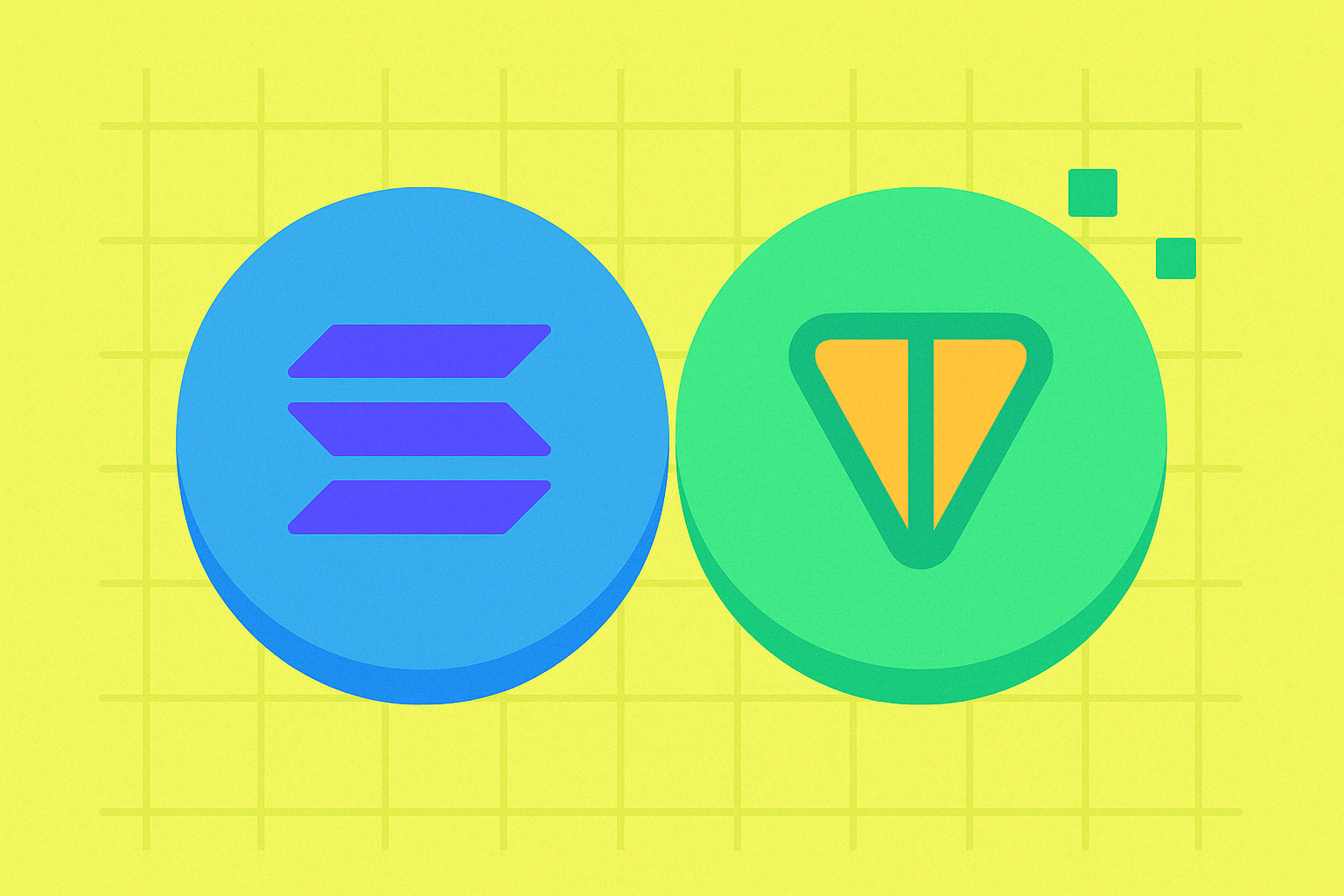
Why did TapSwap change the blockchain? What is TON?
In the rapidly evolving world of cryptocurrency and decentralized finance, strategic decisions regarding blockchain infrastructure can significantly impact a platform's success and user experience. TapSwap, a prominent decentralized exchange platform, made headlines by announcing a major blockchain migration from Solana to TON. This decision has sparked considerable interest within the crypto community. Understanding the rationale behind such strategic moves and the significance of blockchain technologies like TON is essential for anyone engaged in the decentralized finance ecosystem.
TapSwap's Blockchain Change from Solana to TON
TapSwap's decision to migrate from Solana to TON infrastructure represents a pivotal moment in the platform's evolution. After operating on Solana, the decentralized exchange platform announced this significant transition, leaving many users and industry observers curious about the underlying motivations.
The primary driver behind this blockchain migration from Solana to TON was the pursuit of better alignment with the platform's long-term vision. While Solana offered high-speed transactions, TapSwap recognized that TON's unique ecosystem presented compelling advantages. The integration with Telegram's massive user base provided an unprecedented opportunity to reach millions of potential users through a familiar interface. This strategic move positioned TapSwap to tap into an established community already comfortable with digital transactions within the messaging platform.
The transition from Solana to TON offers substantial improvements in terms of accessibility and user onboarding. TON's architecture, designed with seamless integration into Telegram's ecosystem, enables a more intuitive user experience compared to the previous Solana-based system. The new blockchain infrastructure provides enhanced efficiency and robust security features while maintaining the high transaction throughput needed for a thriving decentralized exchange. Furthermore, TON's growing ecosystem with numerous emerging projects and an expanding user base creates network effects that benefit TapSwap through improved liquidity and trading opportunities. The migration from Solana to TON represents not merely a technical upgrade but a strategic positioning for long-term growth and competitiveness in the decentralized exchange market.
Understanding TON
TON, or The Open Network, represents an innovative blockchain platform that has evolved into a thriving ecosystem. Originally conceived as Telegram Open Network and initiated by the popular messaging application Telegram, the project underwent significant transformation. While the original Telegram-led initiative faced regulatory challenges from the United States Securities and Exchange Commission regarding securities compliance, the project's open-source foundation enabled the community to continue its development independently.
Today's TON operates as a community-driven blockchain platform that has successfully realized much of the original vision. The platform delivers high transaction speeds, impressive scalability, and seamless integration capabilities with Telegram's communication network. TON's architecture supports decentralized applications, smart contracts, and various digital services, making it an attractive option for projects seeking to leverage blockchain technology at scale.
The TON blockchain has demonstrated remarkable resilience and growth, establishing itself as a legitimate player in the blockchain space. Its unique positioning within the Telegram ecosystem provides a distinctive advantage, offering developers and platforms like TapSwap access to hundreds of millions of potential users. The technical innovations pioneered by TON, including its multi-blockchain architecture and efficient consensus mechanism, continue to attract projects looking for scalable solutions. The blockchain's focus on user accessibility and mainstream adoption aligns well with the needs of platforms transitioning from other networks like Solana, making it an increasingly popular choice for decentralized applications.
Conclusion
TapSwap's strategic decision to migrate from Solana to TON infrastructure demonstrates the platform's commitment to continuous improvement and adaptation in the dynamic cryptocurrency landscape. By proactively embracing TON's advanced blockchain technology and its integration with Telegram's vast user base, TapSwap is positioning itself for sustainable growth and enhanced user satisfaction. The migration from Solana to TON exemplifies how decentralized finance platforms must remain flexible and responsive to technological advancements and user needs.
The choice to move from Solana to TON reflects a broader trend in the industry where platforms evaluate not just technical performance but also ecosystem advantages and user accessibility. TON's evolution from its original concept to a thriving community-driven blockchain platform demonstrates the resilience and adaptability of decentralized technologies. Together, these developments highlight the ongoing evolution of the blockchain space, where innovation, strategic positioning, and user-centric decision-making drive the industry forward. As the cryptocurrency ecosystem continues to mature, strategic decisions like TapSwap's blockchain migration from Solana to TON will play crucial roles in shaping the future of decentralized finance.
FAQ
Is ton better than Solana?
Solana generally offers better utility than TON. With its mature ecosystem, higher transaction throughput, and established developer community, Solana maintains a stronger position for decentralized applications and DeFi protocols.
Why is TapSwap not listing?
TapSwap needs to stop mining first before listing. The listing was postponed to mid-February 2025. No official announcement was made for an immediate listing date.
What is the future of TapSwap?
TapSwap aims to expand on TON blockchain with enhanced features, increased user adoption, and ecosystem growth. The project is expected to introduce new utilities and partnerships to strengthen its position in the Web3 space.
Why did Solana drop?
Solana experienced price declines due to network outages, technical reliability issues, and broader market downturns in 2022. These factors combined with reduced investor confidence impacted its value.
Share
How to Buy Cryptocurrency


Trending Cryptocurrencies



What is SAROS: Understanding the Solar Eclipse Cycle and Its Astronomical Importance

Umbra and Solana: A New Era of Scalable Privacy in Crypto

Fastest Blockchain
Umbra privacy protocol on Solana

What Are the Biggest Security Risks Facing Solana in 2025?
How Active is TON's Community and Ecosystem in 2025?

Optimizing Automated Crypto Bot Strategies for Enhanced Trading Results
7 Affordable Cryptocurrencies to Consider Buying in 2024
Cheems Coin: Understanding the Popular Meme Coin in Web3
2025 BOB Price Prediction: Expert Analysis and Market Outlook for the Coming Year
2025 PLUME Price Prediction: Expert Analysis and Future Market Outlook for Plume Network Token