Understanding the Core Principles of Decentralized Blockchain Technology

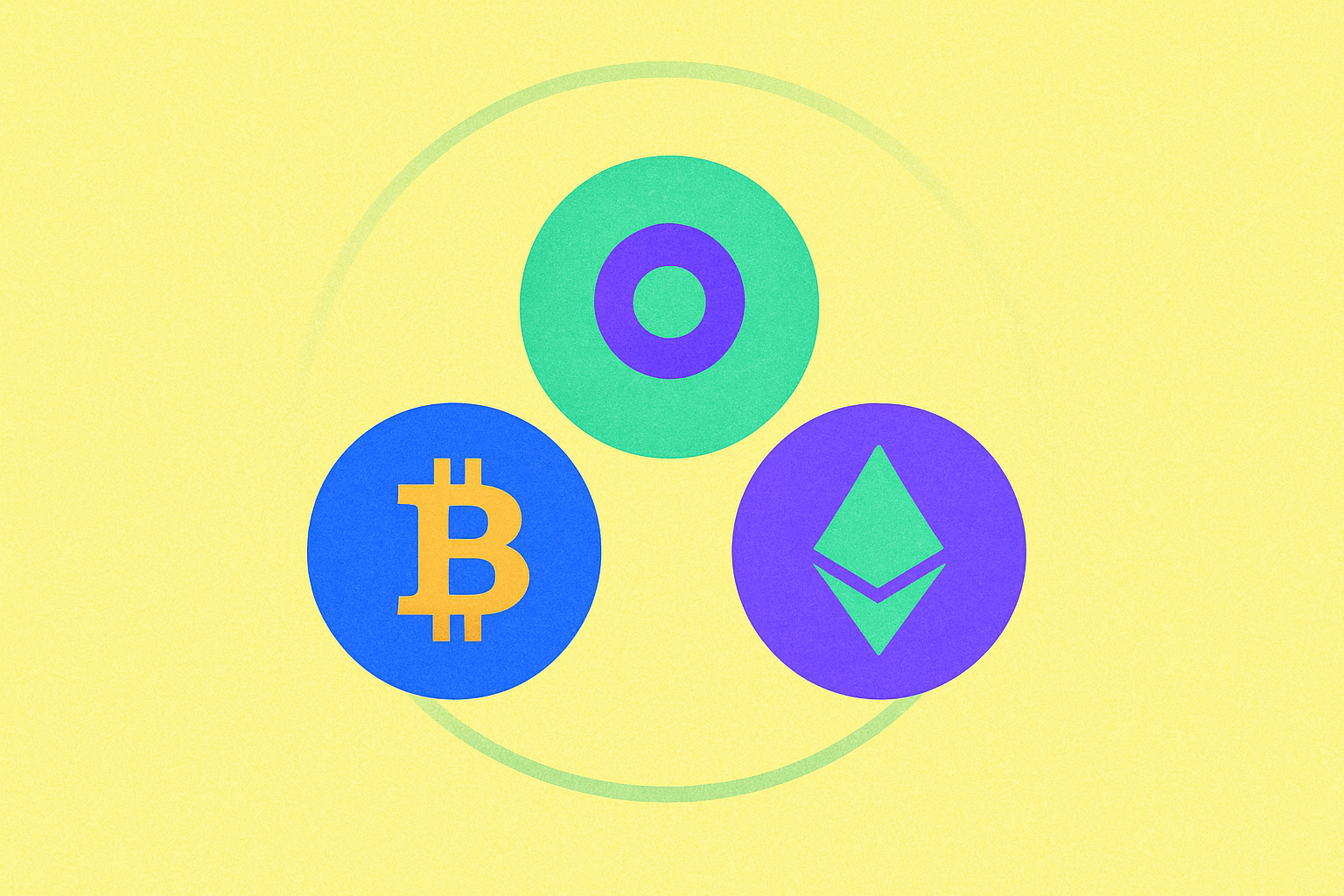
What is Core: EVM compatibility with Bitcoin security
The Core blockchain represents an innovative approach to blockchain technology by combining Bitcoin's renowned security model with Ethereum's versatile smart contract capabilities. This integration creates a robust platform that addresses the scalability challenges of Bitcoin while maintaining its security standards. The project leverages the Satoshi Plus consensus mechanism and supports full compatibility with the Ethereum Virtual Machine (EVM), enabling developers to build and deploy core decentralized technologies with ease.
What is the Core blockchain?
The Core blockchain is a unique blockchain platform that closely aligns with Bitcoin's infrastructure while incorporating Ethereum-compatible smart contract functionality. The fundamental architecture is built upon the Satoshi Plus consensus mechanism, which ingeniously combines Delegated Proof of Work (DPoW) and Delegated Proof of Stake (DPoS) to create a highly secure and decentralized network.
The DPoW component allows Bitcoin miners to participate directly in Core's consensus process by delegating their existing hash power. This means miners can contribute to Core's network security without sacrificing their Bitcoin mining operations, essentially serving dual purposes while earning supplemental rewards in CORE tokens. This approach makes efficient use of Bitcoin's proven energy infrastructure without requiring additional resources.
Simultaneously, the DPoS mechanism empowers CORE token holders to actively participate in network security through validator voting. Token holders can delegate their tokens to trusted validators, who then verify transactions and maintain network integrity. This dual-layer approach ensures both computational security from Bitcoin's hash power and community-driven governance from token holders.
The platform's EVM compatibility represents a significant advantage, allowing developers to seamlessly migrate Ethereum-based applications to Core without extensive modifications. This compatibility opens Core to a diverse ecosystem of core decentralized technologies spanning finance, gaming, and various other sectors, effectively bridging the Bitcoin and Ethereum ecosystems.
How does Core's Satoshi Plus consensus boost security?
The Satoshi Plus consensus model forms the cornerstone of Core's security infrastructure, creating a multi-layered defense system that combines Bitcoin's computational power with community-driven staking mechanisms. This hybrid approach delivers robust protection against various attack vectors while maintaining decentralization.
Through the DPoW mechanism, Core leverages Bitcoin's unparalleled hash power without requiring miners to expend additional energy resources. Bitcoin miners can delegate their existing computational power to the Core network, earning CORE token rewards while continuing their Bitcoin mining operations. This arrangement brings Bitcoin's proven security model to Core, creating a foundation that has withstood years of real-world testing.
The DPoS component broadens security participation beyond miners to include the entire CORE token holder community. Token holders stake their assets and vote for validators, creating a distributed security model that prevents any single entity from gaining disproportionate control. This community-based approach mirrors successful implementations in other blockchain platforms but incorporates the additional security layer of Bitcoin's hash power.
The combination of these two mechanisms creates formidable barriers against common blockchain attacks. A 51% attack becomes exponentially more difficult, as attackers would need to control both significant Bitcoin hash power and substantial amounts of staked CORE tokens. Sybil attacks are naturally deterred by the high costs of acquiring sufficient hash power and tokens. Long-range attacks are prevented through periodic checkpointing, which creates immutable historical reference points that protect against blockchain reorganization attempts.
What are the benefits of Core compared to Bitcoin and Ethereum?
Core blockchain offers distinct advantages over both Bitcoin and Ethereum by addressing their respective limitations while incorporating their strengths. The platform achieves significantly improved scalability compared to Bitcoin's limited transaction throughput and Ethereum's traditional capacity constraints. Through its DPoS implementation, Core can process transactions at much higher throughput without compromising decentralization, making it suitable for high-demand applications such as DeFi protocols and gaming platforms powered by core decentralized technologies.
Interoperability represents another major advantage. Core's EVM compatibility enables seamless interaction with the entire Ethereum ecosystem, allowing Ethereum-based applications to migrate with minimal adjustments. This cross-chain functionality facilitates asset and data transfers between Core, Bitcoin, and Ethereum networks, creating a more interconnected blockchain environment that benefits both developers and users.
The platform maintains unwavering alignment with Bitcoin's security principles through its Satoshi Plus consensus. By utilizing Bitcoin's hash power through DPoW, Core achieves Bitcoin-level security while enabling advanced functionality that Bitcoin alone cannot provide. This approach respects Bitcoin's proven security model while extending its capabilities through core decentralized technologies.
Core also delivers low latency and high throughput, processing transactions more quickly than both Bitcoin and Ethereum. This responsiveness is crucial for applications requiring high user interaction rates, such as decentralized marketplaces and real-time gaming platforms. The architecture supports substantial transaction volumes while maintaining network stability and security.
As a decentralized smart contract platform, Core provides developers with a secure foundation matching Bitcoin's security standards combined with the flexibility and innovation enabled by Ethereum-style smart contracts. This combination creates a unique environment where security and functionality coexist harmoniously.
How does Core support smart contracts and DApps?
Core's support for smart contracts and decentralized applications is built upon its EVM compatibility, which enables developers to leverage existing Ethereum development tools and languages. Developers can use Solidity, the widely-adopted programming language for Ethereum DApps, without learning new languages or frameworks. This compatibility significantly reduces the barrier to entry for developers and facilitates smooth migration of existing Ethereum applications to Core's ecosystem of core decentralized technologies.
The platform's cross-chain compatibility enhances its utility by enabling seamless interaction with other blockchain networks. Through cross-chain bridges, Core connects with both Bitcoin and Ethereum ecosystems, allowing asset transfers and data exchange across these networks. This functionality is particularly valuable for DApps that require liquidity or data from multiple blockchains, enabling them to operate efficiently without intermediaries.
Core implements decentralized governance through CORE token holder voting on protocol changes and improvements. This governance model aligns with blockchain's decentralized ethos and provides a reliable framework for platform evolution and security enhancements. The community-driven approach ensures that network development reflects the needs and priorities of its users.
The Satoshi Plus consensus mechanism provides an enhanced security layer for smart contracts by combining Bitcoin's hash power with DPoS. This dual-security approach makes Core an attractive platform for developers seeking both Ethereum's flexibility and Bitcoin's security principles. Applications built on Core benefit from this robust security foundation while accessing advanced smart contract capabilities through core decentralized technologies.
How does Core's validator system maintain decentralization?
Core's validator system maintains decentralization through a sophisticated election process and balanced scoring mechanism that ensures fair participation and robust security. The system incorporates contributions from Bitcoin miners, CORE token holders, and BTC stakers, creating a hybrid approach that distributes power across multiple stakeholder groups.
The hybrid scoring model determines validator selection for each election round based on combined contributions from DPoW and DPoS mechanisms. Bitcoin miners participate by attaching validator data to mined block transactions, while token holders delegate their stakes to trusted validators. Validators achieving the highest combined scores are selected, ensuring power remains distributed across diverse sources rather than concentrated in any single group.
Validator rewards create economic incentives for honest participation. At the end of each election cycle, validators receive rewards consisting of transaction fees and CORE tokens, distributed according to their contributions. Validators share portions of these rewards with token holders who delegated their stakes, creating a sustainable economic cycle that encourages continued participation and community-driven security through core decentralized technologies.
The platform implements a slashing mechanism to deter malicious behavior and maintain network integrity. Validators who fail to produce blocks as required or engage in malicious actions such as double-signing attacks forfeit portions of their staked CORE tokens. This penalty system serves as a powerful deterrent against dishonest behavior, preserving the network's trustworthiness.
Decentralized participation is achieved by opening validator selection to multiple groups including Bitcoin miners, CORE token holders, and BTC stakers. This distribution prevents any single entity from gaining undue influence over the network, creating a more resilient and truly decentralized validator set that reflects the diverse Core community.
What role does the CORE token play in Core?
The CORE token serves multiple critical functions within the Core blockchain ecosystem, operating as more than just a digital asset. It functions as the lifeblood of network operations and community governance, enabling everything from transaction processing to long-term strategic decision-making within the framework of core decentralized technologies.
As the native token for transaction fees, CORE operates similarly to native tokens on other blockchain platforms. Users pay transaction fees in CORE when sending transactions or interacting with DApps on the network. This fee structure incentivizes validators to maintain high performance in transaction processing while reducing spam transactions by attaching costs to every network action. The system promotes efficiency and helps maintain network quality.
Staking represents a central function of CORE tokens in network security. Token holders can delegate their CORE to validators, participating in the DPoS mechanism that secures the network. This staking process enhances both network security and decentralization while allowing stakers to earn rewards based on validator performance. The system creates mutually beneficial relationships between validators and token holders, encouraging widespread participation in network security.
The token empowers holders to participate in onchain governance through the Core decentralized autonomous organization. Token holders can propose and vote on changes to network parameters, including transaction fee rates and validator selection criteria. This democratic approach allows the community to actively shape Core blockchain's evolution through core decentralized technologies, progressively decentralizing network control as the DAO matures.
CORE follows a deflationary model with a hard cap of 2.1 billion tokens, similar to Bitcoin's scarcity model. This hard cap helps maintain token scarcity and potentially supports value appreciation over time as ecosystem demand grows. Future implementations may include burning portions of transaction fees, further supporting the token's deflationary characteristics and long-term value proposition.
Conclusion
The Core blockchain represents a significant advancement in blockchain technology by successfully merging Bitcoin's battle-tested security with Ethereum's flexible smart contract capabilities. Through its innovative Satoshi Plus consensus mechanism combining DPoW and DPoS, Core achieves robust security while maintaining true decentralization through core decentralized technologies. Bitcoin miners can contribute hash power to earn additional CORE token rewards, while CORE token holders actively participate in network governance and security through staking mechanisms.
The platform's EVM compatibility facilitates seamless migration of Ethereum-based applications, making Core an attractive destination for developers building decentralized applications across various sectors. With its high-throughput architecture, low latency performance, and comprehensive cross-chain capabilities, Core effectively delivers the best attributes of both Bitcoin and Ethereum within a single, unified ecosystem. As the blockchain landscape continues to evolve, Core's unique approach positions it as a compelling platform for developers, miners, and users seeking enhanced functionality without compromising security or decentralization principles through its implementation of core decentralized technologies.
FAQ
What blockchain is core on?
Core is its own independent Layer-1 blockchain, designed to complement Bitcoin with smart contract capabilities and high scalability.
What are the 4 types of Blockchain technology?
The 4 types of Blockchain technology are: 1) Public blockchains, open to everyone. 2) Private blockchains, with restricted access. 3) Hybrid blockchains, combining public and private features. 4) Consortium blockchains, controlled by multiple organizations.
Is CoreDAO a cryptocurrency?
No, CoreDAO is not a cryptocurrency. It's the decentralized organization behind the Core blockchain, which aims to combine Bitcoin's security with Ethereum's scalability.
What does decentralized technology mean?
Decentralized technology distributes control and data across a network, eliminating central authority and promoting equal participation. It enhances security and reduces single points of failure.
Share
Content
What is the Core blockchain?
How does Core's Satoshi Plus consensus boost security?
What are the benefits of Core compared to Bitcoin and Ethereum?
How does Core support smart contracts and DApps?
How does Core's validator system maintain decentralization?
What role does the CORE token play in Core?
Conclusion
FAQ
How to Buy Cryptocurrency


Trending Cryptocurrencies



XZXX: A Comprehensive Guide to the BRC-20 Meme Token in 2025

Bitcoin Fear and Greed Index: Market Sentiment Analysis for 2025

Top Crypto ETFs to Watch in 2025: Navigating the Digital Asset Boom

5 ways to get Bitcoin for free in 2025: Newbie Guide

Bitcoin Market Cap in 2025: Analysis and Trends for Investors
2025 Bitcoin Price Prediction: Trump's Tariffs' Impact on BTC
Dropee Daily Combo December 12, 2025

Tomarket Daily Combo December 12, 2025

Guide to Participating and Claiming SEI Airdrop Rewards

Effective Strategies for Algorithmic Trading in Cryptocurrency

Understanding Bitcoin Valuation with the Stock-to-Flow Model