مع تحرك النظام البيئي لـ Web3 نحو التطور متعدد السلاسل والذكي، تتصاعد بسرعة تعقيدات الحوكمة التي تواجهها منظمات DAO والبروتوكولات العاملة على السلسلة. تعتمد نماذج الحوكمة التقليدية عادةً على المشاركة البشرية - من مناقشة المقترحات والتصويت المجتمعي وصولاً إلى التنفيذ على السلسلة. ورغم أن هذا النهج يتسم باللامركزية، إلا أنه يعاني من قيود واضحة في كفاءة الحوكمة والتحكم بالمخاطر والتنسيق عبر السلسلة.
يفتح الصعود السريع لتقنية وكيل AI آفاقًا جديدة لأتمتة الحوكمة على السلسلة. ويستكشف عدد متزايد من مشاريع Web3 دمج الذكاء الاصطناعي مع منظمات DAO بهدف رفع كفاءة الحوكمة وتبسيط عملية اتخاذ القرارات وتقليل تكاليف التنسيق اليدوي عبر وكلاء AI. وفي هذا السياق، تبرز طبقة حوكمة AI التي أطلقتها Quack AI كبنية تمثيلية في مجال البنية التحتية لحوكمة AI.
ما هي طبقة حوكمة AI؟
طبقة حوكمة AI هي بنية تحتية تجمع بين وكلاء AI وآليات الحوكمة على السلسلة. وهدفها الأساسي هو رفع مستوى أتمتة الحوكمة لمنظمات DAO والمنظمات العاملة على السلسلة.
في نماذج الحوكمة التقليدية، يضطر أعضاء المجتمع إلى تحليل المقترحات يدويًا وتقييم المخاطر وتنفيذ الإجراءات على السلسلة. أما في طبقة حوكمة AI، فتتولى وكلاء AI أجزاء من عملية الحوكمة - مثل إنشاء ملخصات المقترحات وإجراء تحليل المخاطر وتقديم توصيات الحوكمة والتنفيذ الآلي.
طبقة حوكمة AI من Quack AI ليست مجرد أداة واحدة، بل إطار حوكمة شامل يتضمن نظام وكيل AI ووحدة التحكم بالقواعد وطبقة تنفيذ على السلسلة. يساعد هذا الهيكل منظمات DAO على تحسين كفاءة الحوكمة مع الحفاظ على الشفافية واللامركزية.
كيف يعمل ذكاء الحوكمة من Quack AI؟
ذكاء الحوكمة هو مكون أساسي في طبقة حوكمة AI من Quack AI. ويتمثل دوره الرئيسي في مساعدة منظمات DAO على تحليل معلومات الحوكمة وإنشاء محتوى يدعم اتخاذ القرارات.
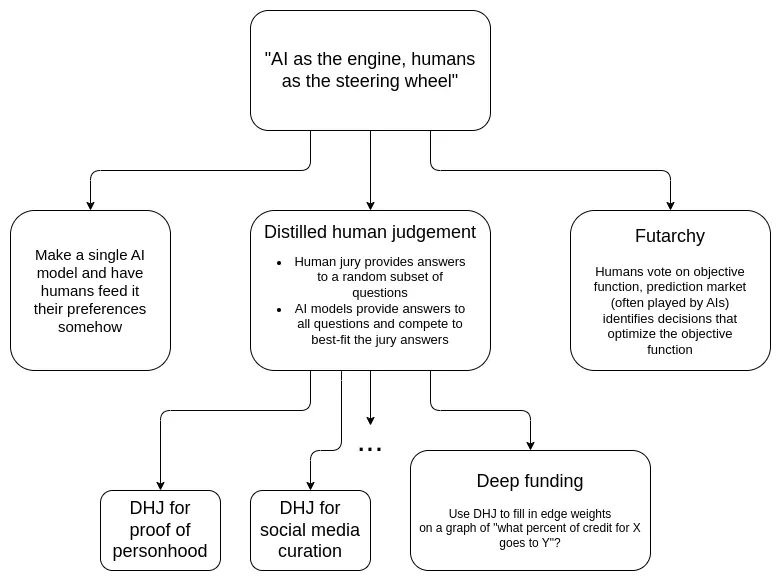 المصدر: فيتاليك بوتيرين
يمكن لوكلاء AI تحليل المقترحات تلقائيًا باستخدام البيانات على السلسلة وسجلات الحوكمة السابقة وملاحظات المجتمع. على سبيل المثال، يمكن لوكيل المقترحات إنشاء ملخص تلقائي للمقترح، مما يتيح للمستخدمين فهم محتوى الحوكمة بسرعة.
وفي الوقت نفسه، يستطيع وكيل المخاطر اكتشاف مخاطر الحوكمة المحتملة مثل إدارة الأموال غير الطبيعية أو تعارض الأذونات أو الثغرات المنطقية في تنفيذ المقترحات. يعزز هذا التحليل الآلي شفافية الحوكمة ويقلل من مخاطر الأخطاء البشرية.
لا يهدف ذكاء الحوكمة إلى استبدال قرارات المجتمع بالكامل، بل إلى مساعدة أعضاء DAO على فهم معلومات الحوكمة بشكل أكثر كفاءة.
ما الدور الذي يلعبه محرك السياسات في حوكمة AI؟
محرك السياسات هو وحدة حاسمة في طبقة حوكمة AI من Quack AI، وهو مصمم للتحكم في سلوك وكلاء AI.
ونظرًا لأن وكلاء AI يمكنهم المشاركة في التنفيذ على السلسلة، فإن وجود نظام قواعد واضح ضروري لتقييد صلاحياتهم. على سبيل المثال، يمكن لمنظمات DAO استخدام محرك السياسات لوضع حدود لتحويل الأموال وقيود زمنية للتنفيذ وشروط تأكيد متعدد التواقيع.
يقلل هذا الإجراء من المخاطر المحتملة للحوكمة الآلية، ويمنع وكلاء AI من تنفيذ عمليات تتجاوز صلاحياتهم دون قيود مناسبة.
يمكن لمحرك السياسات أيضًا تحديد حدود مسؤولية الوكلاء المختلفين. على سبيل المثال، قد يقتصر دور بعض الوكلاء على تحليل المقترحات فقط، بينما يمتلك آخرون صلاحيات تنفيذ على السلسلة.
كيف يشارك وكلاء AI في عملية الحوكمة؟
في بنية حوكمة Quack AI، يمكن لوكلاء AI المشاركة في مراحل متعددة من عملية الحوكمة.
خلال مرحلة المقترحات، يمكن لوكلاء AI المساعدة في إنشاء توصيات الحوكمة وتنظيم المناقشات المجتمعية وإنتاج محتوى ملخص.
في مرحلة تحليل المخاطر، يحدد وكلاء المخاطر تلقائيًا المشكلات المحتملة في المقترحات - مثل شذوذ الأذونات أو مخاطر إدارة الأموال أو الثغرات المنطقية.
خلال مرحلة التنفيذ، يمكن لوكلاء التنفيذ استدعاء العقود الذكية تلقائيًا بناءً على قواعد DAO المحددة مسبقًا. على سبيل المثال، بمجرد أن يصوت المجتمع لصالح مقترح يتعلق بالخزانة، يمكن لوكيل AI إكمال تخصيص الأموال والتنفيذ على السلسلة بشكل مستقل.
يقلل هذا النموذج من الخطوات اليدوية ويحسن كفاءة تنفيذ الحوكمة.
كيف تحقق Quack AI الحوكمة الآلية؟
تعتمد الحوكمة الآلية من Quack AI على التآزر بين وكلاء AI ومحرك السياسات وإطار التنفيذ على السلسلة.
في عملية الحوكمة، يتولى وكلاء AI التحليل والتنفيذ، بينما يفرض محرك السياسات قيود الصلاحيات والتحقق من القواعد. فقط العمليات التي تستوفي الشروط المحددة مسبقًا يمكنها المتابعة إلى التنفيذ.
بالإضافة إلى ذلك، تدعم Quack AI التنسيق عبر السلسلة في الحوكمة، مما يسمح لوكلاء AI بمزامنة إجراءات الحوكمة عبر بلوكشينات متعددة. على سبيل المثال، بعد أن تكمل DAO التصويت على السلسلة الرئيسية، يمكن لوكيل AI تحديث المعلمات أو تنسيق الأموال تلقائيًا على سلاسل أخرى.
يساعد نموذج الحوكمة الآلي هذا في تقليل الاحتكاك في الأنظمة البيئية متعددة السلاسل.
كيف تختلف طبقة حوكمة AI عن أدوات DAO التقليدية؟
تركز أدوات DAO التقليدية عادةً على التصويت وإدارة المجتمع، بينما تؤكد طبقة حوكمة AI على مشاركة وكلاء AI والتنفيذ الآلي.
في النموذج التقليدي، يجب تنفيذ معظم مهام الحوكمة يدويًا - بما في ذلك مراجعة المقترحات وتقييم المخاطر والتنفيذ على السلسلة. في المقابل، يمكن لطبقة حوكمة AI أتمتة جزء من التحليل والتنفيذ عبر وكلاء AI.
الفرق الأساسي يكمن في درجة ذكاء الحوكمة.
| البعد |
أدوات DAO التقليدية |
طبقة حوكمة AI |
| تحليل المقترحات |
قراءة يدوية |
تحليل تلقائي بواسطة AI |
| تحديد المخاطر |
مراجعة يدوية |
وكيل مخاطر AI |
| طريقة التنفيذ |
يدوي |
آلي |
| الحوكمة عبر السلسلة |
دعم محدود |
تآزر أصيل |
ما التحديات التي تواجه طبقة حوكمة AI؟
على الرغم من أن حوكمة AI تُعتبر على نطاق واسع اتجاهًا رئيسيًا لحوكمة Web3، إلا أنها لا تزال تواجه عدة تحديات.
أولاً، تتطلب موثوقية وكلاء AI تحققًا طويل الأمد. فإذا كان نموذج AI متحيزًا، فقد يؤثر سلبًا على تحليل الحوكمة ومنطق التنفيذ.
ثانيًا، يجب أن توازن الحوكمة الآلية بين الكفاءة واللامركزية. فالاعتماد المفرط على AI قد يقلل من مشاركة المجتمع في الحوكمة.
علاوة على ذلك، لا تزال قضايا تناسق التنفيذ والتحقق الأمني وإدارة الصلاحيات في البيئات متعددة السلاسل تمثل مجالات تحتاج طبقة حوكمة AI إلى تحسينها.
ملخص
طبقة حوكمة AI من Quack AI هي بنية تحتية لحوكمة Web3 تدمج وكلاء AI ومحرك سياسات وآليات تنفيذ آلية. وهي مصممة لتعزيز كفاءة الحوكمة والتعاون في منظمات DAO والأنظمة البيئية متعددة السلاسل.
مع استمرار نمو اقتصاد الوكيل والنظام البيئي لـ AI Crypto، يلعب وكلاء AI دورًا متزايد النشاط في البيئات العاملة على السلسلة. من خلال ذكاء الحوكمة والتحكم بالقواعد وأطر التنفيذ الآلية، توفر Quack AI نموذج حوكمة أكثر ذكاءً لـ Web3.
الأسئلة الشائعة
ما الفرق بين حوكمة AI وحوكمة DAO التقليدية؟
تركز حوكمة AI على وكلاء AI والتحليل الآلي والتنفيذ الآلي، بينما تعتمد حوكمة DAO التقليدية بشكل أساسي على العمليات اليدوية.
ما دور محرك السياسات؟
يقيد محرك السياسات نطاق صلاحيات وكلاء AI ويضمن امتثال عمليات الحوكمة الآلية للقواعد المحددة مسبقًا.
هل يمكن لوكلاء AI تنفيذ العمليات على السلسلة تلقائيًا؟
في ظل القواعد المحددة مسبقًا وضوابط الصلاحيات، يمكن لوكلاء AI تنفيذ بعض عمليات الحوكمة والتنسيق على السلسلة تلقائيًا.
ما الوظائف التي يقدمها ذكاء الحوكمة؟
يدعم ذكاء الحوكمة تحليل المقترحات وتحديد المخاطر وإنشاء ملخصات الحوكمة وتنظيم معلومات المجتمع.
هل تدعم Quack AI الحوكمة عبر السلسلة؟
نعم، تدعم Quack AI التنسيق متعدد السلاسل في الحوكمة، مما يتيح مزامنة الحوكمة والتنفيذ الآلي عبر بلوكشينات مختلفة.