Users searching for Ronin Network application scenarios typically aim to understand how this blockchain supports gaming projects, player accounts, NFT marketplaces, and on-chain economic systems. In blockchain gaming ecosystems, the blockchain serves not only as an asset issuance tool but also as a platform for trade confirmation, payment settlement, and user asset management.
This topic often covers multiple aspects, including on-chain gaming assets, NFT trading, payment systems, developer tools, and ecosystem competition. Understanding these scenarios helps clarify Ronin’s specific role in Web3 gaming infrastructure.
What Are the Core Application Scenarios of Ronin Network
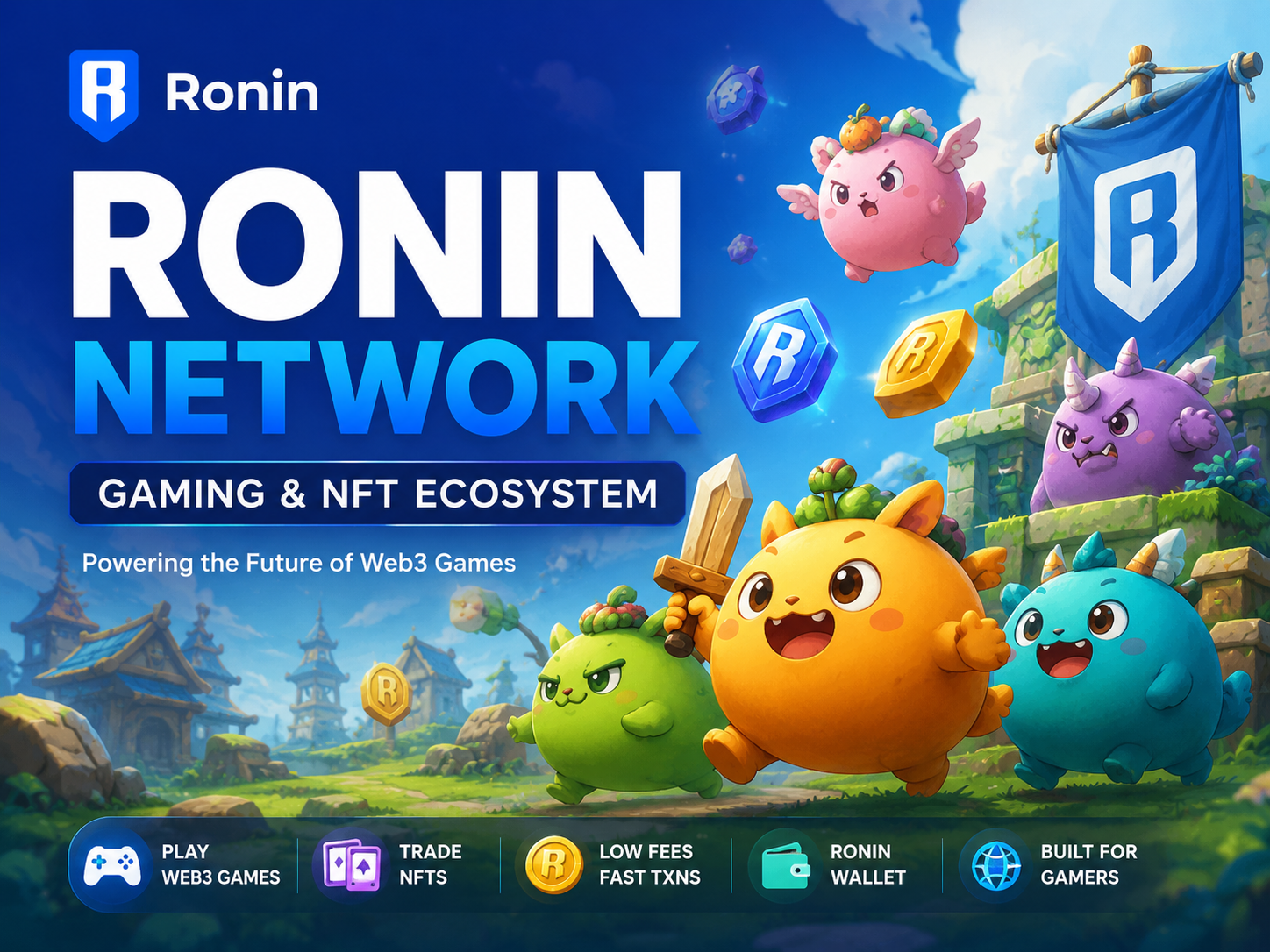
Structurally, Ronin Network is centered on gaming assets and player interactions. It is a blockchain network tailored for blockchain gaming, focusing on NFTs, game tokens, player accounts, and on-chain trades.
First, users acquire or purchase digital assets in the game. These assets can then be transferred, traded, or managed via the Ronin network. The system confirms ownership through on-chain records, enabling players to use, sell, or hold assets within the gaming ecosystem.
Ronin’s core mission is not to cover all blockchain scenarios, but to optimize high-frequency interactions in Web3 games. Blockchain gaming users frequently execute trades, claim rewards, transfer NFTs, or make in-game payments—making low costs and fast confirmations essential.
This mechanism extends blockchain’s role from simple asset issuance to operating the game’s economic system. For players, it serves as the gateway for asset management and trading; for developers, it provides the foundational environment for in-game economic cycles.
How Ronin Supports Blockchain Gaming Asset Trading
Asset trading in blockchain games is one of Ronin Network’s most critical use cases. Blockchain gaming asset trading refers to the on-chain transfer, purchase, sale, and confirmation of assets like characters, items, land, equipment, or tokens.
Players hold NFTs or token assets in the game, then initiate transfers via Ronin Wallet or ecosystem trading platforms. The Ronin network verifies the trade and updates asset ownership, with the final ownership recorded on-chain, allowing continued use or further trading.
Ronin enables high-frequency asset circulation in a low-cost on-chain environment. Unlike typical collectibles, gaming assets are frequently used, upgraded, traded, or combined. Relying on expensive main chains for each operation would significantly impact user experience.
Ronin’s advantage is handling gaming asset trades on a network optimized for high-frequency interactions, reducing player costs and supporting continuous economic activity in games.
| Application Stage |
User Action |
System Action |
Ronin’s Role |
| Asset Acquisition |
Acquire game NFT or token |
Record asset ownership |
Provide on-chain confirmation |
| Asset Transfer |
Send asset to another account |
Verify trade status |
Enable low-cost transfers |
| Asset Trading |
Buy/sell game items or characters |
Update ownership record |
Facilitate NFT circulation |
| Game Usage |
Use asset in game |
Read on-chain data |
Connect game with account |
This structure shows Ronin supports the entire lifecycle of blockchain gaming assets—from acquisition and usage to trading.
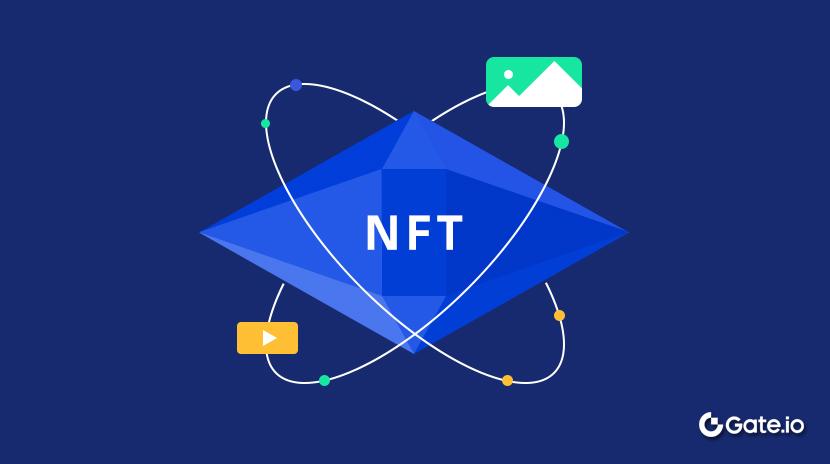
Ronin’s Role in the NFT Marketplace
Ronin’s impact on the NFT marketplace is seen in asset confirmation and trade circulation. Unlike art or avatar NFTs, blockchain gaming NFTs typically have in-game utility, representing characters, equipment, land, items, or other usable assets.
The key is that Ronin transforms NFTs from mere database entries into independently managed on-chain assets. Players hold NFTs in their wallets, while game systems can read these assets and assign corresponding functions.
Game projects issue NFT assets, which players acquire through games or marketplaces. NFTs can be traded or transferred within the Ronin ecosystem, and on-chain records provide reliable ownership verification.
This mechanism gives gaming assets a clear circulation path in the NFT marketplace. Players can not only use in-game items but also view, manage, and trade assets on-chain.
Ronin’s NFT applications are concentrated in blockchain gaming, not all NFT types. Its strength is supporting high-frequency in-game trades and asset management; its limitation is a focused ecosystem.
How Ronin Supports In-Game Payments and Economic Systems
In-game payments are another key use case for Ronin Network. For blockchain gaming projects, payment systems cover not only token transfers but also reward distribution, asset purchases, fee settlement, and player-to-player economic interactions.
Game economic systems relying on on-chain payments must address cost, speed, and account experience. Ronin provides the foundation for in-game payments through its native token RON, wallet system, and on-chain transaction mechanism.
Players hold assets in the game or wallet, initiate purchases, transfers, or settlements, and the Ronin network processes the transactions. Game accounts and on-chain asset statuses are then synchronized.
This structure allows the game economy to revolve around on-chain assets. Players can pay with tokens or exchange assets via NFTs. For developers, on-chain payments make the economy more transparent and reduce reliance on centralized account systems.
Ronin’s payment scenarios serve not just single transactions but the entire game economic cycle—rewards, consumption, trading, and asset management together form the internal structure of blockchain games.
Why Developers Choose Ronin for Blockchain Gaming Projects
Developers choose Ronin because it offers an on-chain environment optimized for gaming. Blockchain gaming development requires not only Smart Contract deployment but also managing player onboarding, asset trading, wallet integration, and payment settlement.
Ronin’s advantage is consolidating these core capabilities within the gaming ecosystem. Developers can design game economies around Ronin’s network, wallet, NFT trading, and token systems, without building everything from scratch.
Developers design game assets and economic systems, deploy NFTs, tokens, or trading logic on Ronin, and players interact via wallets. The on-chain system handles asset confirmation and trade settlement.
This mechanism reduces the complexity of integrating blockchain infrastructure for gaming projects. For games emphasizing high-frequency asset interactions, low-cost trades, wallet access, and a robust ecosystem are highly valuable.
Ronin is best suited for projects with a clear gaming focus. Applications needing complex DeFi portfolios, multi-chain liquidity, or broader infrastructure may find other public chains or modular solutions more appropriate.
What Infrastructure Has the Ronin Ecosystem Established
Ronin’s ecosystem infrastructure centers on player accounts, asset trading, network fees, and game applications. It is a suite of modules supporting blockchain gaming operations, not just a single blockchain network.
Ronin’s infrastructure includes wallets, native tokens, validator nodes, NFT trading platforms, cross-chain connectivity, and game application integration. Each module supports user onboarding, asset management, trade execution, and network security.
Users manage accounts and assets via Ronin Wallet, game applications read NFTs or tokens from wallets, and validator nodes process on-chain trades. RON serves as Gas and ecosystem token for fee settlement and network incentives.
This infrastructure enables Ronin to support the full blockchain gaming interaction process. Players are not limited to internal game accounts, and developers can build open game economies around on-chain assets.
The more complete the infrastructure, the easier it is for projects to operate sustainably. Ronin’s focus is integrating wallet, trading, NFT, and payment capabilities into gaming scenarios.
Ronin’s Competition in the Web3 Gaming Sector
Ronin faces competition in Web3 gaming from other blockchain gaming infrastructure, general-purpose public chains, and modular gaming platforms. Each network supports blockchain games differently, so competition is driven by technical approaches and ecosystem positioning.
Ronin is a dedicated gaming network, emphasizing low-cost trades, asset circulation, and internal economic cycles. Immutable focuses on developer platforms and NFT trading infrastructure, Polygon emphasizes multi-application expansion, and Ethereum offers a robust general-purpose ecosystem.
Blockchain gaming projects assess asset trading costs, compare wallet experience, onboarding thresholds, and developer tools, and select the network best suited to their game economy. Different infrastructures compete for project integration, user activity, and asset liquidity.
Ronin’s strength is its clear gaming focus and suitability for building closed-loop gaming assets. Its challenge is maintaining ecosystem activity—if too concentrated, network usage can be affected by the performance of a few games.
Summary
Ronin Network’s application scenarios are centered on blockchain gaming asset trading, NFT marketplaces, in-game payments, developer integration, and Web3 gaming infrastructure. Its core value is delivering a low-cost, high-frequency on-chain environment for gaming assets.
Players access the Ronin ecosystem via wallets, game assets are confirmed and traded on-chain, and the system operates through network validation and token mechanisms. Ronin is ideal for building game economies based on NFTs, tokens, and player accounts.
FAQ
What Is Ronin Network Mainly Used For
Ronin Network primarily supports Web3 gaming, NFT trading, game asset management, and on-chain payments. Its focus is on the blockchain gaming ecosystem, not general-purpose blockchain applications.
Can Ronin Be Used for NFT Trading
Ronin supports NFT trading, particularly for gaming assets such as characters, equipment, land, and items. Its low-cost trading environment enhances NFT circulation efficiency.
How Does Ronin Help Blockchain Gaming Projects
Ronin provides wallet, trading, asset confirmation, and payment settlement infrastructure for blockchain gaming projects, enabling developers to design game economies around on-chain assets.
How Are Ronin’s Application Scenarios Different from General-Purpose Public Chains
Ronin is focused on blockchain gaming and NFT asset circulation, while general-purpose public chains typically cover DeFi, Stablecoins, infrastructure, and diverse applications. The ecosystem positioning is distinct.
Is Ronin Suitable for All Web3 Games
Ronin is best suited for games requiring high-frequency asset trading, NFT circulation, and on-chain payments. Projects needing complex financial features or multi-chain ecosystems may need to consider other infrastructure options.