What Is the Network Layer?
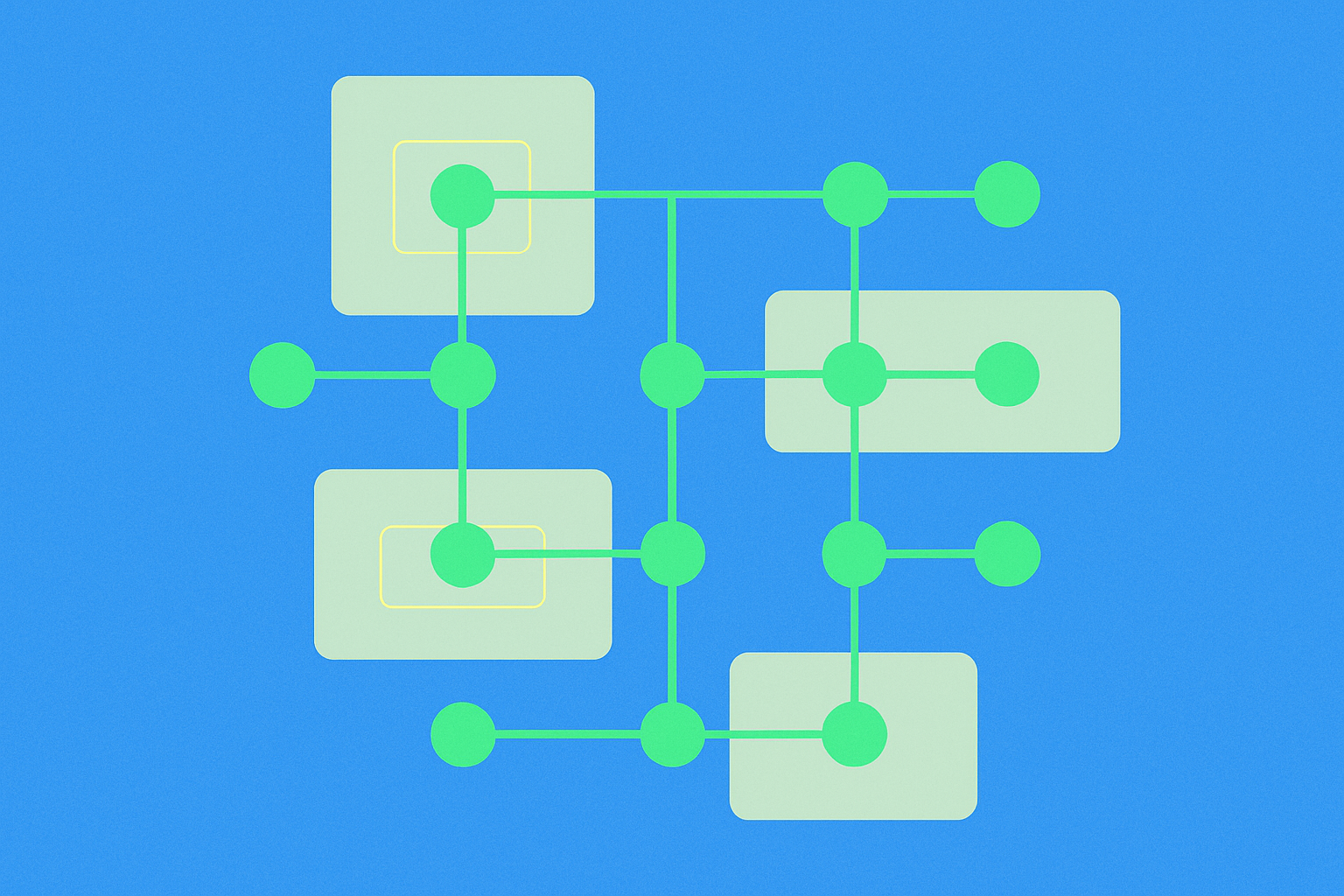
The network layer is a fundamental layer responsible for cross-network addressing and packet forwarding, ensuring that devices not located within the same local area network (LAN) can still communicate with each other. Think of it as a global map of roadways, where data acts as parcels traveling along predetermined routes to reach their designated addresses.
Within the common layered architecture of the internet, the network layer uses “IP addresses” to identify device locations and “routing” to determine forwarding paths. For upper-layer applications, it provides the essential capability of reachability; for lower-layer links, it stitches different networks together into a unified whole.
How Does the Network Layer Relate to Web3?
The network layer forms the foundation of communication in Web3. Blockchain nodes rely on it to synchronize blocks, wallets use it to submit transactions to nodes, and browsers leverage it to access backend interfaces of dApps—all requiring the network layer for reachability and packet forwarding.
For example, when you send a transaction from your wallet, the wallet transmits the transaction to a specific node; that node then propagates the transaction to other nodes. Although this process appears as an “application call,” it fundamentally depends on the network layer to deliver data packets to the appropriate IP addresses and forward them across different networks.
How Does the Network Layer Use IP Addresses and Routing to Deliver Data?
The network layer utilizes “IP addresses” and “routing” to perform addressing and delivery functions. An IP address is akin to a street address, pinpointing the location of a device; routing functions like a courier’s transfer route, where multiple “routers” work together to relay packets step by step toward nodes closer to the destination.
In practice, home networks often employ “private addresses” and use “NAT” (Network Address Translation) to allow multiple devices to share a single public-facing address. NAT acts like a security gate for a residential complex: outsiders see just one public address, while inside, there are multiple households. This setup conserves addresses but makes it more challenging for external parties to initiate connections to internal devices—an important consideration for running public blockchain nodes.
How Does the Network Layer Operate in Blockchain Node Connections?
In blockchain systems, nodes typically form a “peer-to-peer network,” which can be likened to neighbors directly passing messages without relying on a central server. Nodes must first “discover peers,” establish connections, and then propagate blocks and transactions in a gossip-like fashion.
Peer discovery can leverage “bootstrap nodes” or use distributed address books to remember which peers are online. Once connections are established, nodes maintain several peer-to-peer links using the network layer’s reachability features. If your home router uses NAT, you may need to enable UPnP or configure port forwarding so other nodes can connect inbound, thus achieving more stable synchronization and packet forwarding.
How Do IPv6, NAT, and VPN Affect the Network Layer?
IPv6 offers a vastly larger address space, akin to assigning each household its own unique address, making direct access much easier. This benefits full nodes that need to accept incoming connections and reduces obstacles caused by NAT. While NAT helps conceal internal network structures and adds some privacy, it can limit external reachability.
A VPN creates an “encrypted tunnel” over public networks, helping bypass certain restrictions and improving cross-border connection stability, though it may introduce additional latency. Anonymous networks like Tor can further hide your source address but typically reduce connection speeds. The choice among these options depends on your priorities—reachability, speed, or privacy.
How Does the Network Layer Impact Transaction Broadcasting and RPC Access?
“RPC” (Remote Procedure Call) can be thought of as sending commands remotely: wallets or dApps send instructions to nodes, which execute them and return results. While RPC typically travels over higher-level protocols such as HTTPS, it still fundamentally relies on the network layer to deliver data packets to node IP addresses.
If the network layer is unstable (with packet loss or high latency), transaction broadcasts become slow and block queries may time out. For example, when depositing funds on Gate, your wallet first submits the transaction on-chain; if your local network layer is unreliable, nodes might receive and propagate your transaction more slowly, delaying confirmation. To reduce single points of failure for critical operations, maintain multiple available RPC addresses or run a light node locally.
What Security and Privacy Risks Does the Network Layer Pose?
An unstable or compromised network layer can jeopardize both asset and data security. If you access a hijacked domain name or fall victim to a man-in-the-middle attack, requests could be redirected to malicious node endpoints, tricking you into signing fraudulent transactions. When using HTTPS, always verify certificate validity and avoid ignoring browser warnings.
In peer-to-peer connections, exposing your home IP address carries privacy risks—attackers may analyze your online activity and blockchain interactions based on this information. Having only a small number of peer connections from single sources could also allow malicious nodes to “surround” you, skewing your view of the network. Mitigate these risks by increasing your number of connections, verifying information from multiple sources, using VPNs or Tor when appropriate, and conducting critical operations on trusted networks.
How Can Network Layer Issues Be Troubleshot?
- Check Local Connectivity: Ensure your Wi‑Fi or wired connection is functioning properly; restart your router if needed; verify your device has internet access.
- Verify Domain Name Resolution: Switch to commonly used public DNS services or test connectivity directly with a node’s IP address to rule out DNS hijacking or resolution issues.
- Test RPC Availability: Try switching to an alternate RPC endpoint; for self-hosted nodes, check service logs and ensure ports are listening.
- Monitor Latency and Packet Loss: Retry during off-peak hours or change your network exit point; use a VPN if necessary to improve cross-network path quality.
- Inspect NAT and Port Forwarding: If running a full node that needs external accessibility, enable UPnP or configure port forwarding; if issues persist, consider switching to an IPv6 environment or deploying in the cloud.
- Minimize Trust Boundaries: Perform critical actions on trusted networks; avoid large transaction signatures over public Wi‑Fi or sending transactions via unverified RPC endpoints.
What Do Future Trends in the Network Layer Mean for Web3?
The network layer is evolving toward greater reachability and improved data transmission. The ongoing adoption of IPv6 reduces address shortages and NAT-related barriers; modern transport protocols based on UDP and protocols like HTTP/3 are gaining traction, enhancing stability in high-latency cross-network environments. For Web3, this means full nodes will connect more easily, light clients will operate more smoothly on mobile networks, and cross-regional transaction broadcasting will be faster and more reliable.
At the same time, growing demands for privacy and censorship resistance are driving innovations in private relays, anonymous networks, and decentralized networking infrastructure. Staying ahead of these trends—and choosing appropriate connectivity methods and security strategies—can help protect both privacy and reliability while ensuring optimal network layer support for your transactions and applications.
FAQ
What Role Does the Network Layer Play Between My Wallet and the Blockchain?
The network layer serves as the communication channel between your device and the blockchain network. When you send a transaction using your wallet, the network layer is responsible for transmitting that transaction data from your computer to a blockchain node and relaying back the confirmation result. Simply put: without the network layer—like without a mail carrier—your transactions cannot reach the blockchain.
Why Are Transactions Sometimes Slow or Unable to Connect to the Blockchain?
This is usually due to issues with the network layer. Causes could include unstable internet connectivity, ISP throttling, overloaded node servers, or malfunctioning RPC endpoints. We recommend first checking your network connection, switching to alternative RPC providers (such as Gate’s API nodes), or retrying during less congested periods.
What Is RPC? How Does It Relate to the Network Layer?
RPC stands for “Remote Procedure Call”—it is the protocol through which your wallet communicates with blockchain nodes. The network layer transmits your RPC requests (such as checking balances or sending transactions) to nodes. Your wallet must connect to an RPC endpoint (such as an Ethereum node) in order to interact with the blockchain via the network layer.
Are There Risks in Using VPNs or Proxies to Access Blockchains?
There are certain risks involved. While VPNs can hide your real IP address, an untrustworthy VPN provider could leak your private key or transaction data. It is advisable to use reputable VPN services—and above all else—ensure that your private key only resides on your local device. For large transactions, perform operations within a secure local network environment.
Can I Run My Own Network Layer Node?
Yes. Running a full node (such as an Ethereum node) means operating your own node at the network layer level. This allows you to broadcast transactions without relying on third-party RPC services and enhances privacy. However, it requires significant storage space and bandwidth. For most users, utilizing RPC nodes provided by trusted providers such as Gate is more convenient.