

Trade
Basic
Futures
Futures
Hundreds of contracts settled in USDT or BTC
Options
HOT
Trade European-style vanilla options
Unified Account
Maximize your capital efficiency
Demo Trading
Futures Kickoff
Get prepared for your futures trading
Futures Events
Participate in events to win generous rewards
Demo Trading
Use virtual funds to experience risk-free trading
Earn
Launch
CandyDrop
Collect candies to earn airdrops
Launchpool
Quick staking, earn potential new tokens
HODLer Airdrop
Hold GT and get massive airdrops for free
Launchpad
Be early to the next big token project
Alpha Points
NEW
Trade on-chain assets and enjoy airdrop rewards!
Futures Points
NEW
Earn futures points and claim airdrop rewards
Investment
Simple Earn
Earn interests with idle tokens
Auto-Invest
Auto-invest on a regular basis
Dual Investment
Buy low and sell high to take profits from price fluctuations
Soft Staking
Earn rewards with flexible staking
Crypto Loan
0 Fees
Pledge one crypto to borrow another
Lending Center
One-stop lending hub
VIP Wealth Hub
Customized wealth management empowers your assets growth
Private Wealth Management
Customized asset management to grow your digital assets
Quant Fund
Top asset management team helps you profit without hassle
Staking
Stake cryptos to earn in PoS products
Smart Leverage
NEW
No forced liquidation before maturity, worry-free leveraged gains
GUSD Minting
Use USDT/USDC to mint GUSD for treasury-level yields

More


Trending Topics
View More13.43K Popularity
33.5K Popularity
14.29K Popularity
4.98K Popularity
2.36K Popularity
Hot Gate Fun
View More- MC:$3.62KHolders:20.04%
- MC:$3.61KHolders:20.04%
- MC:$3.55KHolders:10.00%
- MC:$3.95KHolders:31.77%
- MC:$3.55KHolders:10.00%




Pin
Gate Square New & Returning Creator Rewards are ongoing!
Your ideas may be more valuable than you think!
Make your first post or come back post to share a $20,000 monthly prize pool!
Post with #MyFirstPostOnSquare to receive a $50 Position Voucher each
Monthly Top Posters and Top Engagers will each earn an extra $50 reward
Your crypto insights could inspire many—start creating today!
👉 https://www.gate.com/postGate Square “Creator Certification Incentive Program” — Recruiting Outstanding Creators!
Join now, share quality content, and compete for over $10,000 in monthly rewards.
How to Apply:
1️⃣ Open the App → Tap [Square] at the bottom → Click your [avatar] in the top right.
2️⃣ Tap [Get Certified], submit your application, and wait for approval.
Apply Now: https://www.gate.com/questionnaire/7159
Token rewards, exclusive Gate merch, and traffic exposure await you!
Details: https://www.gate.com/announcements/article/47889Gate 2025 Year-End Gala Square TOP50 List Announced!
The final ranking phase is now live.
Earn Votes by watching live streams and posting.
30 Votes = 1 chance — support your favorite creators now!
👉 https://www.gate.com/activities/community-vote-2025
iPhone 17 Pro Max, JD gift cards, Mi Band, Gate merch await you!
Creators are welcome to rally fans to climb the rankings and win rewards!
Voting ends: Jan 20, 02:00 UTC
Details: https://www.gate.com/announcements/article/48693
Casascius Wallet Awakening: The Movement of $180 Million in Sleepy Bitcoin
When the First Physical Bitcoins Wake Up
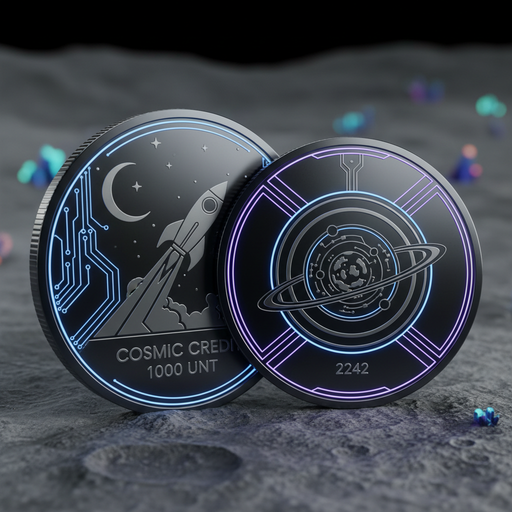
A recent event surprised the crypto community: two Casascius coin wallets, dormant for over ten years, came back to life. Each contained 1,000 BTC, totaling 2,000 BTC valued at around $180 million. This event not only highlights the historical significance of these tangible assets but also demonstrates the sophistication of storage strategies that have evolved over time. Considering the meaning of this movement is essential to understanding Bitcoin’s journey since its early days.
The Casascius Bitcoins: Bridge Between Physical and Digital
Mike Caldwell created Casascius coins between 2011 and 2013, designing them as an innovative offline storage method for Bitcoin. They were metal coins coated with security holograms, each encrypting a unique private key and a specific Bitcoin denomination.
Primitive but Effective Security Architecture
The protection system implemented was notably secure for its time:
The Regulatory Barrier That Halted Production
In 2013, FinCEN (Financial Crimes Enforcement Network) classified the production of Casascius coins as unregistered money transmission, forcing an immediate discontinuation. This decision turned the remaining coins into rare artifacts highly valued by collectors.
Scarcity and Historical Value
Approximately 90,000 Casascius coins were minted in total, but only a minimal fraction contained high denominations like 1,000 BTC. Today, these coins transcend their intrinsic Bitcoin value, serving as historical milestones recording a transformative period in cryptocurrencies.
The Awakening: How Transfers Were Detected
Blockchain monitoring platforms such as Whale Alert, btcparser.com, and casasciustracker.com identified the activation of the wallets. The owners transferred the funds into modern formats:
Exponential Value Transformation
Bitcoin acquired over a decade ago experienced extraordinary appreciation. One of the wallets saw an increase of over 724,000%, illustrating the meteoric growth of the asset during this period. To put it into perspective, BTC was recently trading around $95.89K, reaffirming its role as a significant asset in the modern market.
Motivations Behind the Transfers
The exact reasons remain unknown, but analyses suggest plausible hypotheses:
It’s important to note that these movements do not signal an intention to sell but rather a transfer to more secure contemporary storage.
Lessons on Long-Term Custody
This episode sheds light on critical aspects of the crypto ecosystem:
Pioneers’ Resilience: Early adopters demonstrated extraordinary patience, maintaining significant exposure despite severe market volatility in the early days.
Technological Evolution: The shift from physical hardware to digital infrastructure reflects maturation in storage solutions, with protocols like SegWit offering superior efficiency.
Cultural Heritage: Casascius coins serve as a bridge between Bitcoin’s primitive era and its current institutional acceptance, acting as tangible witnesses to the currency’s journey.
Final Reflection
The awakening of Casascius wallets documents a unique chapter in Bitcoin’s narrative. These coins are not just historical curiosities but underscore the critical importance of resilient, long-term storage strategies. As the crypto ecosystem matures, the story of these physical assets remains a powerful reminder of the path traveled—and the infinite possibilities still ahead.