

Trade
Basic
Futures
Futures
Hundreds of contracts settled in USDT or BTC
Options
HOT
Trade European-style vanilla options
Unified Account
Maximize your capital efficiency
Demo Trading
Futures Kickoff
Get prepared for your futures trading
Futures Events
Participate in events to win generous rewards
Demo Trading
Use virtual funds to experience risk-free trading
Earn
Launch
CandyDrop
Collect candies to earn airdrops
Launchpool
Quick staking, earn potential new tokens
HODLer Airdrop
Hold GT and get massive airdrops for free
Launchpad
Be early to the next big token project
Alpha Points
NEW
Trade on-chain assets and enjoy airdrop rewards!
Futures Points
NEW
Earn futures points and claim airdrop rewards
Investment
Simple Earn
Earn interests with idle tokens
Auto-Invest
Auto-invest on a regular basis
Dual Investment
Buy low and sell high to take profits from price fluctuations
Soft Staking
Earn rewards with flexible staking
Crypto Loan
0 Fees
Pledge one crypto to borrow another
Lending Center
One-stop lending hub
VIP Wealth Hub
Customized wealth management empowers your assets growth
Private Wealth Management
Customized asset management to grow your digital assets
Quant Fund
Top asset management team helps you profit without hassle
Staking
Stake cryptos to earn in PoS products
Smart Leverage
NEW
No forced liquidation before maturity, worry-free leveraged gains
GUSD Minting
Use USDT/USDC to mint GUSD for treasury-level yields

More


Trending Topics
View More23.53K Popularity
32.91K Popularity
18.11K Popularity
1.87K Popularity
1.44K Popularity




Pin
Gate Square New & Returning Creator Rewards are ongoing!
Your ideas may be more valuable than you think!
Make your first post or come back post to share a $20,000 monthly prize pool!
Post with #MyFirstPostOnSquare to receive a $50 Position Voucher each
Monthly Top Posters and Top Engagers will each earn an extra $50 reward
Your crypto insights could inspire many—start creating today!
👉 https://www.gate.com/postGate Square “Creator Certification Incentive Program” — Recruiting Outstanding Creators!
Join now, share quality content, and compete for over $10,000 in monthly rewards.
How to Apply:
1️⃣ Open the App → Tap [Square] at the bottom → Click your [avatar] in the top right.
2️⃣ Tap [Get Certified], submit your application, and wait for approval.
Apply Now: https://www.gate.com/questionnaire/7159
Token rewards, exclusive Gate merch, and traffic exposure await you!
Details: https://www.gate.com/announcements/article/47889Gate 2025 Year-End Gala Square TOP50 List Announced!
The final ranking phase is now live.
Earn Votes by watching live streams and posting.
30 Votes = 1 chance — support your favorite creators now!
👉 https://www.gate.com/activities/community-vote-2025
iPhone 17 Pro Max, JD gift cards, Mi Band, Gate merch await you!
Creators are welcome to rally fans to climb the rankings and win rewards!
Voting ends: Jan 20, 02:00 UTC
Details: https://www.gate.com/announcements/article/48693
Bitcoin's Elite: Mapping the Largest Bitcoin Wallets in the Crypto Ecosystem
Bitcoin’s 21 million coin cap creates a fascinating wealth concentration dynamic that deserves closer examination. Major holders—often called “whales”—significantly influence BTC price movements and market sentiment. Understanding who controls the largest bitcoin wallets provides crucial insight into cryptocurrency’s institutional evolution and adoption trajectory.
The Mysterious Founder’s Dominance
Satoshi Nakamoto, Bitcoin’s enigmatic creator, remains the single largest holder in the network’s history. Analysts estimate Nakamoto accumulated approximately 1 million BTC across thousands of wallet addresses—roughly 5% of total supply.
After launching Bitcoin in 2009 using the Proof-of-Work consensus mechanism, Nakamoto was the sole miner for months when few others recognized the asset’s potential. The original block reward of 50 BTC every 10 minutes meant Nakamoto accumulated coins passively. Though the founder withdrew from the project in December 2010, they never liquidated their position. Despite occasional wallet movements, Nakamoto’s stash remains untouched—a powerful testament to long-term conviction.
Individual Titans in the Bitcoin Space
Several identifiable figures have built substantial positions:
The Winklevoss Twins revolutionized crypto adoption through mainstream visibility. Cameron and Tyler Winklevoss, known for their Facebook legal battles, pivoted to cryptocurrency investing and reportedly own approximately 70,000 BTC—a cornerstone position in institutional adoption.
Tim Draper, a legendary venture capitalist, acquired 29,500+ BTC through an unconventional route: bidding on seized coins from the shuttered Silk Road marketplace. Draper’s strategic government auction purchase symbolized confidence when most dismissed crypto as niche technology.
Changpeng Zhao, commonly known as “CZ,” exemplifies the early adopter narrative. As a prominent figure in the exchange space, CZ famously liquidated his Shanghai property in 2015 to maximize BTC accumulation—a decision that proved extraordinarily prescient.
Corporate Treasuries: Institutional Adoption Accelerates
Businesses now compete for Bitcoin holdings as strategic reserves:
MicroStrategy leads publicly traded companies with approximately 130,000 BTC, making CEO Michael Saylor one of crypto’s most vocal advocates. The software firm treats Bitcoin as a core treasury asset rather than a speculative position.
Tesla maintains substantial exposure despite selective selling. The automotive and clean energy company holds around 9,720 BTC as of recent reports, signaling enterprise-level confidence.
Coinbase, operating North America’s largest exchange platform, naturally accumulated approximately 9,000 BTC through operational holdings and strategic reserves.
Block (formerly Square) shifted focus toward blockchain infrastructure and now holds roughly 8,000 BTC, reflecting founder Jack Dorsey’s commitment to decentralized finance.
Government Accumulation: Nations Enter the Arena
Several governments unexpectedly became major Bitcoin holders through seizures and raids:
United States Government controls the largest sovereign Bitcoin position at approximately 214,000 BTC (around 1% of total supply). The 2021 Department of Justice raid on Silk Road operations yielded over 50,000 BTC—one of crypto’s most significant government seizures.
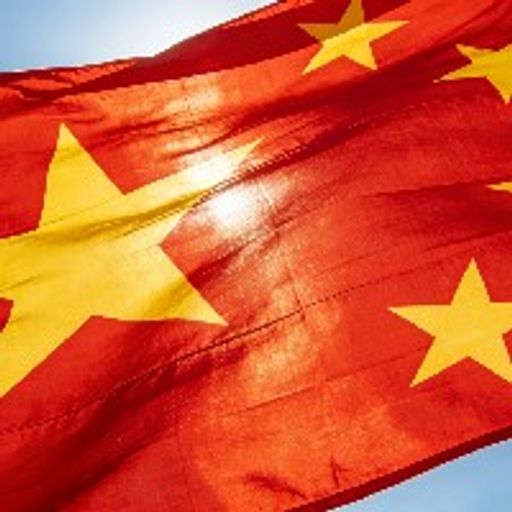
China paradoxically holds approximately 194,000 BTC despite enacting strict crypto trading bans in 2021. Most Chinese government Bitcoin stems from criminal investigation asset forfeitures rather than strategic purchasing.
Bulgaria holds historic significance as the nation that announced owning more Bitcoin than physical gold reserves. Following organized crime crackdowns, Bulgarian authorities seized over 200,000 BTC, making the country an unexpected whale.
El Salvador pursued a contrarian strategy by adopting Bitcoin as legal tender in 2021. The nation continues accumulating BTC, currently holding approximately 2,380 coins, positioning itself as a long-term believer in Bitcoin’s role as currency.
The Expanding Network of Smaller Holders
Blockchain analytics reveal an increasingly distributed ownership landscape. Glassnode data shows over 1 billion total wallet addresses surpassed the threshold by mid-2022, with approximately 950,000 addresses now holding 1+ BTC—a democratization of wealth previously concentrated among pioneers.
The network’s Top 100 addresses currently hold 15.05% of Bitcoin’s total supply, indicating concentration is gradually dispersing as adoption expands.
Current estimates suggest approximately 4.2% of global population (roughly 320 million individuals) holds some cryptocurrency exposure. Vietnam, Philippines, Ukraine, India, and the United States lead adoption rates according to 2022 Chainalysis data, signaling geographic diversification beyond traditional Western markets.
This evolution from founder dominance toward institutional participation and retail adoption fundamentally reshapes Bitcoin’s narrative—transforming it from a solitary creator’s experiment into a globally distributed asset class spanning governments, corporations, and millions of individual participants.