

Trade
Basic
Futures
Futures
Hundreds of contracts settled in USDT or BTC
TradFi
Gold
Trade global traditional assets with USDT in one place
Options
Hot
Trade European-style vanilla options
Unified Account
Maximize your capital efficiency
Demo Trading
Futures Kickoff
Get prepared for your futures trading
Futures Events
Participate in events to win generous rewards
Demo Trading
Use virtual funds to experience risk-free trading
Earn
Launch
CandyDrop
Collect candies to earn airdrops
Launchpool
Quick staking, earn potential new tokens
HODLer Airdrop
Hold GT and get massive airdrops for free
Launchpad
Be early to the next big token project
Alpha Points
Trade on-chain assets and enjoy airdrop rewards!
Futures Points
Earn futures points and claim airdrop rewards
Investment
Simple Earn
Earn interests with idle tokens
Auto-Invest
Auto-invest on a regular basis
Dual Investment
Buy low and sell high to take profits from price fluctuations
Soft Staking
Earn rewards with flexible staking
Crypto Loan
0 Fees
Pledge one crypto to borrow another
Lending Center
One-stop lending hub
VIP Wealth Hub
Customized wealth management empowers your assets growth
Private Wealth Management
Customized asset management to grow your digital assets
Quant Fund
Top asset management team helps you profit without hassle
Staking
Stake cryptos to earn in PoS products
Smart Leverage
New
No forced liquidation before maturity, worry-free leveraged gains
GUSD Minting
Use USDT/USDC to mint GUSD for treasury-level yields

More






NFT Art Explained: From Digital Revolution to Market Maturity
When Beeple’s digital artwork fetched $69.3 million in 2021, it signaled a seismic shift in how the world viewed digital creation. That landmark sale wasn’t just about the price tag—it represented a fundamental reimagining of ownership, authenticity, and value in the digital realm. Today, NFT art exists at the intersection of technology and creativity, where blockchain-based tokens transform how artists protect and monetize their work. Understanding this landscape requires looking beyond the hype cycle to grasp what makes NFT art genuinely valuable.
NFT art stands as one of the most discussed yet misunderstood phenomena in the crypto space. While the market experienced a dramatic downturn in 2022, the resurgence of cryptocurrency values in 2026 has reignited interest in this asset class. More importantly, the evolution of NFT art reveals a maturing ecosystem where serious collectors, institutional investors, and innovative artists are building sustainable models for digital creative expression.
How NFT Art Transformed Digital Ownership
At its core, NFT art represents a departure from traditional digital creation. Unlike conventional digital files that can be infinitely copied, NFT art comes with a unique digital signature embedded on the blockchain. This distinction fundamentally changes the economics of digital work.
An NFT art piece isn’t just the image or video you see—it’s a token representing ownership of an underlying asset. When you purchase NFT art, you acquire a non-fungible token (NFT) that’s irreplaceably yours. This token proves you own a specific piece of digital content, similar to how a certificate of authenticity validates a physical painting. The blockchain records this ownership permanently, preventing anyone else from claiming the same rights.
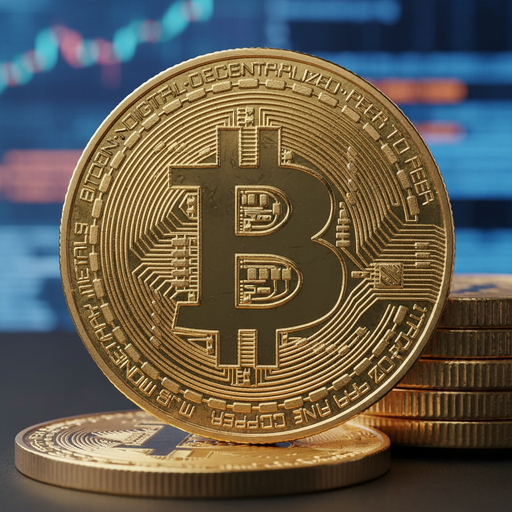
Consider the difference between owning a bitcoin and owning an NFT. Bitcoin is fungible—one bitcoin can be exchanged for another identical bitcoin without any difference in value or function. NFT art operates in the opposite way. Each token carries a unique identifier linked to a specific blockchain address, often Ethereum. No two NFTs are precisely alike, which is precisely what gives them market value. This scarcity principle—the foundation of collectible markets for centuries—now applies to the digital realm.
For digital artists, this transformation opened unprecedented opportunities. Before NFT art emerged, creators struggled to monetize digital work because reproduction cost nearly zero. Now they can tokenize their creations, establishing provable scarcity and authentic ownership rights. Jack Dorsey, Twitter’s founder, capitalized on this capability by selling his first tweet as an NFT for $2.9 million, proving that even intangible digital moments could command substantial value.
The Blockchain Mechanism Behind NFT Art Creation
Understanding how NFT art gets created reveals why the technology solves a genuine problem for digital creators. The process begins with minting—converting a digital file into a blockchain-based token through an automated system called a smart contract.
Smart contracts function as self-executing code embedded on the blockchain. When an artist mints an NFT, they run code that permanently records ownership information on the distributed ledger. These contracts must comply with specific technical standards, such as ERC-721 on the Ethereum network, ensuring compatibility across platforms and exchanges.
During minting, the artist’s public key becomes an immutable part of the token’s history. This permanent record serves a crucial function: it entitles the original creator to receive royalties whenever the NFT is resold. Platforms like Foundation automatically allocate 10% of resale proceeds to creators, while Zora implements similar mechanisms. This royalty infrastructure transforms NFT art into a recurring revenue stream rather than a one-time transaction.
The underlying digital asset itself may exist on or off the blockchain. Most commonly, the NFT token references artwork stored on distributed systems, with metadata describing what the token represents—artist signature, transaction history, and ownership chain. This separation between the token and the asset creates flexibility: the artwork can be viewed freely while ownership rights remain cryptographically secured.
The technical elegance of this system addresses a historical frustration for digital creators. Traditional platforms like music streaming services captured most revenue, leaving artists with minimal compensation. NFT art inverts this dynamic by placing creators at the center of the value distribution.
Trading and Investing in NFT Art: A Practical Overview
The mechanics of buying and selling NFT art have become increasingly accessible, though they require understanding of cryptocurrency systems. To participate, collectors need three essentials: a digital wallet compatible with NFT platforms, cryptocurrency (typically Ethereum or Solana), and access to an NFT marketplace.
Major trading platforms include OpenSea, SuperRare, Foundation, and Axie Marketplace, each catering to different artist and collector preferences. These marketplaces function as galleries and auction houses combined, allowing artists to list work and collectors to discover pieces. Before purchasing, serious investors examine market metrics: collection floor prices (the minimum asking price for any piece in a series), trading volume, and community engagement signals.
When you purchase NFT art, the transaction executes on the blockchain. Your digital wallet receives the token, and the sale is instantly recorded in the immutable ledger. If you later decide to sell, you connect your wallet to a marketplace, list the piece, and pay network fees. Upon sale completion, you receive cryptocurrency minus platform fees, while the token transfers to the new owner.
For investors, the strategy parallels traditional art collecting: identify emerging artists or collections before widespread recognition, purchase at reasonable valuations, and wait for market appreciation. This approach succeeds when the collector accurately assesses cultural trends and artist trajectory. It fails when the project fails to build community support or when broader crypto market downturns reduce speculative capital.
Why NFT Art Matters Despite Market Volatility
The 2022 market collapse taught harsh lessons about speculation and unsustainable valuations. Billions in NFT market value evaporated within months, and many projects abandoned development. Yet institutions didn’t retreat entirely. Sotheby’s and Christie’s, traditional bastions of fine art, held NFT exhibitions and sales. Sotheby’s inaugural NFT auction in spring 2021 generated $16.8 million over three days, signaling that established art world players recognized legitimate opportunity amid the noise.
The fundamental insight driving this persistence comes from Beeple himself, stated during a podcast discussion: “The value is the scarcity, and other people want it. That’s it. If nobody wanted it, there would be no value.” This observation cuts through technological mystification to reveal that NFT art succeeds or fails based on the same principles governing any collectible market.
What changed between 2022’s collapse and 2026’s recovery was market maturation. Early NFT art attracted speculators seeking quick returns. Contemporary NFT art attracts collectors seeking meaningful digital assets, artists seeking equitable compensation, and technologists exploring creative possibilities. The infrastructure matured—platforms became more user-friendly, transaction fees decreased, and security improved.
Notably, AI-generated art has emerged as a frontier in NFT art. Artists now use artificial intelligence to generate unique pieces, then mint them as NFTs. This development sparked debate within the NFT community but ultimately expanded what digital creation could encompass. As technology evolves, NFT art continues adapting, serving as a canvas for whatever creative expression remains at the cutting edge.
Getting Started: Artist and Collector Pathways
For digital creators considering NFT art, the pathway begins with selecting a marketplace. SuperRare, Foundation, VIV3, NFT ShowRoom, and Axie Marketplace each offer different features and audience demographics. Artists create their digital work using conventional tools—design software, photography, video editing, animation programs—then connect their digital wallet to a marketplace and initiate the minting process.
After minting, artists typically pay platform fees to list work for sale or to feature pieces on the marketplace homepage. These fees vary by platform and transaction volume but represent the cost of accessing the distribution network these marketplaces provide. The process democratizes access to global audiences in ways traditional galleries couldn’t previously achieve.
For collectors and investors, the entry point is simpler: acquire a digital wallet capable of holding NFTs (MetaMask and other options are widely available), fund it with Ethereum or Solana tokens purchased from traditional exchanges, then browse marketplaces to discover and purchase NFT art. Research becomes crucial—understanding which artists are building sustainable careers, which collections are appreciating in value, and which projects have committed development teams separates strategic investors from speculators chasing trends.
The beauty of NFT art’s current maturity is that both pathways offer genuine value propositions. Artists can earn meaningful income and retain ownership control. Collectors can build curated digital collections, participate in creator communities, and potentially benefit from appreciation. These outcomes don’t require explosive price increases—they require commitment from market participants and gradual ecosystem development.
The Evolving Landscape of Digital Art Ownership
NFT art’s journey from fringe phenomenon to established market segment reflects broader technological and cultural shifts. The blockchain infrastructure enabling NFT art is now mature enough to support millions of daily transactions. The artists and collectors participating are increasingly serious about long-term engagement rather than quick speculation. The technical capabilities continue expanding with virtual reality experiences, interactive digital art, and integrations with emerging technologies.
Ultimately, NFT art represents more than cryptocurrency investment or technological curiosity. It embodies a fundamental reimagining of how digital creators can establish ownership, authenticity, and sustainable income. Whether individual NFT art pieces appreciate dramatically or not, the infrastructure and economic models pioneered through NFT art have become permanent fixtures in the digital creative landscape. For artists seeking global reach and ownership control, for collectors seeking novel asset classes, and for technologists exploring blockchain applications, NFT art continues to evolve as a meaningful and multifaceted field.