What is OpenSea?
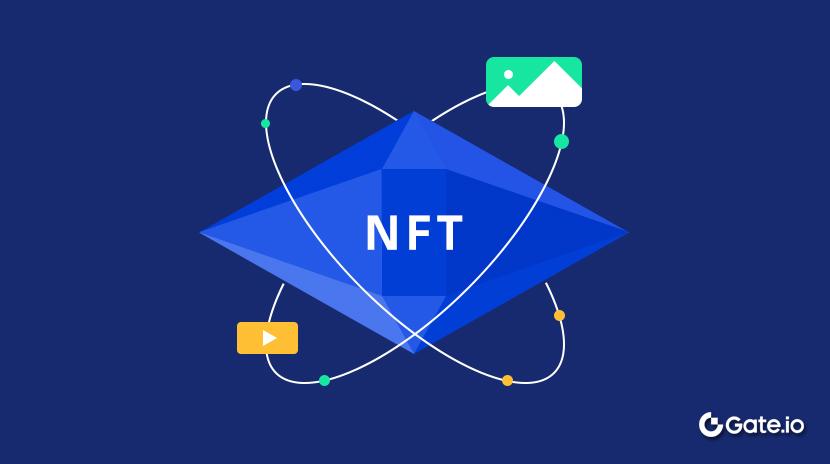
OpenSea is an online marketplace for buying and selling NFTs (Non-Fungible Tokens). NFTs are digital certificates stored on a blockchain, similar to collectible cards with unique serial numbers, representing ownership of digital art, profile pictures, music, or in-game items.
On OpenSea, users log in and sign transactions using their wallet, which acts as your on-chain account tool for sending, receiving tokens, and authorizing transactions. Typical actions include browsing collections, making offers, buying directly, and participating in auctions.
How Does OpenSea Work?
OpenSea’s core mechanism is “off-chain signature orders, on-chain settlement.” Buyers and sellers use their wallet to sign orders or bids on the website, and when a deal is made, a smart contract automatically facilitates the transfer and payment on-chain. A smart contract is an automated program that swaps NFTs and funds at the moment of sale according to preset rules.
Many orders are first saved as “off-chain signatures” and only recorded on-chain upon execution, reducing the cost of frequent blockchain writes. At the moment of settlement, users pay “gas fees,” which are transaction costs based on network congestion and complexity.
How to Buy NFTs on OpenSea?
The process of buying an NFT on OpenSea resembles online shopping but requires extra verification and asset preparation steps.
Step 1: Connect your wallet. On the OpenSea site, select a wallet to connect (for example, GateWeb3 Wallet), authorize the connection, then browse and sign transactions.
Step 2: Verify the collection and contract address. The contract address uniquely identifies a collection on the blockchain, like an authenticity code. Always use official links and verify the publisher, transaction history, and holder count.
Step 3: Prepare assets for the relevant blockchain. For Ethereum, you’ll need ETH; for Polygon, you need MATIC. If funds are insufficient, use Gate’s deposit/withdrawal or cross-chain tools to top up.
Step 4: Choose a purchase method. “Buy Now” purchases at the listed price; “Make Offer” allows you to propose a price, and the seller must accept; “Auction” settles ownership at a set time.
Step 5: Confirm transaction and pay gas. In the wallet popup, review the price, royalty fee, and estimated gas. Submit after confirmation. Once complete, your NFT will appear under your wallet address and can be viewed in your “Profile” or the NFT section of your wallet.
How to Sell NFTs on OpenSea?
Selling NFTs on OpenSea is similar to listing products on e-commerce platforms but requires wallet signature authorization for transferring your NFT.
Step 1: Select the NFT to sell and click “Sell.” For first-time sellers, your wallet will prompt you to authorize the marketplace contract to “move NFTs in this collection,” granting permission for transfer upon sale.
Step 2: Set price and sale type. Fixed price is best for quick sales; timed auction suits rare items; you can also accept buyer offers. When pricing, refer to the collection’s “floor price” (lowest available price) and recent sales history.
Step 3: Sign and list. Listing typically requires only a signature (off-chain); on-chain settlement occurs when a buyer completes the purchase.
Step 4: Monitor and adjust listings. Modify your price or end listings based on traffic, favorites, or offer dynamics.
How Are Fees Calculated on OpenSea?
Costs on OpenSea mainly come from three sources: Gas fees, platform fees, and royalties.
- Gas: The cost of blockchain computation and record-keeping, similar to a highway toll. Buyers pay gas at settlement; sellers may pay a one-time gas fee for initial authorization.
- Platform fee: Service fee charged by OpenSea, with rates subject to platform policy changes. The exact amount is shown during checkout.
- Royalty: A percentage set by creators for secondary sales. The rate depends on collection rules and contract implementation; some enforce strict royalties, others use suggestions or limits.
Example: If an NFT is listed at 0.1 ETH, with a platform fee of 2.5%, royalty of 5%, and estimated gas at 0.002 ETH, then the total buyer cost is approximately 0.1 × (1 + 0.025 + 0.05) + 0.002 = 0.1115 ETH. Always refer to your wallet popup for actual figures.
Which Chains and Wallets Does OpenSea Support?
As of 2025, OpenSea primarily supports Ethereum and compatible networks including Polygon, Arbitrum, Base, Optimism, among others. Each network requires its native token for transaction fees—prepare assets accordingly.
Mainstream browser extension wallets or mobile wallets can connect to OpenSea. Using GateWeb3 Wallet allows you to access OpenSea from desktop or mobile, complete signatures and settlements, and view NFT and token balances within your wallet.
What Are the Security Risks of OpenSea?
Major risks include counterfeit collections, phishing links, and excessive permission requests.
- Counterfeit collections: Others may copy images and names to issue fake NFTs. Protect yourself by verifying contract addresses and publishers—always enter via official pages or trusted community sources.
- Phishing links: Fake websites trick users into connecting their wallet and signing malicious transactions. Avoid clicking links from DMs or unknown sources; check domain names and SSL certificates; use bookmarks for access.
- Permission misuse: Some contracts may request broad permissions that allow transfer of your NFTs. Only authorize necessary collections and regularly revoke unnecessary permissions in your wallet or via a block explorer.
- Price and liquidity risks: Falling floor prices or low transaction volumes can make it hard to sell assets. Diversify purchases; avoid concentrating funds in a single collection.
Fund safety tips: All blockchain transactions are irreversible—always verify price, contract details, and fees before signing; safeguard your mnemonic phrase; avoid using untrusted devices.
OpenSea Trends and Alternatives
By 2025, key trends for OpenSea include broader Layer 2 network support to lower costs; professional buyers prefer aggregator tools for price comparison and bulk trading; creator royalty enforcement is becoming more flexible with contracts and platform policies; anti-counterfeit measures and compliance filters continue to improve.
When choosing platforms, consider your priorities: For lower fees and faster settlement, look for Layer 2-supported collections; if you’re a creator, evaluate royalty policies and minting tools; if you’re a collector, focus on market depth and data analytics capabilities. No matter your approach, always prioritize risk management and asset security.
OpenSea Summary
OpenSea combines “wallet-signed orders” with “on-chain settlement,” providing foundational infrastructure for browsing, pricing, and trading NFTs. Key takeaways: understand NFT and wallet roles; master buy/sell steps; know how gas fees, platform fees, and royalties work; prepare assets for supported networks. As Layer 2 networks and trading aggregators become more common, costs decrease and efficiency improves—but security remains critical: always verify contract addresses, authorize cautiously, and store keys safely.
FAQ
NFT prices on OpenSea fluctuate significantly—how should beginners choose worthwhile projects?
Selecting NFT projects requires a holistic approach: Check floor price trends and trading volume—active projects tend to have better liquidity; research creator backgrounds and community engagement—projects with renowned creators or vibrant communities are usually more stable; finally, set your personal risk tolerance—avoid chasing high prices; start with small investments to test the waters. Remember that NFT investing carries high risk—only use disposable funds you can afford to lose.
Total costs on OpenSea include platform fees (typically 2.5%) plus gas fees (blockchain transaction costs). Gas fees depend on network congestion—Ethereum mainnet fees are high; consider using Polygon or other low-fee chains to save costs. Trade during off-peak hours or directly on Layer 2 chains for much cheaper transactions.
What if my OpenSea wallet gets hacked—can I recover my NFTs?
Blockchain transactions are irreversible—the risk profile of NFT markets means lost assets cannot be reclaimed once transferred. Prevention is far better than cure: Use hardware wallets (like Ledger) instead of hot wallets to store valuable NFTs; enable two-factor authentication; never click unknown links or authorize suspicious contracts. If your NFT has been transferred out, you can report theft to OpenSea but recovery chances are very low.
What should I know before creating my own NFT collection on OpenSea?
Before launching an NFT collection, keep these points in mind: ensure you own all rights and licenses for your work (avoid copyright issues); prepare ETH or other supported tokens via Gate or similar exchanges for gas and contract deployment fees; choose the right blockchain—Ethereum is secure but costly; Polygon or Arbitrum are more affordable alternatives. Double-check metadata and image quality before uploading; after launch, promote through social media to attract buyers.
What does “floor price” mean on OpenSea?
Floor price refers to the lowest listed price for an NFT within a given collection—it represents the minimum entry cost for that project. A falling floor price suggests declining popularity; a rising floor indicates increasing demand. Beginners can track floor price trends to gauge project momentum but should also review trading volume and community activity to assess real value—not just price alone.