O que é um Panic Seller?
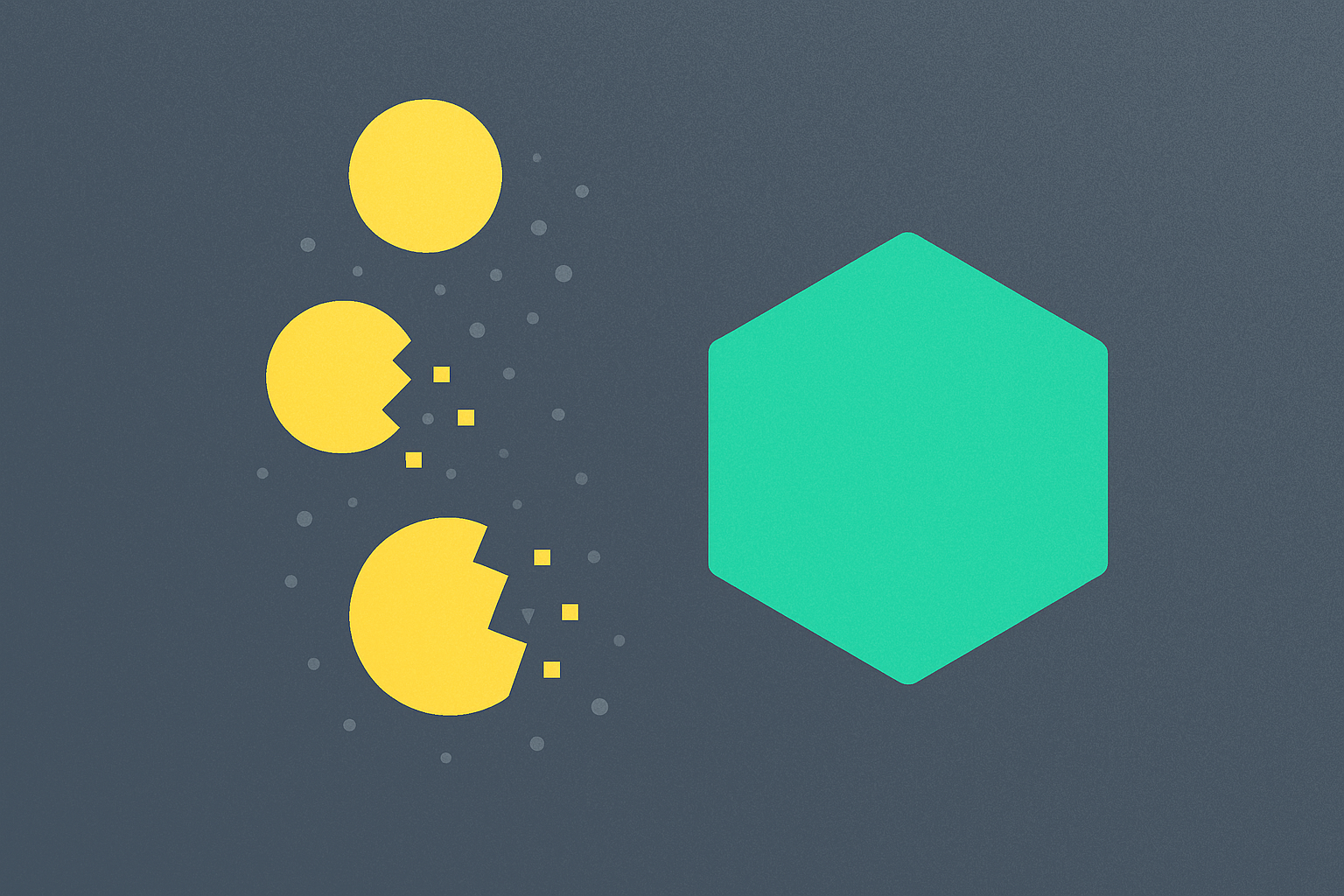
Panic seller é o termo usado para participantes do mercado—sejam pessoas físicas ou sistemas automatizados de negociação—que liquidam rapidamente seus ativos diante de notícias inesperadas ou quedas bruscas de preço. No universo cripto, tornou-se uma gíria para “vendedor apressado” ou “dumper veloz”.
Uma ordem a mercado é aquela que compra ou vende ao melhor preço disponível, sem definir um valor específico. Panic sellers geralmente utilizam esse tipo de ordem, priorizando agilidade em vez do melhor preço. Essa postura pode provocar movimentos abruptos de preço, principalmente quando o book de ofertas está raso ou em pares com baixa liquidez.
Por que Panic Sellers são tão comuns no mercado cripto?
Panic sellers são frequentes porque o mercado de criptoativos opera 24 horas por dia, 7 dias por semana, a informação circula muito rápido, a volatilidade é alta e há grande diversidade de participantes. O intervalo entre a divulgação de notícias e a negociação é mínimo, permitindo que o sentimento de mercado afete diretamente os preços.
Em ambientes alavancados, até pequenas quedas podem provocar liquidações, levando a vendas forçadas e estimulando outros panic sellers a seguirem o movimento. Isso gera uma “reação em cadeia”, frequentemente acompanhada por ondas de medo e pessimismo nas redes sociais.
Como Panic Sellers afetam preços e liquidez?
Panic sellers rapidamente consomem ordens de compra, causando quedas acentuadas e ampliando o spread entre compra e venda. Liquidez é a facilidade de negociar um ativo sem afetar muito seu preço; o panic selling pode fazer a liquidez evaporar de repente.
Slippage é a diferença entre o preço esperado e o preço real de execução. Quando várias ordens a mercado são lançadas simultaneamente, atravessam vários níveis do book de ofertas, aumentando o slippage e os custos das operações. Market makers—instituições ou algoritmos que fornecem cotações de compra e venda—podem reduzir seus spreads nessas situações, intensificando ainda mais a volatilidade.
Por exemplo: Se rumores negativos sobre um token surgem tarde da noite, quando há poucas ordens de compra, vários panic sellers podem lançar ordens a mercado, derrubando o preço rapidamente por diferentes níveis. Isso pode acionar stops de outros investidores e iniciar uma “liquidação em cascata”.
Em redes como X (antigo Twitter), Telegram e comunidades cripto chinesas, panic sellers costumam ser chamados de quem “despeja ao menor sinal de notícia ruim”. Expressões como “não seja um panic seller” ou “alguém acabou de despejar para novas mínimas” são comuns.
Discussões sobre o tema normalmente trazem termos como “medo”, “notícia negativa” ou “pressão de venda”. Um aumento nessas menções, junto com volumes elevados de negociação, indica atividade intensa de panic selling.
Como identificar Panic Sellers?
O foco não é rastrear indivíduos, mas sim reconhecer padrões: picos súbitos de volume, séries de ordens de venda eliminando vários níveis de preço, ou quedas muito acima da volatilidade usual.
A movimentação no book e o timing dos anúncios são cruciais: grandes ordens de venda a mercado minutos antes ou depois de anúncios importantes, ou a remoção repentina de grandes paredes de venda em meio ao pânico nas redes, são sinais claros de panic selling.
No on-chain, transferências expressivas de tokens de grandes carteiras para exchanges em pouco tempo—principalmente durante períodos de alta volatilidade—costumam indicar vendas em massa iminentes.
Como reagir aos Panic Sellers?
O objetivo não é “caçar” vendedores, mas tornar sua estratégia mais robusta e disciplinada. Veja algumas ações para reduzir o impacto da volatilidade de curto prazo:
-
Defina limites de perda: Determine o prejuízo máximo por operação ou para o portfólio, evitando decisões impulsivas sob pressão.
-
Utilize ordens stop: Ordens stop executam compras ou vendas automáticas ao atingir determinado preço. Na Gate, é possível configurar take-profit, stop-loss ou ordens condicionais para manter sua estratégia acima das emoções.
-
Prefira ordens limitadas: Ordens limitadas permitem definir o preço de entrada ou saída, oferecendo mais controle em momentos de volatilidade e reduzindo o slippage. Ordens a mercado podem ser arrastadas pelo movimento dos panic sellers.
-
Negocie em lotes: Divida operações grandes em ordens menores, executadas em diferentes momentos e preços, para minimizar impacto no book e reduzir o risco de grandes erros pontuais.
-
Considere trailing stops: Trailing stops ajustam-se automaticamente a favor do preço, protegendo lucros e acionando venda caso haja recuo—ferramenta ideal para cenários de alta volatilidade, disponível entre as opções avançadas da Gate.
-
Reduza alavancagem e concentração: Alta alavancagem aumenta o risco de reações em cadeia, enquanto concentração excessiva em um único ativo amplia a exposição em episódios de panic selling.
Dica de segurança: Toda operação envolve riscos. Stop-loss e outros gatilhos não garantem lucro—use-os com cautela, de acordo com sua realidade, e mantenha a segurança da conta e da API sempre em dia.
Qual a diferença entre Panic Sellers, Diamond Hands e Bagholders?
Panic sellers são conhecidos por venderem rapidamente, enquanto “diamond hands” são valorizados nas redes por manterem seus ativos a longo prazo, mesmo sob pressão—abordagens opostas. Bagholder é quem compra ativos de outros em períodos de queda ou grandes vendas, assumindo o risco de “pegar a faca caindo”.
Nenhum desses perfis é bom ou ruim por si só—o importante é ter estratégia clara e gestão de risco. Panic selling pode evitar perdas maiores; comprar em quedas pode render lucros futuros; manter posições durante a volatilidade pode compensar no longo prazo—mas todos exigem disciplina e paciência.
Panic Sellers são movidos por bots ou whales?
Panic sellers podem ser investidores de varejo, bots ou whales. Bot trading utiliza sistemas automatizados para executar negociações conforme condições pré-definidas; em eventos de mercado, algoritmos costumam vender rapidamente para limitar riscos.
Uma whale é uma entidade ou carteira que detém grandes volumes de um ativo. Vendas realizadas por whales podem impactar fortemente o mercado. Porém, o movimento coletivo de pequenos investidores com ordens a mercado também pode desencadear reações em cadeia—essas forças frequentemente se misturam.
Quais as tendências para Panic Sellers em 2024-2025?
Em 2024-2025, a volatilidade de curto prazo em tokens em alta e meme coins está mais frequente, com os termos “panic selling” e “pressão de venda” ganhando destaque em períodos de muitas notícias. Esse fenômeno está ligado a lançamentos rápidos de tokens, liquidez fragmentada e mudanças narrativas mais ágeis.
Nesse contexto, os volumes máximos de negociação estão cada vez mais concentrados nas primeiras horas após o lançamento, com movimentos intradiários motivados por eventos mais intensos. Para iniciantes, acompanhar picos simultâneos nas redes sociais e no volume negociado é uma forma prática de identificar a atuação dos panic sellers.
Resumo: Panic Sellers e mentalidade de trading
“Panic seller” é um termo social para comportamento de venda rápida—resultado da agilidade, fluxo de informações e reação emocional. Entender os fatores e os impactos sobre preço e liquidez ajuda o trader a usar ordens limitadas, stop-loss e trailing stops para minimizar slippage e evitar decisões impulsivas. No longo prazo, definir regras, diversificar riscos, reduzir alavancagem e manter registros detalhados ajudam a manter o controle—mesmo em mercados marcados por panic selling.
FAQ
O que fazer se minhas moedas forem despejadas repentinamente por Panic Sellers?
Mantenha a calma—não venda no impulso. Primeiro, avalie se houve mudança fundamental no projeto. Se for apenas pressão de venda de curto prazo, considere fazer preço médio ou manter a posição para um possível repique; se o projeto tiver notícia negativa relevante, corte as perdas rapidamente. O essencial é uma gestão de risco clara: defina stops e alvos para evitar decisões emocionais.
Geralmente, trata-se de uma tática de “spoofing” por market makers ou institucionais—usam grandes ordens de compra para elevar preços e atrair seguidores, só para despejar em níveis mais altos e lucrar. Essas estratégias são mais comuns em mercados incertos ou ativos ilíquidos. Fique atento a mudanças incomuns no book e no volume para identificar esses padrões cedo.
Panic Sellers são mais ativos em bear markets do que em bull markets?
Sim—Panic Sellers costumam ser mais ativos em bear markets porque o sentimento do investidor é frágil e pequenas quedas podem gerar vendas generalizadas por medo. Isso cria um efeito amplificador, explorado por panic sellers para lucrar a custos menores. Bear markets também tendem a ser menos líquidos, então até pequenos dumps podem causar grandes movimentos.
A queda acentuada no primeiro dia de uma moeda é causada por Panic Sellers?
Quedas rápidas no lançamento geralmente resultam de vários fatores: realização de lucros após hype, desbloqueio de tokens das equipes e panic selling genuíno. Para saber se é puro pânico, observe grandes vendas contínuas, dumps repetidos durante tentativas de repique e o feedback das comunidades. Panic selling puro costuma envolver ordens grandes e coordenadas, não apenas vendas naturais de varejo.
Como usar ordens limitadas na Gate para evitar risco de Panic Sellers?
Ao negociar na Gate, prefira ordens limitadas em vez de mercado—definir o preço de entrada ajuda a evitar execuções ruins durante dumps. Use stop-limit para proteger posições abertas; coloque stops abaixo de suportes importantes, assim caso ocorra um dump sua saída será automática em níveis definidos. Monitore sempre a profundidade do book—negociar quando a liquidez está alta reduz ainda mais o risco.