

Trade
Basic
Futures
Futures
Hundreds of contracts settled in USDT or BTC
Options
HOT
Trade European-style vanilla options
Unified Account
Maximize your capital efficiency
Demo Trading
Futures Kickoff
Get prepared for your futures trading
Futures Events
Participate in events to win generous rewards
Demo Trading
Use virtual funds to experience risk-free trading
Earn
Launch
CandyDrop
Collect candies to earn airdrops
Launchpool
Quick staking, earn potential new tokens
HODLer Airdrop
Hold GT and get massive airdrops for free
Launchpad
Be early to the next big token project
Alpha Points
NEW
Trade on-chain assets and enjoy airdrop rewards!
Futures Points
NEW
Earn futures points and claim airdrop rewards
Investment
Simple Earn
Earn interests with idle tokens
Auto-Invest
Auto-invest on a regular basis
Dual Investment
Buy low and sell high to take profits from price fluctuations
Soft Staking
Earn rewards with flexible staking
Crypto Loan
0 Fees
Pledge one crypto to borrow another
Lending Center
One-stop lending hub
VIP Wealth Hub
Customized wealth management empowers your assets growth
Private Wealth Management
Customized asset management to grow your digital assets
Quant Fund
Top asset management team helps you profit without hassle
Staking
Stake cryptos to earn in PoS products
Smart Leverage
NEW
No forced liquidation before maturity, worry-free leveraged gains
GUSD Minting
Use USDT/USDC to mint GUSD for treasury-level yields

More


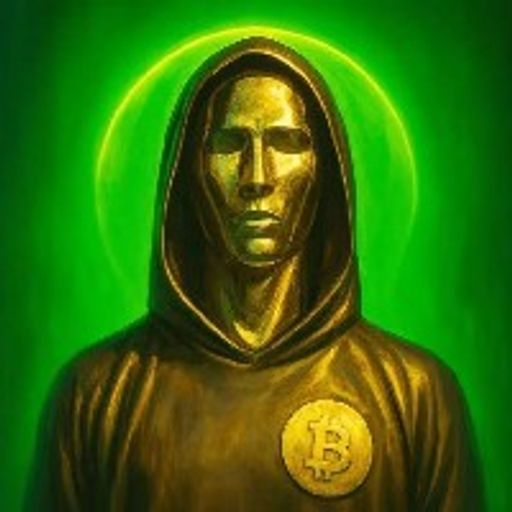




## The Role of Blockchain Developers in Web3: What They Do and How to Get Started
The demand for tech talent continues to surge across industries, but one specialty is drawing particular attention: blockchain development. Industry data reveals that job postings for blockchain developers skyrocketed 552% in 2022, with the trend only accelerating. As enterprises expand their cryptocurrency initiatives and Web3 adoption spreads beyond fintech into supply chain, gaming, and real estate, the talent gap widens. So what does a blockchain developer do, and what separates them from conventional software engineers? More importantly, how can aspiring developers position themselves for this explosive growth?
## Understanding What Blockchain Developers Actually Do
A blockchain developer is fundamentally a software engineer with specialized expertise in decentralized systems. While they share core responsibilities with traditional developers—writing code, debugging, and deploying applications—their focus diverges significantly. Rather than building centralized solutions, blockchain developers construct peer-to-peer (P2P) protocols and decentralized experiences.
This specialization encompasses multiple domains. Some blockchain developers work on standalone chains or build decentralized applications (dApps) on existing blockchains. Others focus on layer-2 protocols or develop crypto tokens. Beyond coding, they must grasp cryptography principles, smart contract functionality, and consensus mechanisms—knowledge that separates them from standard software developers.
## Core Infrastructure vs. Application-Layer Development
The blockchain development field splits into two distinct roles, each with different responsibilities and technical requirements.
**Core blockchain developers** operate at the infrastructure level. They architect and refine the consensus algorithms and foundational code that power entire networks like Bitcoin (BTC) and Ethereum (ETH). These developers propose, test, and implement network upgrades. Think of them as urban planners designing a city's essential systems—power grids, water systems, and transportation networks.
**Blockchain software developers**, by contrast, work with established infrastructure to create user-facing experiences. They leverage the base layers created by core developers to build DeFi platforms, metaverse applications, and tokenized real-world assets (RWAs). These developers need strong programming fundamentals and smart contract expertise but don't require the deep cryptographic knowledge demanded of core developers. They're the architects building houses, shops, and offices within that city.
## The Career Path: Skills and Steps
Breaking into blockchain development requires a structured approach. Most practitioners begin with traditional computer science education, mastering fundamentals like data structures, algorithms, and software engineering principles. This foundation is non-negotiable.
Once comfortable with general software development, aspiring blockchain developers should explore specific blockchain ecosystems. The path varies by specialization: Ethereum developers typically learn Solidity or Vyper, while Solana (SOL) developers work with Rust. Cosmos (ATOM) developers engage with the Cosmos SDK. Online platforms and bootcamps now offer structured education through organizations like the Blockchain Council and Coursera.
Building a portfolio is critical. Contributing to open-source projects on GitHub, experimenting with development frameworks like HardHat or Anchor, and launching personal dApps demonstrate practical capability. This hands-on experience becomes invaluable when competing for positions.
Finally, staying current is essential. Blockchain technology evolves rapidly—new protocols emerge, security vulnerabilities surface, and best practices shift. Developers must actively monitor crypto news outlets, engage with communities on platforms like BitcoinTalk and GitHub, and network at industry conferences and online forums.
## Weighing the Opportunity and Challenges
**Why blockchain development appeals to developers:**
The sector offers genuine advantages. Industry analysis shows job listings for blockchain specialists jumped 395% on platforms like LinkedIn, reflecting broad demand across multiple industries. The technology remains young and experimental, attracting developers who thrive on innovation and creative problem-solving. Remote work is standard in Web3, offering flexibility in work arrangements. Moreover, the developer community has matured substantially, providing legitimate networking opportunities through conferences, forums, and professional organizations.
**The realistic downsides:**
However, challenges exist. Formal education pathways remain limited—blockchain isn't yet standard in most computer science curricula, requiring self-directed learning. Crypto market volatility creates uncertainty; projects can fail, and compensation structures fluctuate. Security demands are higher; a single smart contract vulnerability or code oversight can result in catastrophic, irreversible financial losses. Smart contract audits and rigorous testing aren't optional—they're essential safeguards.
Additionally, the rapid pace of development exhausts some developers. Staying competitive means continuously absorbing new frameworks, languages, and protocols. It's exhilarating for some and overwhelming for others.
## The Verdict: A High-Growth Career with Real Challenges
What does a blockchain developer do at the intersection of opportunity and risk? They solve cutting-edge problems in a nascent but rapidly expanding sector. The compensation often reflects the specialization and difficulty—blockchain developers typically command premium salaries compared to general software developers—but success requires continuous learning and adaptability.
For developers with strong fundamentals, intellectual curiosity, and tolerance for volatility, blockchain development represents a genuinely differentiated career path in the digital economy. The window for building expertise and establishing reputation in this field remains open, but it won't stay this way indefinitely.