In March, BTC and ETH exhibited a “decline-then-stabilization” recovery pattern. Institutional allocation remained BTC-centric with ETH as a supplement. BTC ETFs recorded cumulative inflows of approximately $86.8 billion, while ETH ETFs saw around $12.6 billion. Within Gate Private Wealth’s quantitative funds, USDT strategies delivered an average annualized return of 5.7%. Xinghe Smart Investment (USDT) achieved the highest one-year return at 9.5%, while Interstellar Hedging (USDT) recorded a cumulative return of 18.0% with all 21 cycles profitable, achieving a 100% win rate. Gravity Hedging (USDT) maintained a maximum drawdown of just 0.01%, demonstrating strong stability. By the end of March, tensions around the Strait of Hormuz eased marginally, supporting a stable outlook for risk assets.
2026-04-10 10:27:17
Following the announcement of a two-week ceasefire between the US and Iran, which includes the reopening of the Strait of Hormuz, WTI crude oil prices experienced a significant decline. Drawing on the latest developments as of April 8, 2026, this article examines the underlying causes of the oil price plunge, the trajectory of supply restoration, the implications for inflation transmission, and the effects on A-shares and global assets.
2026-04-09 11:22:51
Gate Research Weekly Report: BTC and ETH pulled back after a spike, shifting into a short-term bearish consolidation; ~$274M in liquidations over 24h with shorts dominant, while the Fear & Greed Index sits around 17, reflecting a defensive stance in capital flows. Amid broad altcoin weakness, privacy and DeFi outperformed, with RSC, STIK, and ARIA emerging as structural leaders. Total stablecoin market cap edged up to ~$315.4B, while Ethereum-based stablecoins hit a record ~$180B; gas fees remain low. MSBT saw ~$34M in inflows on day one, Strategy raised enough to buy over 2,500 BTC, and Canary filed for a PEPE ETF. Focus on U.S.–Iran developments, shifts in risk appetite, upcoming stablecoin regulation, as well as Pharos and GoSats funding and token unlocks including APT.
2026-04-09 11:04:10
Keeta operates around three core pillars: transaction execution, compliance validation, and integration with external systems. A typical transaction in Keeta goes through stages such as signature construction, rule validation, network propagation, consensus ordering, and state execution. Through anchors, it can also interact with fiat systems, identity systems, and other blockchains. This design allows Keeta to maintain high performance while directly connecting on-chain activity with traditional financial systems.
2026-04-08 08:19:56
The reported move, if confirmed, could have serious ramifications for the blockchain’s developers. But success for the troubled regulator is far from certain and unanswered questions abound.
2026-04-07 19:09:47
This article examines the EU's approach to regulating stablecoins, emphasizing the role of auditors in security and risk assessments under these
2026-04-07 18:25:27
Why are cryptocurrency exchange founders like SBF and CZ constantly facing money laundering allegations? How do cryptocurrency mixers like Bitcoin Fog and Tornado Cash facilitate money laundering? How do virtual asset service providers avoid suspected money laundering transactions and meet compliance requirements? Today, we will explain it all.
2026-04-07 18:15:05
The European Union has passed a new cryptocurrency regulatory law aimed at strengthening anti-money laundering. Under this regulation, it will be illegal to use any anonymous self-hosted crypto wallet for cryptocurrency payments within the EU.
2026-04-07 17:42:28
Incorporating Bitcoin into a traditional 60/40 stock and bond investment portfolio can enhance cumulative returns but also increases volatility, with an optimal allocation of 3% to 5% Bitcoin being the best ratio for risk-adjusted returns.
2026-04-07 16:53:17
In this article, we perform a pre-selection of token pairs of interest. We then derive the mathematical formula for finding the optimal arbitrage between two pools of the same token pairs.
2026-04-07 16:18:59
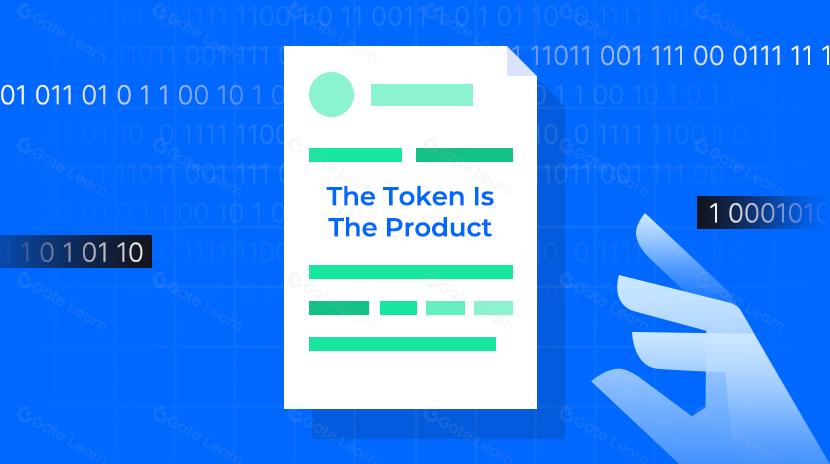
"The Token is The Product" discusses how to build and develop valuable cryptocurrency companies by attracting long-term attention and liquidity for tokens. The article analyzes examples, showing that successful cryptocurrency products can be established in the order of attracting attention and capital, and converting this attention into valuable products for users.
2026-04-07 16:16:38
This article explores the key differences between commodities and securities, understanding the essence, market performance, and regulatory outlook of these two tradable asset classes. The article provides an in-depth analysis of the pros and cons of investing in commodities and securities, offering the knowledge needed to make wise investment choices in the volatile financial market.
2026-04-07 16:05:44
BlackRock announces the launch of its first tokenized fund, BUIDL, on Ethereum, which directly boosts the popularity of the RWA (Real World Asset, referring to the tokenization of real-world assets through blockchain technology) track.
2026-04-07 15:03:36
The article explores the relationship between the gradual return of the retail industry and the Bitcoin price nearing its all-time high. While the price of Bitcoin is rising, the full recovery of the retail industry will still take time, partly due to the need for mainstream media coverage and the development of attraction to the retail industry.
2026-04-07 14:34:07
Explore the power of ESG investing, understand how to integrate environmental, social, and governance factors into investment decisions to promote long-term value creation and positive social impact. This article provides detailed insights into the origins of ESG investing, key driving factors, common investment methods and scoring systems, as well as how blockchain technology can contribute to the development of ESG investing.
2026-04-07 14:29:30