

Trade
Basic
Futures
Futures
Hundreds of contracts settled in USDT or BTC
Options
HOT
Trade European-style vanilla options
Unified Account
Maximize your capital efficiency
Demo Trading
Futures Kickoff
Get prepared for your futures trading
Futures Events
Participate in events to win generous rewards
Demo Trading
Use virtual funds to experience risk-free trading
Earn
Launch
CandyDrop
Collect candies to earn airdrops
Launchpool
Quick staking, earn potential new tokens
HODLer Airdrop
Hold GT and get massive airdrops for free
Launchpad
Be early to the next big token project
Alpha Points
NEW
Trade on-chain assets and enjoy airdrop rewards!
Futures Points
NEW
Earn futures points and claim airdrop rewards
Investment
Simple Earn
Earn interests with idle tokens
Auto-Invest
Auto-invest on a regular basis
Dual Investment
Buy low and sell high to take profits from price fluctuations
Soft Staking
Earn rewards with flexible staking
Crypto Loan
0 Fees
Pledge one crypto to borrow another
Lending Center
One-stop lending hub
VIP Wealth Hub
Customized wealth management empowers your assets growth
Private Wealth Management
Customized asset management to grow your digital assets
Quant Fund
Top asset management team helps you profit without hassle
Staking
Stake cryptos to earn in PoS products
Smart Leverage
NEW
No forced liquidation before maturity, worry-free leveraged gains
GUSD Minting
Use USDT/USDC to mint GUSD for treasury-level yields

More


Trending Topics
View More24.81K Popularity
32.95K Popularity
18.61K Popularity
2.54K Popularity
1.6K Popularity




Pin
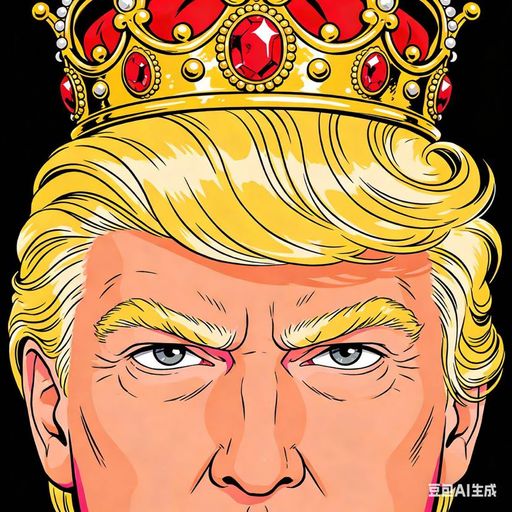
Bill Ackman Flags Economic Risks in Trump's Proposed Credit Card Interest Rate Cap
The Core Disagreement
When Donald Trump recently announced plans to implement a one-year ceiling on credit card interest rates at 10%, billionaire investor and Pershing Square Capital Management head Bill Ackman quickly took to social media to voice concerns. Rather than endorsing the affordability initiative, Ackman warned that such regulatory intervention could trigger unintended consequences for consumers seeking credit.
What Would Actually Happen
Ackman’s central argument centers on market mechanics. If lending institutions cannot charge rates sufficient to cover default risks and generate acceptable profit margins, they face a choice: tighten lending standards or exit the market altogether. According to Ackman, millions of cardholders could find their accounts terminated, potentially pushing those consumers toward alternative lending sources with even higher fees—including predatory lenders operating outside traditional banking frameworks.
“When you eliminate the ability to price risk appropriately, lenders respond rationally by reducing exposure,” Ackman explained in his analysis. “This doesn’t create affordability; it creates scarcity.”
Trump’s Position on Affordability
The former president framed his proposal as consumer protection. Trump stated that Americans have been “taken advantage of” by rates spanning 20-30%, and promised that beginning January 20, 2026, his administration would enforce the 10% temporary cap. His broader focus on cost-of-living pressures reflects growing political attention to inflation and household expenses.
The Implementation Question
Legal experts note that unilateral presidential action on interest rate ceilings would likely require congressional authorization. The feasibility of implementing such a policy without legislative approval remains unresolved, adding another layer of uncertainty to the proposal’s viability.
An Alternative Framework
In subsequent commentary, Ackman acknowledged the legitimate goal of reducing credit card costs but proposed a different path. He argued that strengthening market competition through regulatory modernization and encouraging financial innovation would lower rates more effectively than price controls. This market-driven approach, he suggested, would expand access rather than restrict it.
“The objective of affordable credit is sound,” Ackman noted. “The mechanism matters enormously for whether consumers actually benefit or face reduced options.”
The debate underscores a fundamental tension between policy intentions and economic outcomes—one likely to shape ongoing discussions around financial regulation.