

Trade
Basic
Futures
Futures
Hundreds of contracts settled in USDT or BTC
Options
HOT
Trade European-style vanilla options
Unified Account
Maximize your capital efficiency
Demo Trading
Futures Kickoff
Get prepared for your futures trading
Futures Events
Participate in events to win generous rewards
Demo Trading
Use virtual funds to experience risk-free trading
Earn
Launch
CandyDrop
Collect candies to earn airdrops
Launchpool
Quick staking, earn potential new tokens
HODLer Airdrop
Hold GT and get massive airdrops for free
Launchpad
Be early to the next big token project
Alpha Points
NEW
Trade on-chain assets and enjoy airdrop rewards!
Futures Points
NEW
Earn futures points and claim airdrop rewards
Investment
Simple Earn
Earn interests with idle tokens
Auto-Invest
Auto-invest on a regular basis
Dual Investment
Buy low and sell high to take profits from price fluctuations
Soft Staking
Earn rewards with flexible staking
Crypto Loan
0 Fees
Pledge one crypto to borrow another
Lending Center
One-stop lending hub
VIP Wealth Hub
Customized wealth management empowers your assets growth
Private Wealth Management
Customized asset management to grow your digital assets
Quant Fund
Top asset management team helps you profit without hassle
Staking
Stake cryptos to earn in PoS products
Smart Leverage
NEW
No forced liquidation before maturity, worry-free leveraged gains
GUSD Minting
Use USDT/USDC to mint GUSD for treasury-level yields

More




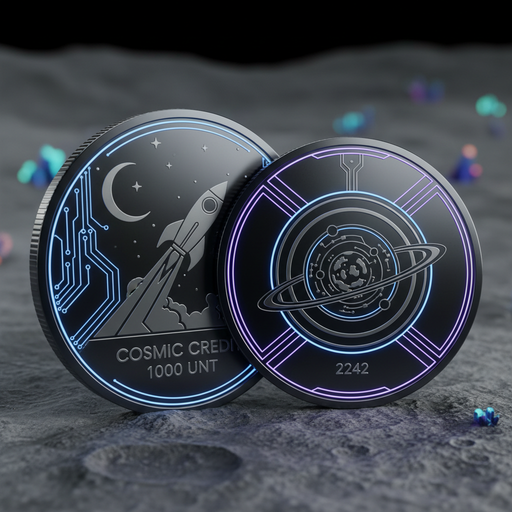


What is Altcoin: The journey to explore coins beyond Bitcoin
When stepping into the cryptocurrency world, newcomers are sure to encounter an unavoidable term: altcoin. This is not just a casual term but a key to understanding the entire structure of the crypto industry. This article will delve into the definition, classification, opportunities, and challenges of altcoins.
Altcoin: Definition and Historical Context
Altcoin – short for “alternative coin” – simply refers to any cryptocurrency other than Bitcoin. Since Bitcoin’s inception in 2009, all tokens and coins that appeared afterward are categorized as such.
Interestingly, some communities believe that Ethereum should also be an exception to this definition, considering its revolutionary contributions to the industry. However, the term “altcoin” still broadly covers nearly all tokens currently on the market.
Before Ethereum, most altcoins were forks of Bitcoin or built on independent blockchains. But the advent of Ethereum changed everything. It opened a shortcut for developers: instead of building a network from scratch, they could create tokens on existing blockchains. This led to an explosion in the number of altcoins – from dozens to tens of thousands of projects within a few years.
Classification of Altcoins
The altcoin market is not a homogeneous block. Each type has different purposes, mechanisms, and potentials:
Utility Tokens
They provide access to specific services or products within a network. Users can use them to purchase storage space, receive transaction discounts, or vote on project proposals. The value of utility tokens is directly linked to their demand.
Governance Tokens
This type grants power to the community. Holders of governance tokens can vote on the project’s direction, from technical changes to financial decisions. This exemplifies decentralization in cryptocurrency.
Memecoin
Starting with Dogecoin (DOGE) in 2013 as a joke, memecoin has developed into a real market phenomenon. They attract a loyal community and continue to grow. Today, memecoins on Solana and BRC-20 have proven that community strength should not be underestimated.
Stablecoin
These are tokens pegged to valuable assets like USD. The largest stablecoins usually maintain a fixed price of $1, providing stability in a volatile market.
Privacy Coins
Once, this type was very popular because it allowed anonymous transactions. However, due to concerns over illegal activities, they have been removed from most exchanges.
Opportunities and Risks in Altcoin Trading
Advantages:
Notable Risks: Altcoin market capitalization is much smaller than Bitcoin’s. Currently, Bitcoin accounts for about 53% of the total industry capitalization (Bitcoin: ~$1.2 trillion, total industry: ~$2.25 trillion). This results in higher volatility and greater trading risks.
Liquidity is uneven – some altcoins are difficult to buy/sell, especially smaller projects. Ethereum does not have this issue, but many low-cap coins do.
The risk of fraud is quite high. Scammers attack the industry through fake ICOs, then disappear with investors’ money (called “rug pull”).
Finally, many altcoin projects are simply weak or abandoned. Even if legitimate, if they do not attract attention, they will eventually become useless.
Mining vs. Staking: Two Approaches to Earning Income
In the past, mining altcoins was a popular way to earn cryptocurrency. Users contributed computational power to the network and received token rewards. However, currently, staking – locking tokens in smart contracts to earn rewards – has become a preferred choice. It is less costly, more efficient, and accessible to everyone.
Altcoin Trading Strategies for Different Levels
Approach 1: HODL Entire Portfolio Choose an altcoin you trust, invest all, and hold long-term. This strategy carries high risk but also high potential returns.
Approach 2: Diversify Portfolio This is a safer method. Identify multiple promising altcoins (based on technology, community, or use cases) and split your investment among them. Risk is reduced, but profits are slower.
Approach 3: Active Trading Instead of holding long-term, buy and sell in the short term – from a few hours to a few weeks. The goal is to capitalize on price fluctuations for profit. This method requires higher technical skills and experience.
Safe Tips for Beginners
If you decide to enter the altcoin world, keep these in mind:
The Future of Altcoins
Once, many traders believed most altcoins would die and lose value. However, with developments in Web3 and increasing real-world applications, that seems less likely now.
But the truth is, the altcoin market is still immature. It remains prone to manipulation and uncertainty. The real challenge is identifying which altcoins will survive long-term and create real value.
No one can be certain. The best you can do is read as much as possible, follow market trends, and only invest when you have a solid knowledge foundation.