

Trade
Basic
Futures
Futures
Hundreds of contracts settled in USDT or BTC
Options
HOT
Trade European-style vanilla options
Unified Account
Maximize your capital efficiency
Demo Trading
Futures Kickoff
Get prepared for your futures trading
Futures Events
Participate in events to win generous rewards
Demo Trading
Use virtual funds to experience risk-free trading
Earn
Launch
CandyDrop
Collect candies to earn airdrops
Launchpool
Quick staking, earn potential new tokens
HODLer Airdrop
Hold GT and get massive airdrops for free
Launchpad
Be early to the next big token project
Alpha Points
NEW
Trade on-chain assets and enjoy airdrop rewards!
Futures Points
NEW
Earn futures points and claim airdrop rewards
Investment
Simple Earn
Earn interests with idle tokens
Auto-Invest
Auto-invest on a regular basis
Dual Investment
Buy low and sell high to take profits from price fluctuations
Soft Staking
Earn rewards with flexible staking
Crypto Loan
0 Fees
Pledge one crypto to borrow another
Lending Center
One-stop lending hub
VIP Wealth Hub
Customized wealth management empowers your assets growth
Private Wealth Management
Customized asset management to grow your digital assets
Quant Fund
Top asset management team helps you profit without hassle
Staking
Stake cryptos to earn in PoS products
Smart Leverage
NEW
No forced liquidation before maturity, worry-free leveraged gains
GUSD Minting
Use USDT/USDC to mint GUSD for treasury-level yields

More




NFT Games vs Crypto Games: Two Completely Different Digital Economies
Although many associate “NFT games” and “crypto games” as similar categories, the reality is that they represent two completely different philosophies about how rewards and ownership work in modern video games. Both leverage blockchain technology, but that’s where the similarities end. While crypto games focus on the constant movement of currency within a game economy, NFT gaming centers on owning unique and non-reproducible assets. Understanding these differences is essential to determine which aligns better with your gaming style.
The Crypto Gaming Model: Digital Money in Motion
Token-based systems function like any other digital economy you already know. Developers integrate cryptocurrencies such as Bitcoin, Dogecoin, or custom tokens to manage payments, profit distribution, and exchanges within the game. These tokens are fungible, meaning identical to each other, like legal tender bills. Users accumulate these coins by completing missions and rounds, then invest them in upgrades, content access, or entry fees for special events.
The interesting part is that most players don’t need to actively think about the underlying blockchain infrastructure. Wallets operate discreetly in the background, providing an experience virtually indistinguishable from using virtual currency in any conventional online game. The real advantage lies in transaction speed and financial autonomy: crypto transactions are processed significantly faster than traditional banking systems and don’t require intermediaries.
Consider crypto-based casino platforms as an example. Classic games like blackjack, poker, and slot machines (pokies) that New Zealand users and international players recognize for their operational transparency now accept deposits and withdrawals in cryptocurrencies. Each bet consumes tokens from the user’s balance, with winnings returned in the same currency. What’s revolutionary here is verifiability: the server generates a predetermined seed that is combined with the player’s seed to produce results on each spin. After playing, any user can independently verify that no manipulation occurred. This level of transparency is virtually impossible on traditional platforms.
The NFT Gaming Approach: Own Your Digital Collections
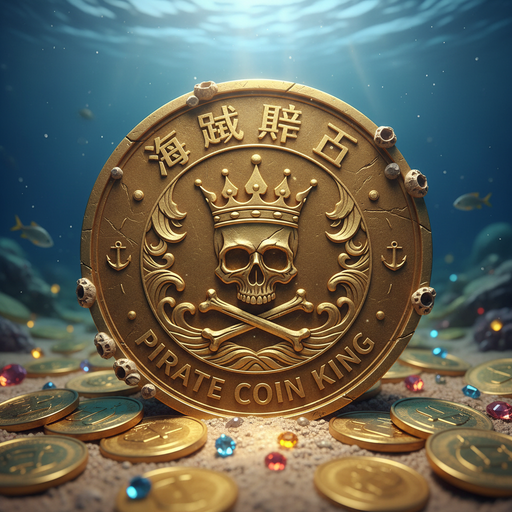
NFT gaming completely inverts this priority. Instead of pursuing coin balances, users acquire and custody individual digital objects. Each non-fungible token is unique: that character, weapon, or skin you own contains its own attributes, a unique history recorded on the blockchain, and a market value differentiated from all other assets in the game.
The mechanics start with users directly trading these objects among themselves in specialized markets. Smart contracts facilitate ownership transfers while blockchain maintains an immutable record of who owns what. Owning a rare NFT means more than having a high balance; it’s tangible evidence of time invested or skill demonstrated in the game.
Although the initial Play to Earn movement generated exaggerated expectations about passive income, the sector has matured. Today, NFT gaming emphasizes prolonged ownership and strategic trading over immediate gains. The model resembles collecting limited sneakers or sports cards more than playing in a traditional casino. Participants value assets not only for their utility within the game but also for their scarcity and aesthetic design.
Fungible Ownership Versus Unique Ownership
This fundamental distinction explains the behavior of both communities. In crypto games, the user owns a balance: Bitcoin, Tether, or the game’s native token. That value fluctuates, transfers quickly, but each unit is interchangeable with any other. In NFT gaming, the user owns specific assets. Each NFT has its own identity permanently linked to the blockchain, often recording metadata such as creation date or transaction history.
This essential difference impacts gameplay patterns. Crypto games encourage sustained activity and rapid capital rotation: tokens circulate constantly. NFT games reward patience and strategic timing: assets can remain in wallets for months while waiting for the right buyer or exchange.
Entry Barriers: A Decisive Factor
Crypto games maintain significantly lower entry thresholds. Anyone can start with small amounts and learn as they go. Tokens are conceptually familiar to those who have used credits or points on previous gaming platforms. NFT gaming requires more initial commitment: acquiring an NFT involves real investment in fiat or crypto, with highly volatile prices. This initial friction can seem intimidating.
Consequently, token-based games dominate in absolute user numbers, especially in mobile and web browser segments. NFT gaming attracts smaller but notably more engaged communities that genuinely value the collector and ownership dimension.
Current Success: Hybrid Models
Blockchain titles with greater economic viability combine both methodologies. They use crypto tokens for transactions and routine payments while NFTs custody characters and special assets. This dual approach allows dynamic economies without forcing the entire player base to become NFT market operators.
In these hybrid systems, the typical flow works as follows: you accumulate tokens through gaming sessions, then spend those tokens buying or upgrading NFTs you own. Each component serves different purposes and attracts audiences with different gaming preferences. Casual players stay within the token ecosystem for quick matches. Trading enthusiasts focus on NFT markets. This architecture reflects how the market has finally reached equilibrium.
Popularity: Depends on How Midas
Crypto games excel widely when considering user volume. Tokenized systems are deployed in significantly more titles and reach vastly larger audiences, especially in mobile and casual territories. However, measured by transaction volume, media visibility, and deep community engagement, NFT gaming maintains a disproportionate presence. High-value exchanges in public markets generate narratives even with smaller player bases.
Neither of these models has displaced traditional video games, nor have both combined radically revolutionized core mechanics. What they have achieved is offering new dimensions of ownership and exchange that certain gamer segments value deeply.