

Trade
Basic
Futures
Futures
Hundreds of contracts settled in USDT or BTC
Options
HOT
Trade European-style vanilla options
Unified Account
Maximize your capital efficiency
Demo Trading
Futures Kickoff
Get prepared for your futures trading
Futures Events
Participate in events to win generous rewards
Demo Trading
Use virtual funds to experience risk-free trading
Earn
Launch
CandyDrop
Collect candies to earn airdrops
Launchpool
Quick staking, earn potential new tokens
HODLer Airdrop
Hold GT and get massive airdrops for free
Launchpad
Be early to the next big token project
Alpha Points
NEW
Trade on-chain assets and enjoy airdrop rewards!
Futures Points
NEW
Earn futures points and claim airdrop rewards
Investment
Simple Earn
Earn interests with idle tokens
Auto-Invest
Auto-invest on a regular basis
Dual Investment
Buy low and sell high to take profits from price fluctuations
Soft Staking
Earn rewards with flexible staking
Crypto Loan
0 Fees
Pledge one crypto to borrow another
Lending Center
One-stop lending hub
VIP Wealth Hub
Customized wealth management empowers your assets growth
Private Wealth Management
Customized asset management to grow your digital assets
Quant Fund
Top asset management team helps you profit without hassle
Staking
Stake cryptos to earn in PoS products
Smart Leverage
NEW
No forced liquidation before maturity, worry-free leveraged gains
GUSD Minting
Use USDT/USDC to mint GUSD for treasury-level yields

More






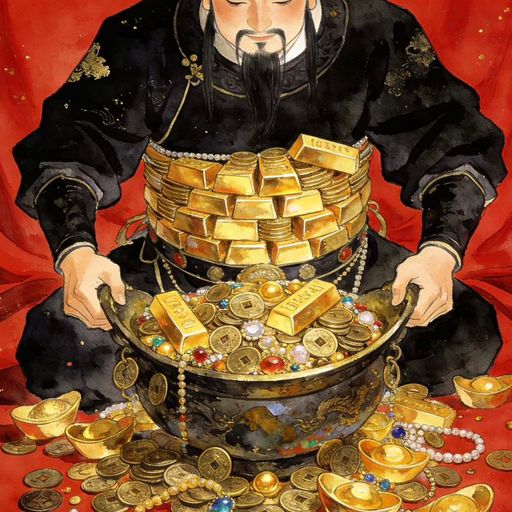
Tokens without prospects: how to identify risky assets and protect your capital
Definition of Shitcoins and Reasons for Their Spread
In the cryptocurrency environment, shitcoins are digital assets that lack real functionality or a solid technological foundation. Such projects differ drastically from proven cryptocurrencies like Bitcoin or Ethereum—they are launched without a clear development plan, with minimal transparency, and often without any technical backing at all.
Novices are attracted to shitcoins because of their affordable price and enticing promises of rapid wealth. However, the reality is much harsher: these assets are high-risk bundles where losing the entire invested capital is a quite probable scenario.
Scale of the Phenomenon: Numbers and Facts
According to data from the analytical platform CoinGecko as of June 5, 2024, the cryptocurrency market has over 10,000 different tokens. A significant portion of them fall into the shitcoin category, accounting for 15–20% of the total trading volume. An alarming fact: the average lifespan of such projects rarely exceeds a few months.
In May 2024 alone, more than 300 cases of sharp declines in the value of low-quality tokens were recorded, with investors’ total losses exceeding $120 million. Typical signs of a shitcoin include the absence of a detailed roadmap, an unknown development team, aggressive marketing campaigns, and the inability to get listed on reputable exchanges.
Main Threats: From Volatility to Fraud
The primary danger lies in extreme volatility and the risk of complete zeroing out of the asset’s value. Shitcoins often serve as tools for outright fraud, including so-called rug pull schemes, where project creators unexpectedly withdraw all liquidity and disappear.
According to the analytical company Chainalysis, in 2023 alone, damages from such scams amounted to $2.8 billion. This figure demonstrates the scale of the problem and the need for increased caution.
Methods of Investment Protection
To minimize risks, investors should follow several simple but effective rules:
It is important to use reliable services that conduct strict asset selection before adding them to the platform and perform ongoing monitoring to detect suspicious activity.
Regulatory Tightening and Countermeasures
Regulatory authorities in the USA and the European Union are increasing pressure on the issuance and promotion of new tokens. According to The Block’s report from June 2, 2024, this trend will intensify in the coming months. The goal is to reduce the number of fraudulent projects and protect retail investors.
Major platforms responded by strengthening internal controls, actively collaborating with research firms, and implementing procedures for identifying potentially dangerous assets. In May 2024, a series of educational initiatives was launched aimed at teaching users how to recognize shitcoins and manage portfolio risks.
Practical Recommendations for Beginner Traders
If you are just starting your journey in cryptocurrency investing, pay attention to the following tips:
Remember: promises of quick wealth are a sure sign to be cautious. A professional approach to asset selection and continuous knowledge improvement are your best shields against scammers and losing investments.
Conclusion: Knowledge as a Tool for Protection
A shitcoin is not just a trendy term but a real and serious threat to inexperienced market participants. Understanding the mechanisms behind risky assets, studying statistics, and reviewing historical examples will help you make informed decisions. Continuous learning, critical thinking, and discipline are the three pillars on which a successful investment strategy in the volatile crypto market is built.