

Trade
Basic
Futures
Futures
Hundreds of contracts settled in USDT or BTC
Options
HOT
Trade European-style vanilla options
Unified Account
Maximize your capital efficiency
Demo Trading
Futures Kickoff
Get prepared for your futures trading
Futures Events
Participate in events to win generous rewards
Demo Trading
Use virtual funds to experience risk-free trading
Earn
Launch
CandyDrop
Collect candies to earn airdrops
Launchpool
Quick staking, earn potential new tokens
HODLer Airdrop
Hold GT and get massive airdrops for free
Launchpad
Be early to the next big token project
Alpha Points
NEW
Trade on-chain assets and enjoy airdrop rewards!
Futures Points
NEW
Earn futures points and claim airdrop rewards
Investment
Simple Earn
Earn interests with idle tokens
Auto-Invest
Auto-invest on a regular basis
Dual Investment
Buy low and sell high to take profits from price fluctuations
Soft Staking
Earn rewards with flexible staking
Crypto Loan
0 Fees
Pledge one crypto to borrow another
Lending Center
One-stop lending hub
VIP Wealth Hub
Customized wealth management empowers your assets growth
Private Wealth Management
Customized asset management to grow your digital assets
Quant Fund
Top asset management team helps you profit without hassle
Staking
Stake cryptos to earn in PoS products
Smart Leverage
NEW
No forced liquidation before maturity, worry-free leveraged gains
GUSD Minting
Use USDT/USDC to mint GUSD for treasury-level yields

More






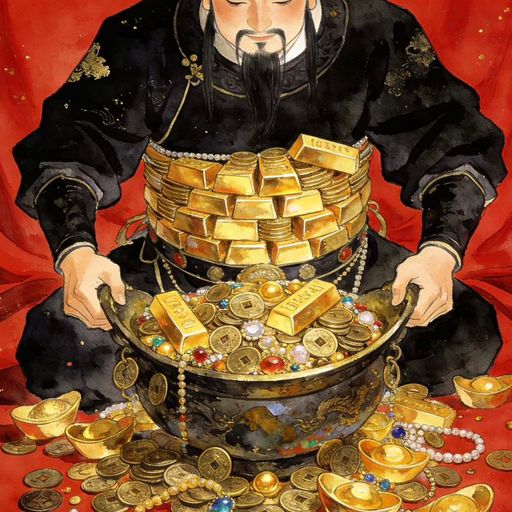
Gold Trading in 2012: Historical Price Data and Market Analysis
Examining gold price in 2012 offers valuable perspective on how traditional assets performed during a period of significant global financial turbulence. This comprehensive review explores the year’s price movements, the macroeconomic drivers behind those shifts, and what investors can learn from this historical snapshot.
Price Movements Throughout 2012
During 2012, gold functioned as a critical refuge for capital amid widespread economic concerns. Market data indicates an annual average of approximately $1,669 per ounce, sourced from World Gold Council statistics released in early 2013.
The year’s trajectory showed distinct phases:
This gold price 2012 data reveals both the asset’s resilience and its sensitivity to shifting market conditions throughout the year.
Market Drivers and Economic Context
Multiple interconnected factors shaped gold’s trajectory during 2012. The European debt situation continued to weigh on sentiment, while central bank interventions introduced fresh dynamics into commodity markets.
Monetary Policy Effects: The U.S. Federal Reserve’s announcement of a third quantitative easing program in September 2012 catalyzed substantial upward pressure on gold. Investors increasingly sought assets perceived as protection against currency devaluation and inflation.
Regional Economic Pressures: The unresolved Eurozone crisis and sluggish U.S. economic recovery prompted sustained institutional and retail demand for gold as a wealth preservation tool.
Demand from Major Economies: According to World Gold Council data, purchasing activity from China and India remained consistently strong, providing underlying support for price levels throughout the period.
Comparative Market Perspective
In 2012, gold dominated the safe-haven asset category with a global trading volume exceeding $100 billion daily. The metal’s established infrastructure, physical backing, and centuries-long acceptance made it the primary choice for risk-averse portfolios.
The landscape has since evolved considerably. The emergence of blockchain-based assets and distributed finance mechanisms has created alternative pathways for portfolio diversification. While gold price 2012 anchored traditional wealth preservation strategies, today’s investors evaluate a broader spectrum of asset classes when constructing resilient portfolios.
Investment Lessons from Historical Analysis
Reviewing 2012 gold price data illustrates several enduring principles:
Price Volatility is Normal: Gold fluctuates in response to policy announcements, geopolitical developments, and shifting investor preferences—despite its reputation for stability. A $200 range between yearly high and low points demonstrates this dynamic.
Diversification Matters: Assets performing well during uncertain periods deserve consideration within balanced portfolios, particularly when uncertainty indicators rise.
Data-Driven Decisions: Investors who grounded their strategies in actual historical performance—rather than assumptions—positioned themselves more effectively for market changes.
Takeaway for Modern Investors
Understanding how gold performed in 2012 provides context for evaluating long-term asset allocation strategies. The year demonstrated gold’s reliability as a crisis-responsive asset while highlighting the importance of monitoring macroeconomic indicators and central bank actions. Whether seeking to understand historical commodity markets or evaluating contemporary investment options, this perspective on 2012’s gold dynamics remains analytically relevant.