

Trade
Basic
Futures
Futures
Hundreds of contracts settled in USDT or BTC
Options
HOT
Trade European-style vanilla options
Unified Account
Maximize your capital efficiency
Demo Trading
Futures Kickoff
Get prepared for your futures trading
Futures Events
Participate in events to win generous rewards
Demo Trading
Use virtual funds to experience risk-free trading
Earn
Launch
CandyDrop
Collect candies to earn airdrops
Launchpool
Quick staking, earn potential new tokens
HODLer Airdrop
Hold GT and get massive airdrops for free
Launchpad
Be early to the next big token project
Alpha Points
NEW
Trade on-chain assets and enjoy airdrop rewards!
Futures Points
NEW
Earn futures points and claim airdrop rewards
Investment
Simple Earn
Earn interests with idle tokens
Auto-Invest
Auto-invest on a regular basis
Dual Investment
Buy low and sell high to take profits from price fluctuations
Soft Staking
Earn rewards with flexible staking
Crypto Loan
0 Fees
Pledge one crypto to borrow another
Lending Center
One-stop lending hub
VIP Wealth Hub
Customized wealth management empowers your assets growth
Private Wealth Management
Customized asset management to grow your digital assets
Quant Fund
Top asset management team helps you profit without hassle
Staking
Stake cryptos to earn in PoS products
Smart Leverage
NEW
No forced liquidation before maturity, worry-free leveraged gains
GUSD Minting
Use USDT/USDC to mint GUSD for treasury-level yields

More


Trending Topics
View More1.4K Popularity
324.76K Popularity
35.72K Popularity
186 Popularity
186 Popularity




Pin
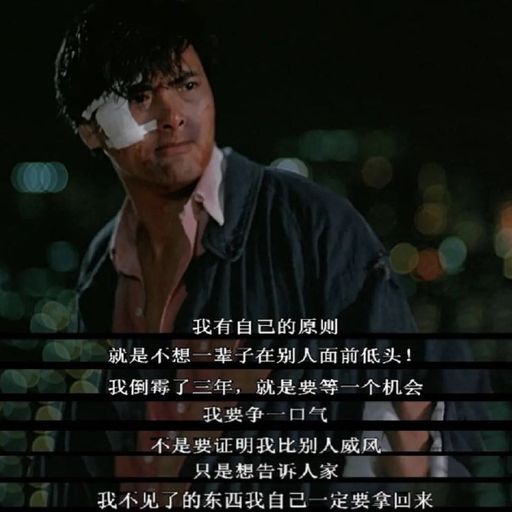
A phenomenon in the crypto world in 2026 is particularly popular—Chinese Meme Coins. A dialect joke or an interaction with a KOL can push the price up by thousands of times. Sounds impressive, right? But you need to know the truth behind it: over 90% of these projects end up losing everything.
So how can you survive or even make money in this game? The key is to understand the套路 of rapid surges and then hold the line.
**Why these coins can skyrocket**
Cultural memes are the primary driving force. "Laozi Coin" breaks out of the dialect barrier, and "I’m coming, damn it" uses emotional outbursts to attract attention. There are also those called "Satoshi Nakamoto."