

Trade
Basic
Futures
Futures
Hundreds of contracts settled in USDT or BTC
Options
HOT
Trade European-style vanilla options
Unified Account
Maximize your capital efficiency
Demo Trading
Futures Kickoff
Get prepared for your futures trading
Futures Events
Participate in events to win generous rewards
Demo Trading
Use virtual funds to experience risk-free trading
Earn
Launch
CandyDrop
Collect candies to earn airdrops
Launchpool
Quick staking, earn potential new tokens
HODLer Airdrop
Hold GT and get massive airdrops for free
Launchpad
Be early to the next big token project
Alpha Points
NEW
Trade on-chain assets and enjoy airdrop rewards!
Futures Points
NEW
Earn futures points and claim airdrop rewards
Investment
Simple Earn
Earn interests with idle tokens
Auto-Invest
Auto-invest on a regular basis
Dual Investment
Buy low and sell high to take profits from price fluctuations
Soft Staking
Earn rewards with flexible staking
Crypto Loan
0 Fees
Pledge one crypto to borrow another
Lending Center
One-stop lending hub
VIP Wealth Hub
Customized wealth management empowers your assets growth
Private Wealth Management
Customized asset management to grow your digital assets
Quant Fund
Top asset management team helps you profit without hassle
Staking
Stake cryptos to earn in PoS products
Smart Leverage
NEW
No forced liquidation before maturity, worry-free leveraged gains
GUSD Minting
Use USDT/USDC to mint GUSD for treasury-level yields

More






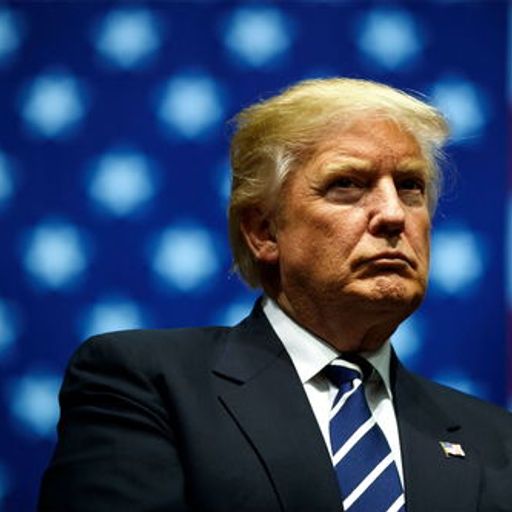
Oil Market Pulls Back as Geopolitical Tensions Show Signs of De-escalation
Crude oil futures experienced a sharp selloff on Thursday as easing geopolitical tensions in the Middle East prompted traders to reassess the risk premium that had been built into prices. WTI Crude Oil for February delivery dropped $2.83, or 4.56%, settling at $59.19 per barrel, reflecting a notable shift in market sentiment.
The decline was triggered by softening rhetoric from U.S. policymakers, who signaled a less confrontational approach to regional tensions. This marked a reversal from the elevated risk concerns that had previously supported crude prices, as markets had been pricing in potential supply disruptions from one of OPEC’s major producers.
Multiple Factors Weighing on Energy Markets
Beyond Middle Eastern dynamics, the oil market is also digesting competing narratives across different geopolitical theaters. Supply concerns remain elevated due to ongoing conflict in Eastern Europe, where tensions between major regional powers continue to disrupt trade flows and investment in energy infrastructure. Meanwhile, developments in the Caribbean region related to energy sanctions and import restrictions are adding another layer of complexity to global crude supplies.
The Strait of Hormuz remains a critical focal point for traders, as any disruption to this strategic waterway could severely impact global oil transportation. However, with tensions appearing to moderate, the market is recalibrating its outlook.
Fed Policy and Economic Data Shape Broader Outlook
On the domestic front, recent statements from Federal Reserve officials indicate the central bank is prioritizing inflation reduction while acknowledging underlying strength in employment metrics. December payroll data showed resilience in the labor market, which some analysts suggest could limit aggressive rate cuts in the near term. This scenario—characterized by steady hiring and stable employment—has implications for oil demand through its impact on overall economic activity.
Additionally, the U.S. Supreme Court’s decision to postpone a ruling on tariff authority introduces further uncertainty about trade policies that could affect energy markets and broader economic growth.
Market Takeaway
The crude oil selloff reflects a complex interplay of geopolitical risk reduction, OPEC supply considerations, and macroeconomic positioning. While tensions remain a structural concern for long-term markets, the recent shift in tone has allowed traders to step back and reassess valuations against fundamental supply-demand dynamics.