

Trade
Basic
Futures
Futures
Hundreds of contracts settled in USDT or BTC
TradFi
Gold
Trade global traditional assets with USDT in one place
Options
Hot
Trade European-style vanilla options
Unified Account
Maximize your capital efficiency
Demo Trading
Futures Kickoff
Get prepared for your futures trading
Futures Events
Participate in events to win generous rewards
Demo Trading
Use virtual funds to experience risk-free trading
Earn
Launch
CandyDrop
Collect candies to earn airdrops
Launchpool
Quick staking, earn potential new tokens
HODLer Airdrop
Hold GT and get massive airdrops for free
Launchpad
Be early to the next big token project
Alpha Points
New
Trade on-chain assets and enjoy airdrop rewards!
Futures Points
New
Earn futures points and claim airdrop rewards
Investment
Simple Earn
Earn interests with idle tokens
Auto-Invest
Auto-invest on a regular basis
Dual Investment
Buy low and sell high to take profits from price fluctuations
Soft Staking
Earn rewards with flexible staking
Crypto Loan
0 Fees
Pledge one crypto to borrow another
Lending Center
One-stop lending hub
VIP Wealth Hub
Customized wealth management empowers your assets growth
Private Wealth Management
Customized asset management to grow your digital assets
Quant Fund
Top asset management team helps you profit without hassle
Staking
Stake cryptos to earn in PoS products
Smart Leverage
New
No forced liquidation before maturity, worry-free leveraged gains
GUSD Minting
Use USDT/USDC to mint GUSD for treasury-level yields

More


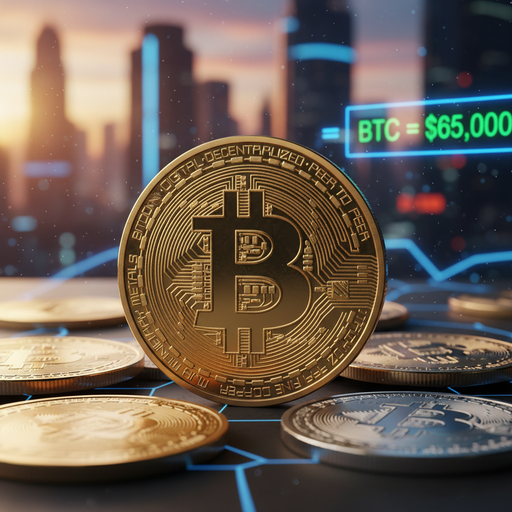




The yield on US Treasury rises, Bitcoin and stocks under pressure
Global financial markets are facing a significant challenge: the yield on U.S. Treasuries is rising rapidly, creating shockwaves that are spreading from Asia to Silicon Valley. Bitcoin, stocks, and other high-risk assets are already feeling the effects of this tightening of credit conditions.
The 10-year Treasury yield has reached 4.27%, the highest level in four months. This figure, which might seem like a simple number to industry insiders, has profound implications for anyone investing in global financial markets. When yields rise, the cost of money increases worldwide—from bank loans to mortgages, from corporate bonds to startup financing.
How the 10-year Treasury influences the global economy
The U.S. 10-year Treasury functions as the “risk-free benchmark” of the global economy. Giants like China and Japan hold trillions of dollars in these securities. When yields go up, all other interest rates in the economy follow suit, both on Wall Street and in Shanghai. Banks price everything else—corporate loans, mortgages, auto loans—adding a premium above the Treasury yield to compensate for risk.
This mechanism creates a situation known as “financial tightening”: as rates rise, investors become more cautious about financing risky projects. Startups struggle to raise capital, companies delay investments, and consumers cut back on spending. High-risk, high-return assets—such as Bitcoin and tech stocks—become less attractive.
What is driving Treasury yields higher?
The main catalyst is foreign policy: President Donald Trump has threatened a 10% tariff on imports from eight European countries starting February 1, with an increase to 25% from June 1. These threats are linked to the attempt to acquire Greenland and have sparked fears of retaliation.
Analysts believe that European investors might resort to selling U.S. bonds as a countermeasure. When government securities are sold, their prices fall and yields rise—a reverse but predictable mechanism. Over the weekend, European leaders strongly criticized Trump’s statements and are considering countermeasures.
Immediate market impact: Bitcoin and stocks retreat
Bitcoin dropped over 1.5%, settling around (88,280) from Asian hours (data updated as of January 29, 2026). Meanwhile, futures linked to the Nasdaq index, representing Wall Street’s tech component, declined more than 1.6%.
This decline reflects the typical behavior of high-risk assets during financial tightening. When Treasury yields rise, savers shift capital toward “safe” securities. The pressure is concentrated on Bitcoin, alternative cryptocurrencies, and high-volatility growth stocks.
Interestingly, despite Bitcoin’s decline, spot ETFs on XRP listed in the US have recorded net inflows of $91.72 million just this month. This suggests some diversification of interests within the crypto market, with some investors maintaining selective exposure.
The global scenario: yields rising worldwide
The phenomenon is not limited to the United States. In Japan, government bond yields have surged in response to Prime Minister Sanae Takaichi’s proposal to cut food taxes—a move that markets interpret as increased future fiscal spending.
Similarly, yields are rising in European advanced economies, as markets price in higher public spending and a growing supply of government bonds. The spiral is global: as more governments finance themselves through bond issuance, supply increases and prices fall, further raising yields.
2-year Treasury: a complementary market signal
In addition to the 10-year Treasury, the 2-year yield is also showing significant dynamics. Although less discussed in mainstream media, the 2-year Treasury yield provides an indicator of short-term expectations for Federal Reserve interest rates. When the yield curve (the relationship between 2-year and 10-year yields) flattens, it often signals economic uncertainty and recession fears, adding further pressure on investors.
What does this mean for investors?
The current situation is a crucial test for the crypto market. The bullish thesis on Bitcoin has traditionally been linked to low interest rates and liquidity support. When Treasury yields rise, this support diminishes. Investors need to reassess whether potential gains from high-risk assets outweigh the opportunity cost of investing in “safe” Treasuries now offering more attractive yields.
The US Treasury yield remains the thermometer of global financial health. As long as it continues to rise, pressure on Bitcoin and high-risk assets will persist, unless sufficiently strong positive catalysts emerge to counteract the ongoing financial tightening.