

Trade
Basic
Futures
Futures
Hundreds of contracts settled in USDT or BTC
TradFi
Gold
Trade global traditional assets with USDT in one place
Options
Hot
Trade European-style vanilla options
Unified Account
Maximize your capital efficiency
Demo Trading
Futures Kickoff
Get prepared for your futures trading
Futures Events
Participate in events to win generous rewards
Demo Trading
Use virtual funds to experience risk-free trading
Earn
Launch
CandyDrop
Collect candies to earn airdrops
Launchpool
Quick staking, earn potential new tokens
HODLer Airdrop
Hold GT and get massive airdrops for free
Launchpad
Be early to the next big token project
Alpha Points
Trade on-chain assets and enjoy airdrop rewards!
Futures Points
Earn futures points and claim airdrop rewards
Investment
Simple Earn
Earn interests with idle tokens
Auto-Invest
Auto-invest on a regular basis
Dual Investment
Buy low and sell high to take profits from price fluctuations
Soft Staking
Earn rewards with flexible staking
Crypto Loan
0 Fees
Pledge one crypto to borrow another
Lending Center
One-stop lending hub
VIP Wealth Hub
Customized wealth management empowers your assets growth
Private Wealth Management
Customized asset management to grow your digital assets
Quant Fund
Top asset management team helps you profit without hassle
Staking
Stake cryptos to earn in PoS products
Smart Leverage
New
No forced liquidation before maturity, worry-free leveraged gains
GUSD Minting
Use USDT/USDC to mint GUSD for treasury-level yields

More


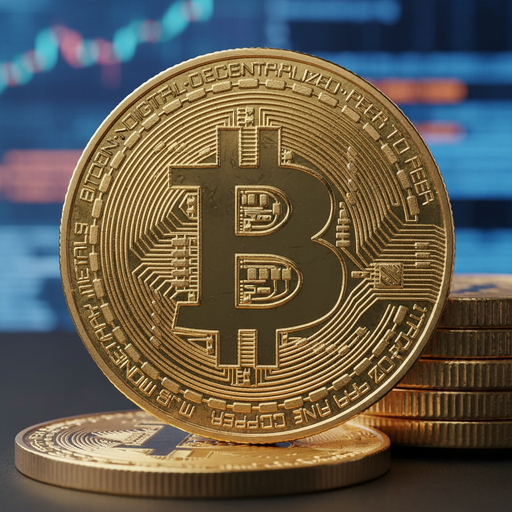




#加密市场观察
Today marks my 594th consecutive day of posting updates, without a single break. Every post is prepared with care, not just rushed out. [微笑] If you think I am a serious person, you can walk with me, and I hope the daily content can help you. The world is vast, and I am small. Follow me so you don’t have to look hard. [微笑][微笑]
The impact of the gold and silver crash has also affected this circle. Not only has capital not flowed back in, but panic has also been triggered. Fake coins are even more disastrous, with some prices approaching the 10.10 black swan level. Those who have managed to survive until now have surpassed 90% of the market.
There have been two major surges in gold and silver historically, and both ended badly. The first was from 1979 to 1980, when gold jumped from $200 to $850 in a year. After peaking, gold was halved in two months, and silver dropped by two-thirds, entering a 20-year long freeze period. The second was from 2010 to 2011, when gold rose from 1000 to 1921, and silver again reached 50. After the surge, gold experienced a maximum retracement of 45%, and silver fell by 70%, followed by years of sideways decline.
The commonality between these two instances is clear: they were not normal bull markets but emotional pricing under extreme macroeconomic pressure. Oil crises, hyperinflation, and post-financial crisis liquidity injections— the crazier the rise, the harsher the fall afterward, almost becoming a rule.
Now, this cycle has a new script: central banks buying gold, de-dollarization, and silver along with industrial demand supporting the price. Many believe this time is different; with central banks involved, the decline will be limited. But history repeatedly shows one thing: whenever there is such a level of explosive growth, retracements are never gentle. Those who believe in a long-term gold bull run and those who think the crypto market still has more downside are in the same camp. #加密市场观察
Today marks my 594th consecutive day of posting updates, without a single break. Every post is prepared with care, not just rushed out. [微笑] If you think I am a serious person, you can walk with me, and I hope the daily content can help you. The world is vast, and I am small. Follow me so you don’t have to look hard. [微笑][微笑]
The impact of the gold and silver crash has also affected this circle. Not only has capital not flowed back in, but panic has also been triggered. Fake coins are even more disastrous, with some prices approaching the 10.10 black swan level. Those who have managed to survive until now have surpassed 90% of the market.
There have been two major surges in gold and silver historically, and both ended badly. The first was from 1979 to 1980, when gold jumped from $200 to $850 in a year. After peaking, gold was halved in two months, and silver dropped by two-thirds, entering a 20-year long freeze period. The second was from 2010 to 2011, when gold rose from 1000 to 1921, and silver again reached 50. After the surge, gold experienced a maximum retracement of 45%, and silver fell by 70%, followed by years of sideways decline.
The commonality between these two instances is clear: they were not normal bull markets but emotional pricing under extreme macroeconomic pressure. Oil crises, hyperinflation, and post-financial crisis liquidity injections— the crazier the rise, the harsher the fall afterward, almost becoming a rule.
Now, this cycle has a new script: central banks buying gold, de-dollarization, and silver along with industrial demand supporting the price. Many believe this time is different; with central banks involved, the decline will be limited. But history repeatedly shows one thing: whenever there is such a level of explosive growth, retracements are never gentle. Those who believe in a long-term gold bull run and those who think the crypto market still has more downside are in the same camp.