

Trade
Basic
Futures
Futures
Hundreds of contracts settled in USDT or BTC
TradFi
Gold
Trade global traditional assets with USDT in one place
Options
Hot
Trade European-style vanilla options
Unified Account
Maximize your capital efficiency
Demo Trading
Futures Kickoff
Get prepared for your futures trading
Futures Events
Participate in events to win generous rewards
Demo Trading
Use virtual funds to experience risk-free trading
Earn
Launch
CandyDrop
Collect candies to earn airdrops
Launchpool
Quick staking, earn potential new tokens
HODLer Airdrop
Hold GT and get massive airdrops for free
Launchpad
Be early to the next big token project
Alpha Points
Trade on-chain assets and enjoy airdrop rewards!
Futures Points
Earn futures points and claim airdrop rewards
Investment
Simple Earn
Earn interests with idle tokens
Auto-Invest
Auto-invest on a regular basis
Dual Investment
Buy low and sell high to take profits from price fluctuations
Soft Staking
Earn rewards with flexible staking
Crypto Loan
0 Fees
Pledge one crypto to borrow another
Lending Center
One-stop lending hub
VIP Wealth Hub
Customized wealth management empowers your assets growth
Private Wealth Management
Customized asset management to grow your digital assets
Quant Fund
Top asset management team helps you profit without hassle
Staking
Stake cryptos to earn in PoS products
Smart Leverage
New
No forced liquidation before maturity, worry-free leveraged gains
GUSD Minting
Use USDT/USDC to mint GUSD for treasury-level yields

More


Trending Topics
View More284.88K Popularity
89.19K Popularity
411.49K Popularity
108.35K Popularity
15.46K Popularity


Pin
#我在Gate广场过新年
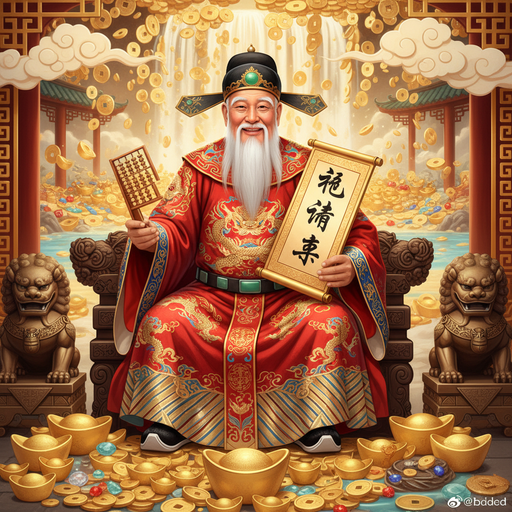
The fifth day of the Lunar New Year, welcoming the Five Road Gods of Wealth! Little gods wish everyone good luck, prosperity, and high spirits; gather wealth from all directions, achieve a glorious career, succeed instantly, and enjoy wealth and health! Let’s take a look at what’s special about the fifth day:
1. Breaking Taboos: Returning to normal life from the “New Year Mode”
“Breaking Five” means breaking away from restrictions. From New Year’s Eve to the fourth day, there are many taboos among the folk, such as not sweeping the floor, not throwing out trash, not sewing or mending, and not speaking inauspicious words, all to avoid bad luck or sweeping away wealth. On the fifth day, these rules can all be broken, hence called “Breaking Five.” From this day on, people begin to resume normal work, shops open one after another, and office workers prepare to return to work, symbolizing that the New Year’s life is officially back on track.
2. Sending Away the Poverty God: Sweeping away bad luck and welcoming freshness
An important ritual on the fifth day is “sending away the poverty.” Ancient people believed that the garbage accumulated during the Spring Festival symbolized “poverty soil” and “poverty ash,” containing the old year’s bad luck and gloom, which must be thoroughly swept out on this day.
The direction of cleaning is important: it must be swept from inside the house outward, symbolizing driving away poverty and gloom from the home.
Setting off firecrackers to “burst poverty”: while sweeping, set off firecrackers, especially “Er Tiaoqiao” (two small firecrackers), called “bursting poverty,” symbolizing driving away demons and bad luck.
3. Welcoming the God of Wealth: Attracting wealth and praying for prosperity
The fifth day of the first lunar month is considered the birthday of the God of Wealth, especially valued by merchants. Many shops choose this day to “open for business,” hoping for a “good start.”
Time for welcoming wealth: mostly from midnight of the fourth day to early morning of the fifth day, called “抢路头” (抢 means to seize or rush), meaning to rush to welcome the God of Wealth first and win good luck for the whole year.
Offerings: common offerings include sheep’s head (symbolizing “auspiciousness”) and carp (homophone for “surplus,” symbolizing “year after year surplus”).
Burning incense and worship: light incense and candles, pray sincerely, hoping the God of Wealth brings gold, silver, and prosperity to the business.
4. Eating Dumplings: More than just a delicacy, it’s a ritual
Eating dumplings on the fifth day is a must. These dumplings are called “pinching the little person’s mouth” or “wealth ingots.”
Shape resembles ingots: symbolizing attracting wealth and treasure.
Pinching the edges of the dumplings: symbolizes “pinching the little person’s mouth,” to prevent disputes and gossip in the new year.
Sound when chopping the filling: the “dong dong” sound made when chopping the dumpling filling is called “chopping the little person,” symbolizing cutting off troubles and disturbances.