# USIsraelStrikesIranBTCPlunges

9.24K
#USIsraelStrikesIranBTCPlunges
The phrase describing U.S.–Israel strikes on Iran alongside Bitcoin’s plunge spread rapidly across global trading desks within minutes of the breaking news, capturing the direct collision between geopolitics and crypto volatility. On February 28, 2026, U.S. President Donald Trump confirmed that the United States and Israel had launched coordinated military strikes against targets in Iran. Reports of explosions in Tehran and retaliatory missile and drone responses followed quickly.
Within minutes, crypto markets reacted sharply. Bitcoin plunged as much as 3.8% to
BTC2,51%
ETH5,42%
HighAmbitionvip
#USIsraelStrikesIranBTCPlunges
The phrase describing U.S.–Israel strikes on Iran alongside Bitcoin’s plunge spread rapidly across global trading desks within minutes of the breaking news, capturing the direct collision between geopolitics and crypto volatility. On February 28, 2026, U.S. President Donald Trump confirmed that the United States and Israel had launched coordinated military strikes against targets in Iran. Reports of explosions in Tehran and retaliatory missile and drone responses followed quickly.
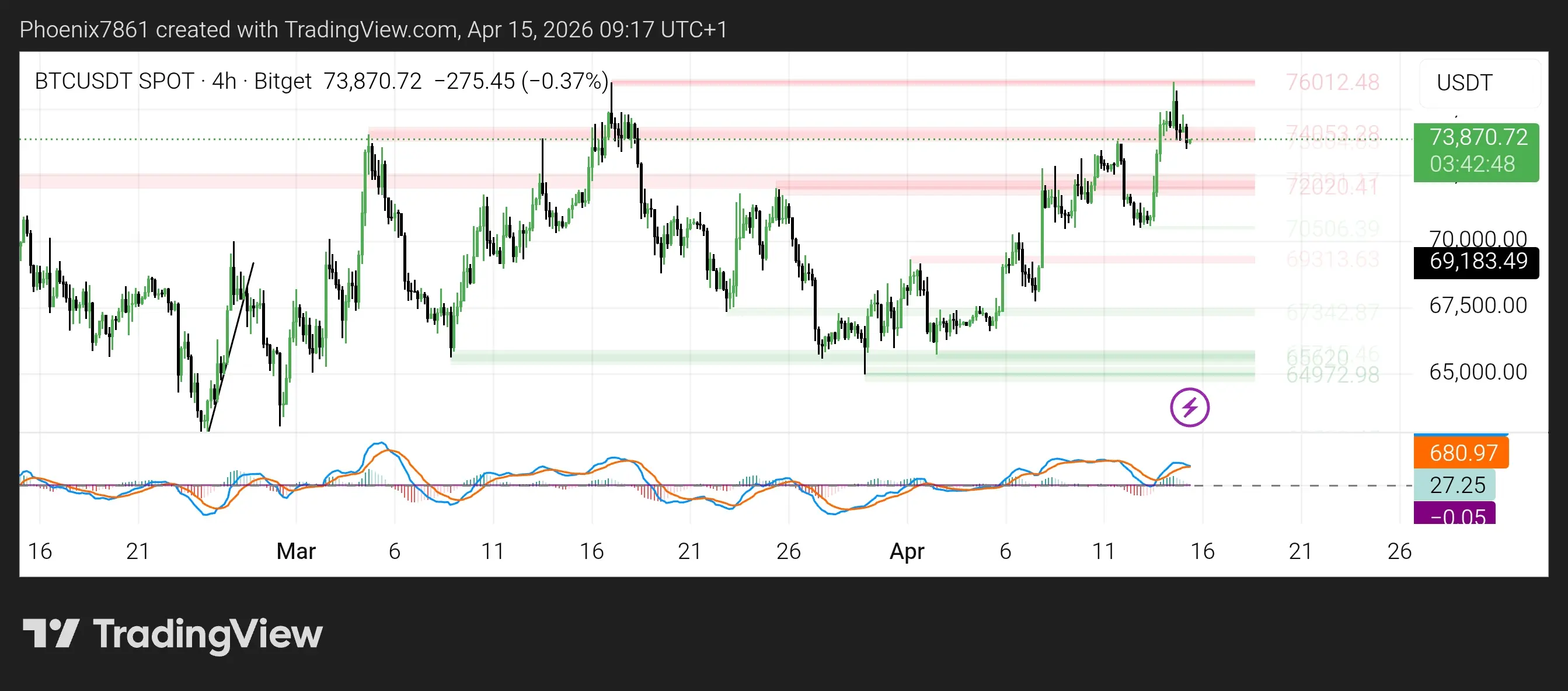
Within minutes, crypto markets reacted sharply. Bitcoin plunged as much as 3.8% to $66,665, while Ethereum fell 4.5% to $1,835. Approximately $128 billion was erased from the total crypto market capitalization in just hours.
This is a complete structural breakdown of what happened, why it happened, and what comes next.
1. What the Event Represents
The situation merges two simultaneous shocks:
A major Middle East military escalation.
An immediate synchronized crypto sell-off.
It reflects how even in 2026 — with ETFs, institutional adoption, and deeper liquidity — crypto markets remain highly sensitive to real-world geopolitical risk.
2. Full Timeline of Events (February 27–28, 2026)
Feb 27 (U.S. evening): Signals of potential action emerge from Washington.
Early Feb 28 (Middle East time): Israeli strikes reported across multiple Iranian sites.
Saturday morning U.S. time: Official confirmation of coordinated operations.
Minutes later: BTC drops from ~$65,500 to $66,665. ETH falls sharply.
Hours later: Iranian retaliation reported. Oil and gold spike.
By 6 a.m. New York time: BTC stabilizes around $64,000–$64,150, but total crypto market cap remains ~$128B lower than pre-news levels.
3. Price Action & Liquidation Cascade
The drop was sharp but technically orderly.
Bitcoin: –3.8% intraday at the low.
Ethereum: –4.5%.
Altcoins: Many fell 5–8%.
Liquidations: Estimated $500–600 million in long positions wiped out within hours.
Funding Rates: Turned negative as shorts increased exposure.
Stablecoin volumes: Spiked as traders rotated to defensive positioning.
Crypto’s 24/7 structure amplifies reaction speed. There is no trading halt — panic unfolds globally in real time.
4. Why Geopolitical Shocks Hit Bitcoin So Fast
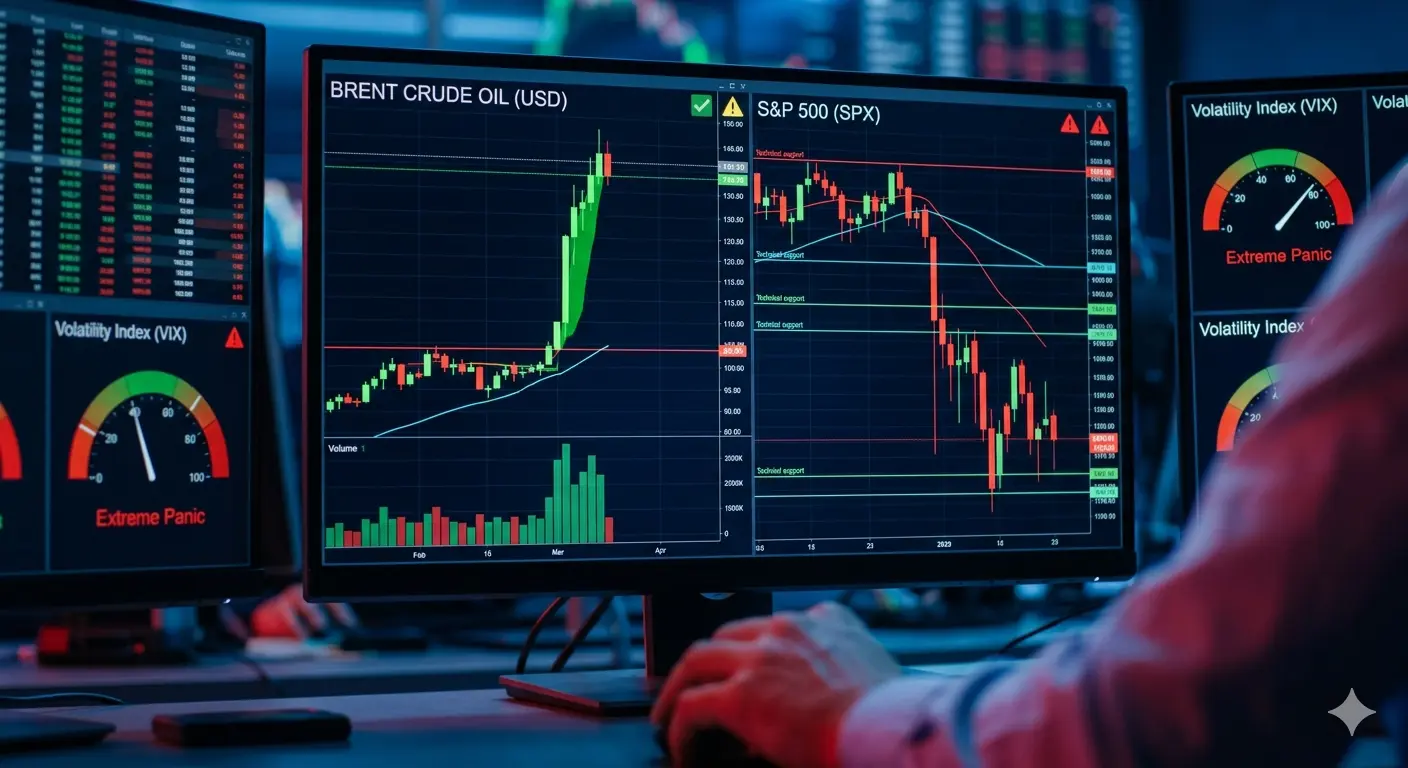
Despite the “digital gold” narrative, Bitcoin behaves like a high-beta risk asset during sudden crises.
When war headlines hit:
Investors shift into U.S. Treasuries and the dollar.
Gold rallies as a traditional safe haven.
Risk assets are reduced.
Leveraged positions unwind rapidly.
Crypto’s leverage structure — often 10x to 100x — turns moderate selling into cascading liquidations.
5. The Exact Flash-Crash Mechanism
Breaking news spreads across trading terminals and social platforms.
Algorithmic risk models trigger automated selling.
Stop-loss clusters around $64,500–$64,000 activate.
Liquidation waterfalls accelerate downside momentum.
Retail panic spreads rapidly.
Stabilization begins once leverage is flushed and buyers step in.
This pattern has repeated across nearly every geopolitical shock in crypto history.
6. Historical Precedents – The Recurring Pattern
History shows that geopolitical shocks consistently trigger sharp but temporary sell-offs in Bitcoin.
Russia–Ukraine (Feb 2022): BTC dropped ~15%, recovered within weeks.
Israel–Hamas war (Oct 2023): BTC fell ~5%, regained strength within a week.
U.S.–Iran prior actions (June 2025): ~8% decline, rebounded within ~10 days.
Compared to those episodes, the February 28, 2026 drop of 3.8% to $66,665 appears relatively contained. The pattern remains consistent: initial panic, leverage flush, stabilization, then narrative recalibration.
7. Impact Across the Broader Crypto Ecosystem
Ethereum fell harder due to higher beta exposure and DeFi sensitivity. Major altcoins declined between 5–8%. Stablecoins saw heavy inflows as traders sought temporary safety. Crypto-related equities opened significantly lower in pre-market trading.
The move was broad-based — not isolated.
8. On-Chain & Sentiment Signals
Exchange inflows increased sharply.
Perpetual funding flipped negative.
Fear & Greed Index moved deeper into “Fear.”
Social sentiment skewed bearish in early hours.
Long-term holders quickly began positioning for potential recovery, suggesting structural confidence remains intact.
9. Psychological Drivers Behind the Drop
War headlines trigger uncertainty:
Escalation risk.
Oil supply disruption.
Inflation spike concerns.
Sanctions and trade impact.
Even strong hands may temporarily reduce exposure during peak uncertainty. Markets price fear first, clarity later.
10. Short-Term vs Long-Term Outlook
Short-Term Risks:
Possible retest of $60,000–$62,000 if escalation widens.
Continued volatility tied to oil prices and retaliation headlines.
Long-Term Pattern:
Bitcoin has historically recovered from every geopolitical event once uncertainty fades. If conflict remains contained, narrative shifts back toward monetary debasement and systemic instability — environments where Bitcoin often strengthens over time.
11. Macro Ripple Effects
Oil surged on supply concerns.
Gold rallied sharply.
U.S. dollar strengthened.
Equity futures turned negative.
Rate-cut expectations may adjust depending on inflation impact.
Crypto is reacting within a broader global risk-off environment.
12. Safe Haven or Risk Asset?
In theory, Bitcoin is decentralized, scarce, and censorship-resistant. In practice, during sudden crises, it trades similarly to technology stocks — highly sensitive to liquidity and sentiment.
Long-term monetary instability benefits Bitcoin. Short-term war shocks pressure it. Both realities can coexist.
13. Key Signals to Watch Next
Diplomatic de-escalation statements.
Oil price stabilization.
BTC holding above $62,000–$63,000.
Declining liquidation volumes.
Funding rates normalizing.
Traditional markets avoiding further panic.
These factors will determine whether this remains a brief shock or evolves into a broader correction.
14. Investment Implications
Avoid excessive leverage.
Expect elevated volatility.
Monitor macro cross-asset signals.
Consider structured dollar-cost averaging on weakness.
Maintain liquidity reserves for flexibility.
Historically, panic phases have offered opportunity — but only when managed with discipline.
15. Final Perspective
This event is a real-time demonstration of crypto’s sensitivity to geopolitical shocks. The $128 billion wipeout was sharp but orderly compared to prior crises. Leverage was flushed quickly, and stabilization followed.
Geopolitical events create volatility. They do not alter Bitcoin’s core fundamentals: scarcity, decentralization, and global accessibility.
The headline is new. The market pattern is not. Those who understand that distinction navigate volatility differently than those who react emotionally.
repost-content-media
  • Reward
  • Comment
  • Repost
  • Share
$BTC social activity is nearing a 52-week high.
What is everyone posting about?
In the last 12 hours, Bitcoin got hit with airstrikes on Iran, $209M in liquidations, and BlackRock selling $33M worth of BTC.
It closed the day above $65K.
While that was happening: Morgan Stanley filed to custody crypto for its 18 million clients. Citi announced it's treating BTC like a stock or bond inside its institutional infrastructure. Block quietly added 103 more coins.
The fear/greed index is sitting at 9. Extreme fear.
Social mentions just hit a 52-week high at 337K. Social dominance doubled its daily av
BTC2,51%
post-image
  • Reward
  • Comment
  • Repost
  • Share
#USIsraelStrikesIranBTCPlunges
The phrase describing U.S.–Israel strikes on Iran alongside Bitcoin’s plunge spread rapidly across global trading desks within minutes of the breaking news, capturing the direct collision between geopolitics and crypto volatility. On February 28, 2026, U.S. President Donald Trump confirmed that the United States and Israel had launched coordinated military strikes against targets in Iran. Reports of explosions in Tehran and retaliatory missile and drone responses followed quickly.
Within minutes, crypto markets reacted sharply. Bitcoin plunged as much as 3.8% to
BTC2,51%
ETH5,42%
post-image
post-image
post-image
  • Reward
  • 4
  • Repost
  • Share
BlackRiderCryptoLordvip:
thanks for sharing information about crypto market thanks for sharing information dear sir
View More
#USIsraelStrikesIranBTCPlunges 🌍📉
As of March 1, 2026 (6:00 AM PKT), Bitcoin is trading near $63,030, falling below the key $64,000 support level amid escalating geopolitical tensions in the Middle East.
Markets are reacting sharply to uncertainty.
📊 Technical & Market Impact
Liquidation Event:
Approximately $260M in leveraged positions were liquidated within hours, with long positions accounting for the majority of forced exits.
BTC vs Gold Reaction:
Traditional safe-haven assets strengthened, while Bitcoin declined over 4% intraday. Risk-off positioning is clearly dominating short-term fl
BTC2,51%
post-image
post-image
  • Reward
  • 3
  • Repost
  • Share
HighAmbitionvip:
thnxx for the update
View More
#USIsraelStrikesIranBTCPlunges
US OCC Stablecoin Framework 2026 – Deep Structural Analysis, Systemic Implications, and Long-Term Market Transformation
In March 2026, the Office of the Comptroller of the Currency introduced a comprehensive regulatory architecture for fiat-backed stablecoins operating within the United States banking perimeter. This framework does not merely clarify compliance obligations; it redefines the legal and financial identity of stablecoins within the U.S. monetary system.
For the first time, stablecoin issuance is being formally integrated into a prudential banking-st
post-image
  • Reward
  • 3
  • Repost
  • Share
ybaservip:
Good luck and prosperity 🧧
View More
#USIsraelStrikesIranBTCPlunges Global markets were sent into shockwaves after reports emerged that the United States and Israel launched coordinated strikes on targets linked to Iran. The sudden geopolitical escalation triggered immediate volatility across financial markets — and as expected, crypto was not spared. Bitcoin saw a sharp sell-off as panic spread, liquidity tightened, and investors rushed toward traditional safe-haven assets.
Within hours of the news breaking, Bitcoin experienced a steep decline, wiping out billions in market capitalization. Traders who were positioned with high l
BTC2,51%
post-image
  • Reward
  • 10
  • Repost
  • Share
HighAmbitionvip:
thanks for sharing information with us
View More
#USIsraelStrikesIranBTCPlunges
As geopolitical tensions in the Middle East reach a fever pitch once again, global financial markets have been swept by a jarring "risk-off" wave. Reports of simultaneous air operations by the United States and Israel targeting strategic sites in Iran have driven investors toward safe-haven assets, triggering a sharp retreat across the digital asset landscape.
​Geopolitical Tension and the Response of Digital Assets
​Following the confirmation of military activity, Bitcoin—the flagship of the cryptocurrency market—erased $128 billion in market value within just
BTC2,51%
ETH5,42%
SOL7,46%
post-image
post-image
  • Reward
  • 6
  • Repost
  • Share
BigBoss07vip:
thnxx for the update information about crypto
View More
#USIsraelStrikesIranBTCPlunges
#DeepCreationCamp
On February 28 and March 1, 2026, the Middle East entered a state of high-intensity conflict following a massive, coordinated military operation by the United States and Israel against Iran, codenamed "Operation Genesis."
The geopolitical shock has sent tremors through global markets, most notably causing a sharp volatility in Bitcoin (BTC) and energy prices.
The Military Escalation
The strikes, which began on the morning of Saturday, February 28, involved approximately 200 Israeli fighter jets and a combination of US Tomahawk missiles, HIMAR
BTC2,51%
post-image
post-image
post-image
post-image
post-image
  • Reward
  • 2
  • Repost
  • Share
LittleQueenvip:
LFG 🔥
View More
Woke up to war headlines and red charts.
In the early hours, BTC, ETH, and most alts dropped fast. Liquidations hit, panic selling kicked in, and it looked ugly for a moment.
Then the market flipped.
Within hours, many coins bounced back 5–7% from the lows.
This is how crypto reacts to global fear:
First reaction → sell everything
Second reaction → smart money buys the panic
Third reaction → price snaps back fast
Uncertainty shakes confidence, but it also reminds people why borderless money matters.
Volatility scares weak hands.
Opportunity rewards calm ones.
Did you sell the fear — or buy the
BTC2,51%
ETH5,42%
post-image
  • Reward
  • 2
  • Repost
  • Share
ybaservip:
Good luck and prosperity 🧧
View More
When War Headlines Hit the Tape: Oil Risk, Political Escalation, and Why Crypto Is Holding Its Ground
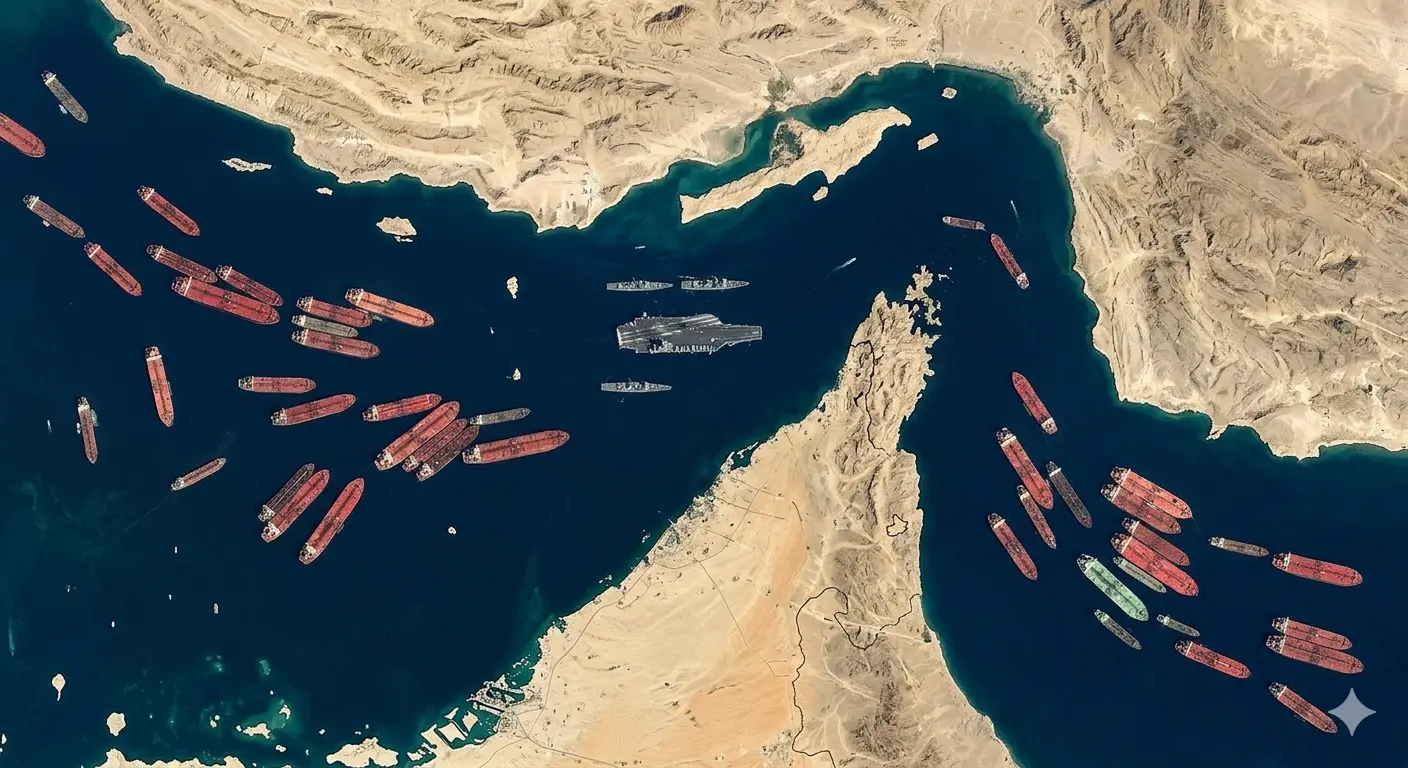
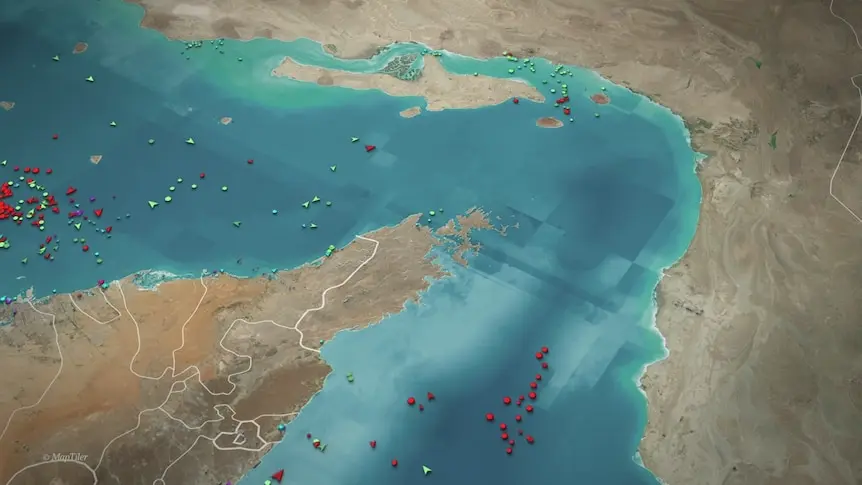
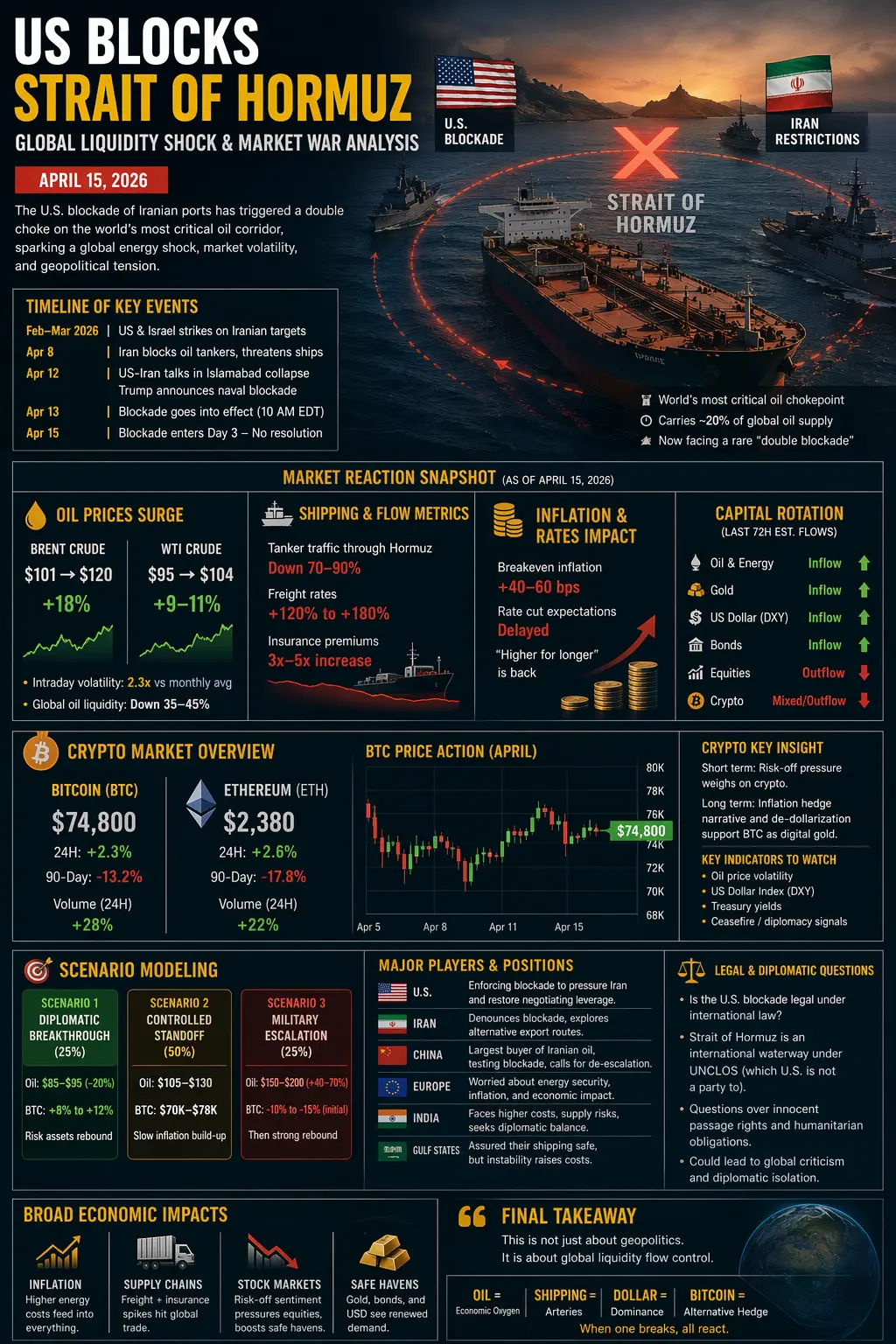
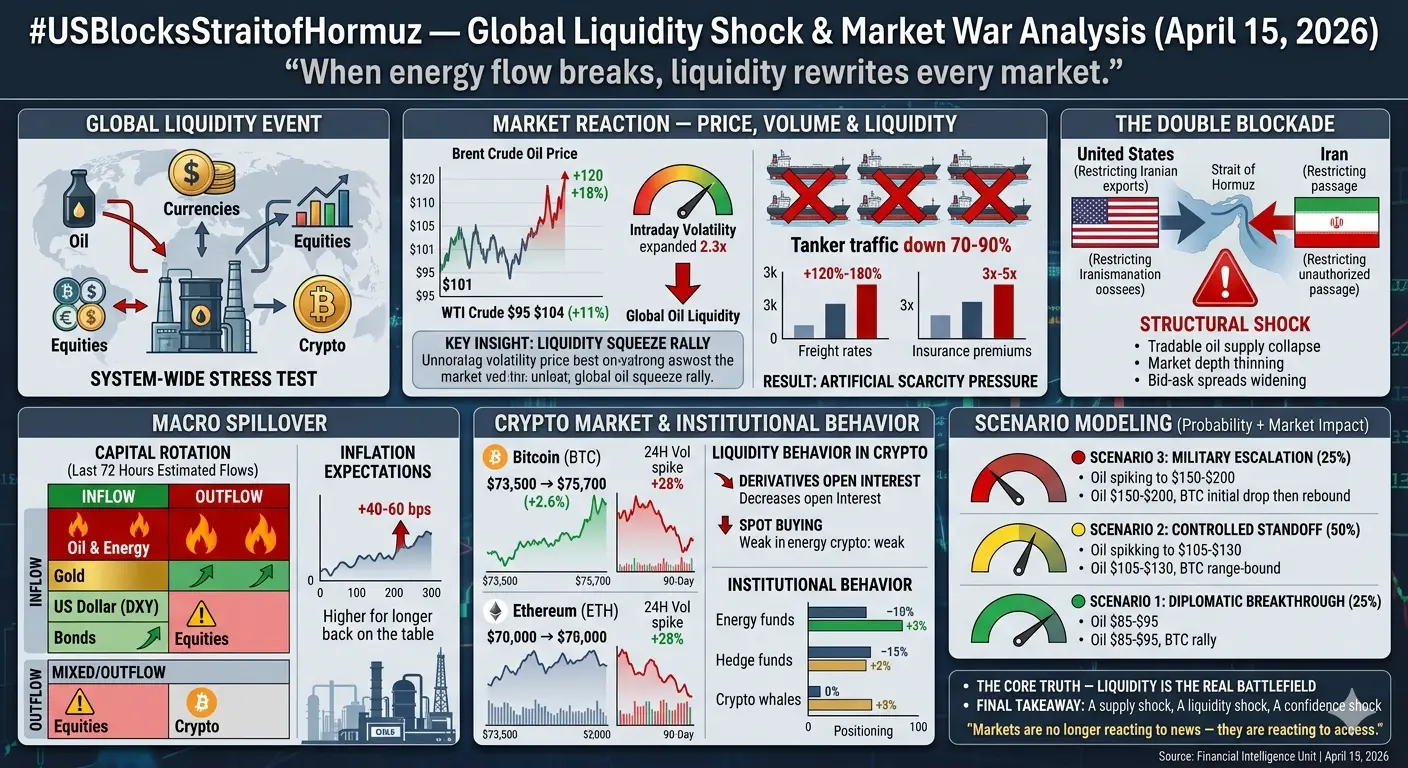
Geopolitical tension has returned to the center of global market pricing, and this time it is not subtle. Escalation involving Iran, renewed rhetoric from Washington, and direct references to the security of the Strait of Hormuz have pushed traders back into a macro-risk framework that goes far beyond daily price candles. When nearly 20% of global oil supply flows through a single narrow shipping corridor, even the suggestion of disruption is enough to reprice crude futures, widen risk premium
BTC2,51%
ETH5,42%
SOL7,46%
post-image
post-image
post-image
post-image
  • Reward
  • Comment
  • Repost
  • Share
Load More
Trade Crypto Anywhere Anytime
qrCode
Scan to download Gate App
Community
  • 简体中文
  • English
  • Tiếng Việt
  • 繁體中文
  • Español
  • Русский
  • Français (Afrique)
  • Português (Portugal)
  • Bahasa Indonesia
  • 日本語
  • بالعربية
  • Українська
  • Português (Brasil)