

Trade
Basic
Futures
Futures
Hundreds of contracts settled in USDT or BTC
TradFi
Gold
Trade global traditional assets with USDT in one place
Options
Hot
Trade European-style vanilla options
Unified Account
Maximize your capital efficiency
Demo Trading
Futures Kickoff
Get prepared for your futures trading
Futures Events
Participate in events to win generous rewards
Demo Trading
Use virtual funds to experience risk-free trading
Earn
Launch
CandyDrop
Collect candies to earn airdrops
Launchpool
Quick staking, earn potential new tokens
HODLer Airdrop
Hold GT and get massive airdrops for free
Launchpad
Be early to the next big token project
Alpha Points
Trade on-chain assets and enjoy airdrop rewards!
Futures Points
Earn futures points and claim airdrop rewards
Investment
Simple Earn
Earn interests with idle tokens
Auto-Invest
Auto-invest on a regular basis
Dual Investment
Buy low and sell high to take profits from price fluctuations
Soft Staking
Earn rewards with flexible staking
Crypto Loan
0 Fees
Pledge one crypto to borrow another
Lending Center
One-stop lending hub
VIP Wealth Hub
Customized wealth management empowers your assets growth
Private Wealth Management
Customized asset management to grow your digital assets
Quant Fund
Top asset management team helps you profit without hassle
Staking
Stake cryptos to earn in PoS products
Smart Leverage
New
No forced liquidation before maturity, worry-free leveraged gains
GUSD Minting
Use USDT/USDC to mint GUSD for treasury-level yields

More




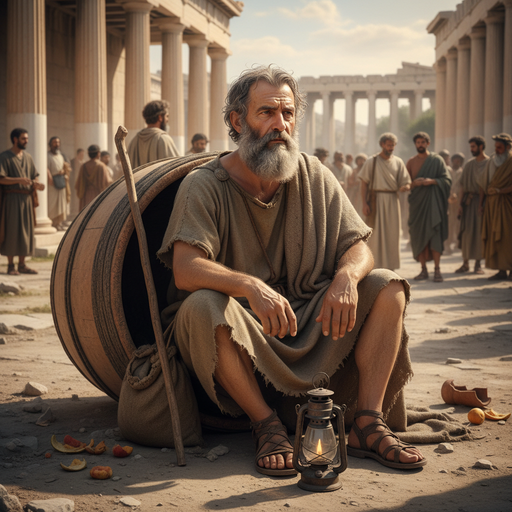
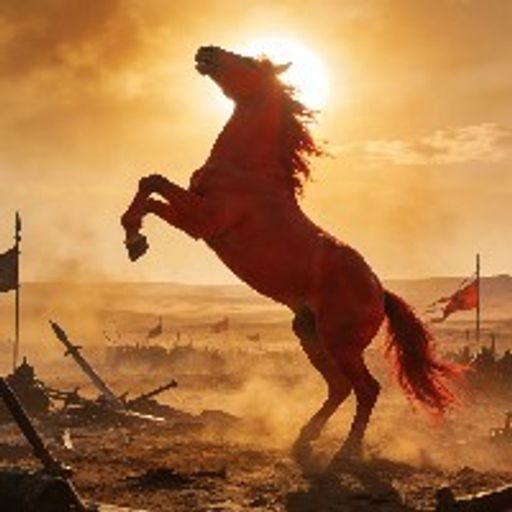
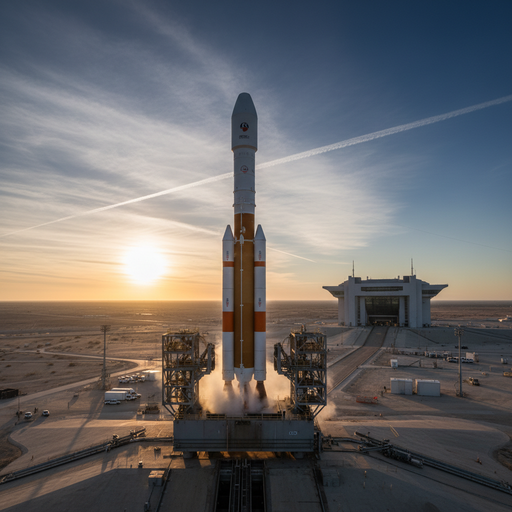
The entire world has entered a high-risk, highly volatile phase, with three main themes unfolding simultaneously:
1. The Middle East is the most tense: the U.S. has issued a 10-day final deadline for Iran's nuclear negotiations, with twin aircraft carriers and stealth fighter jets gathering nearby; Iran is on full alert, deploying anti-ship missiles in the Strait of Hormuz, warning that any attack will result in a blockade of 30% of global oil routes. Russia and Iran are conducting joint military exercises to deter threats, causing oil and gold prices (breaking $5000) to soar, with risk aversion at an all-time high.
2. Stalemate and exhaustion in Russia-Ukraine conflict: the front lines are static, both sides are bombing energy facilities; Ukraine has targeted Russian refineries, reducing processing capacity by 19%; Russia has shot down 323 Ukrainian drones in a single day. The EU has intensified sanctions, Russia has responded with countermeasures, further pressuring European energy and inflation.
3. Europe’s security is tightening: Poland has withdrawn from the Ottawa Treaty banning landmines, Eastern Europe is ramping up military preparations; NATO’s eastern flank is conducting intensive military exercises, reshaping the security landscape.
Global multipolarization is accelerating, with conflicts and negotiations coexisting. Energy and financial markets continue to fluctuate, and the next 10 days will see the Middle East’s trajectory as the biggest variable.