GateUser-2f8abad7

vip
Age 0 Yıl
Peak Tier 0
No content yet
BTC's been on quite the ride! We saw a peak around $68,370 during the Asian morning hours (09:00 UTC), then pulled back to consolidate around $66,648 currently. That's roughly a 2.5% swing from peak to trough—pretty standard volatility for our favorite orange coin!
The interesting part? We had a solid bounce from the $65,952 low (at 17:00), showing buyers are still lurking at those dip levels. Classic "buy the dip" energy! 💪
BTC-0,15%
DragonFlyOfficialvip
#PowellDovishRemarksReviveRateCutHopes
🌟 Powell’s Dovish Remarks Revive Rate-Cut Hopes — Full Market Breakdown
by Dragon Fly Official
Jerome Powell’s latest comments have become the strongest signal in weeks that the Federal Reserve may finally be preparing for a shift in policy. His tone was noticeably softer, more open, and clearly positioned toward easing pressures if the data continues to cool. For traders, this wasn’t just a standard speech — it was a direct hint that the era of aggressive tightening may be nearing an end.
The reaction across global markets was immediate. US yields softened, the dollar lost a bit of strength, and risk assets felt a wave of optimism return. But the most powerful response came from crypto, where liquidity expectations always have an amplified effect.
📌 Bitcoin’s Market Reaction
BTC moved smoothly above the $71,000–$72,000 zone, showing that buyers were ready the moment Powell’s remarks suggested a more supportive environment. What makes this move stronger is the behavior of order books — buy-side depth improved, liquidations dropped, and futures funding normalized. All signs that the market is preparing for a more sustainable trend rather than a short-term spike.
As long as Bitcoin holds above $70,500, the trend structure remains healthy. A clean breakout toward $73,000–$74,200 becomes possible if dovish expectations continue building.
📌 Ethereum and Altcoins Follow the Momentum
Ethereum also benefited, reclaiming $3,700+, supported by rising activity and stronger flows. What stands out is the stabilization in ETH volatility, which often happens when macro conditions begin favoring risk assets.
Altcoins showed broader recovery — not explosive, but steady. This usually signals early confidence, where investors begin positioning slowly rather than aggressively. It is the kind of environment where strong assets outperform and weak ones disappear.
📌 Why Powell’s Tone Matters So Much
A dovish Fed does more than just talk about rate cuts. It changes how capital flows into the market. Lower yields reduce pressure on liquidity, and this pushes investors toward higher-growth sectors — crypto being one of the biggest beneficiaries.
This is why Powell’s few lines today have had such a large impact. The market was waiting for clarity, and he delivered it through tone, not actions. Tone often moves markets faster than policy.
📌 Market Outlook From Here
If inflation continues to cool and economic softness increases, the Fed will face growing pressure to reduce rates. Even a small cut can spark a strong risk-on rally across digital assets, especially in Bitcoin, ETH, and selected high-liquidity altcoins.
I’m focusing on:
– BTC holding $70,500 support
– Volume expansion above $72,300
– ETH stability above $3,650
– Reaction of mid-cap market leaders
Right now, the structure looks supportive, and Powell’s comments have given traders exactly what they needed — a fresh spark of confidence.
Crypto doesn’t wait for confirmation. It reacts first, prices in expectations early, and moves fast when the macro window opens. Today’s reaction proves that the window is opening again.
#PowellDovishRemarksReviveRateCutHopes

repost-content-media
  • Reward
  • Comment
  • Repost
  • Share
BTC's been on quite the ride! We saw a peak around $68,370 during the Asian morning hours (09:00 UTC), then pulled back to consolidate around $66,648 currently. That's roughly a 2.5% swing from peak to trough—pretty standard volatility for our favorite orange coin!
The interesting part? We had a solid bounce from the $65,952 low (at 17:00), showing buyers are still lurking at those dip levels. Classic "buy the dip" energy! 💪
BTC-0,15%
  • Reward
  • Comment
  • Repost
  • Share
BTC's been on quite the ride! We saw a peak around $68,370 during the Asian morning hours (09:00 UTC), then pulled back to consolidate around $66,648 currently. That's roughly a 2.5% swing from peak to trough—pretty standard volatility for our favorite orange coin!
The interesting part? We had a solid bounce from the $65,952 low (at 17:00), showing buyers are still lurking at those dip levels. Classic "buy the dip" energy! 💪
BTC-0,15%
  • Reward
  • Comment
  • Repost
  • Share
  • Reward
  • Comment
  • Repost
  • Share
deep dive
neesa04vip
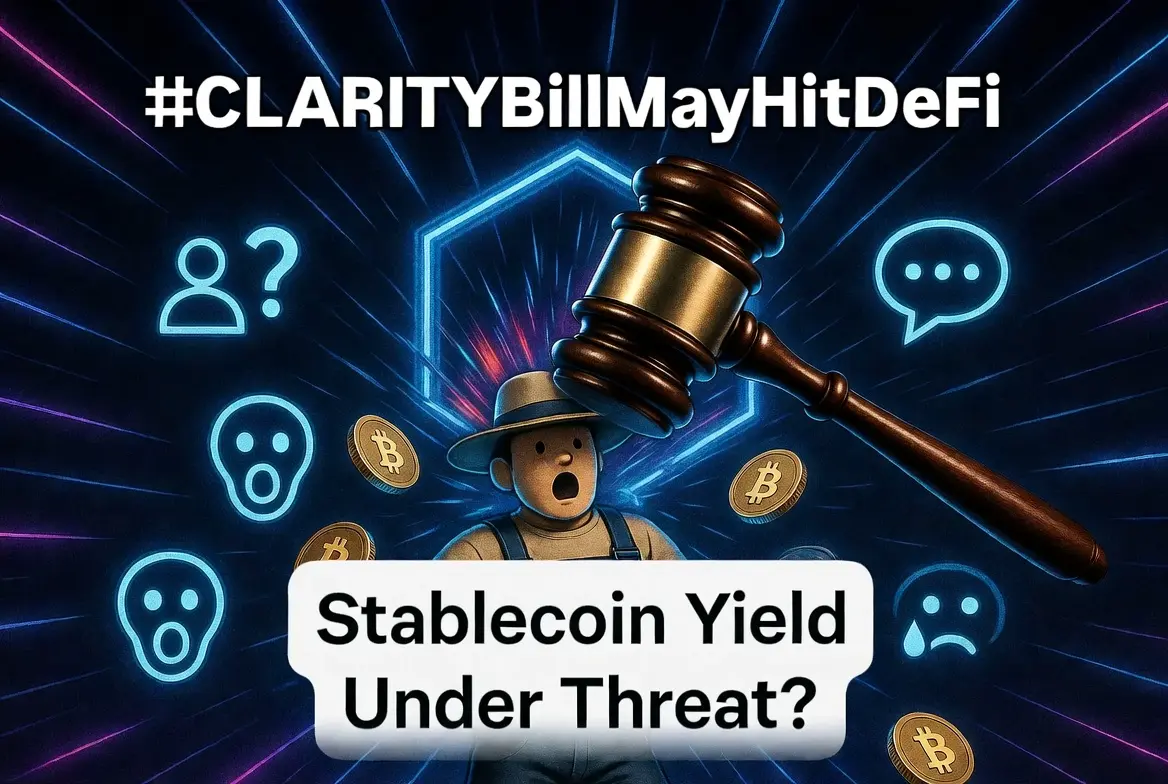
🚨 #CLARITYBillMayHitDeFi – A Deep Dive into the U.S. Digital Asset Market Clarity Act of 2025 and Its Potential Ripple Effects on Decentralized Finance
The crypto world has been buzzing about the Digital Asset Market Clarity Act of 2025 (CLARITY Act – H.R. 3633) for months. Passed by the U.S. House of Representatives in July 2025 with strong bipartisan support (294-134 vote), this 278+ page bill aims to finally bring regulatory clarity to digital assets by dividing oversight between the SEC (for securities-like assets) and the CFTC (for decentralized commodities like Bitcoin or mature network tokens).
It defines clear pathways for tokens to transition from "investment contracts" (securities) to "digital commodities" as blockchain systems become sufficiently decentralized. It also sets rules for exchanges, brokers, dealers, custodians, stablecoins, and more — while including anti-CBDC provisions to protect against government surveillance overreach.
But the hashtag #CLARITYBillMayHitDeFi is trending for a reason. While the House version offers meaningful protections for true decentralization, ongoing Senate negotiations, amendments, and committee markups (as of March 2026, the bill is still stalled in the Senate Banking and Agriculture Committees with no firm new markup date) have many in the DeFi community worried that the final version could impose heavier burdens on decentralized protocols, developers, and users.
Why the CLARITY Act Matters for the Entire Crypto Ecosystem
For years, the U.S. lacked a clear framework. The SEC treated most tokens as unregistered securities under the Howey Test, leading to enforcement actions that chilled innovation. The CLARITY Act tries to fix this by:
Creating a functional test for when a blockchain system becomes "mature" (decentralized enough that its native token is no longer a security).
Allowing secondary market trading of previously sold tokens as commodities once decentralization thresholds are met.
Establishing registration pathways for digital commodity brokers, dealers, and exchanges under the CFTC — with provisional and expedited options.
Addressing stablecoins (building on the separate GENIUS Act) and preventing illicit finance while promoting on-shore innovation.
The goal? Position the U.S. as the "crypto capital of the world" by balancing investor protection, national security, and responsible innovation.
The DeFi-Specific Provisions: Safe Harbors vs. Potential Pain Points
This is where the debate gets intense. The House bill includes Section 309 (and related sections like 409) — an explicit "Exclusion for decentralized finance activities."
Key protections in the bill:
Non-custodial activities are carved out: Compiling/validating blockchain transactions (running nodes), providing computational power, offering user interfaces or front-ends, developing trading protocols/software/wallets — as long as you do not control customer funds — are generally exempt from full broker/dealer/money transmitter registration.
Focus on control, not code: Regulators target entities that exercise significant control over user assets or governance. Pure open-source developers and peer-to-peer systems get lighter treatment or full exclusions.
Software developer protections: Inspired by the Blockchain Regulatory Certainty Act, non-custodial devs are shielded from being treated as financial institutions under the Bank Secrecy Act in many cases.
Responsible DeFi Title: Senate drafts have discussed a "Title III on Responsible Innovation in Decentralized Finance," directing agencies to clarify registration triggers based on actual control rather than blanket rules.
In theory, this should be pro-DeFi: Protocols like Uniswap, Aave, Curve, or Compound — once sufficiently decentralized — could benefit from lighter oversight, while centralized front-ends or intermediaries interacting with them would face tailored risk management, cybersecurity, and compliance standards.
Why Critics Say "#CLARITYBillMayHitDeFi"
Despite the carve-outs, concerns persist:
Compliance Costs for "Decentralization" Proof: Even with exemptions, protocols may need audits, certifications, or disclosures to prove they qualify for safe harbors. Smaller teams or early-stage projects could struggle with legal/audit expenses.
Ambiguity Around "Control": What counts as "significant control"? Governance tokens, DAOs, or front-end operators might still face scrutiny. Senate amendments could tighten definitions, potentially capturing more DeFi activities.
Intermediaries and Front-Ends: Centralized interfaces or platforms that route trades to DeFi protocols must implement stronger standards. This could raise barriers or force some U.S.-facing DeFi tools to geo-block or decentralize further.
Anti-Illicit Finance Rules: Everyone (even exempt devs) remains subject to anti-fraud, anti-manipulation, and sanctions compliance. Bad actors using DeFi for laundering could still lead to broader enforcement pressure on protocols.
Stablecoin and Yield Overlap: Ongoing fights over stablecoin rewards/yield (banning passive yield in some drafts) indirectly affect DeFi lending/borrowing markets that rely on stablecoins.
State vs. Federal Tension: Some worry the bill could preempt or weaken state-level innovation while not fully resolving federal overlaps.
Industry voices (including some from Coinbase and others) have withdrawn or conditioned support at times, citing DeFi language. Ex-SEC officials and traditional finance groups have warned of risks like weakened investor protections potentially enabling fraud.
On the flip side, Senate fact sheets emphasize: "The CLARITY Act protects software developers while promoting responsible DeFi innovation" by focusing regulation on control rather than code.
Potential Impacts if the Bill Passes (or Fails)
Positive for Mature DeFi: Established protocols could thrive with legal certainty, attracting institutional capital and U.S. builders.
Challenges for Innovation: Higher hurdles might push smaller DeFi projects offshore or slow experimentation. However, SEC guidance in 2026 (including potential safe harbors for startups and mature networks) could complement the bill.
Market Reaction: Clarity generally boosts confidence and prices long-term, but uncertainty during negotiations causes volatility (as seen with stablecoin-related dips).
Global Ripple: U.S. rules often set precedents. A "hit" to DeFi could influence other jurisdictions; strong protections could keep talent and capital in America.
As of late March 2026, the bill remains in limbo — stalled over stablecoin yield disputes, DeFi liability lines, and political horse-trading. Senate Ag Committee has advanced pieces, but full markup and floor vote are pending. Negotiations continue "in good faith," with some reports of tentative agreements on key sticking points.
Bottom Line for the Crypto Community
The CLARITY Act is not perfect, and the "#CLARITYBillMayHitDeFi" fears highlight real risks around over-regulation of permissionless innovation. But it also represents the most comprehensive attempt yet to move beyond enforcement-by-litigation toward clear rules.
DeFi's core strength — censorship resistance, transparency, and user sovereignty — must be preserved. True decentralization (no single entity controlling funds or keys) should be rewarded with lighter touch.
What do you think? Will the final bill empower or constrain DeFi? Should devs prioritize full on-chain decentralization now? Is this the regulatory clarity we've waited for, or does it risk another wave of compliance burdens?
Drop your thoughts below 👇
#CryptoRegulation #DeFi #CLARITYAct
repost-content-media
  • Reward
  • Comment
  • Repost
  • Share
  • Reward
  • Comment
  • Repost
  • Share
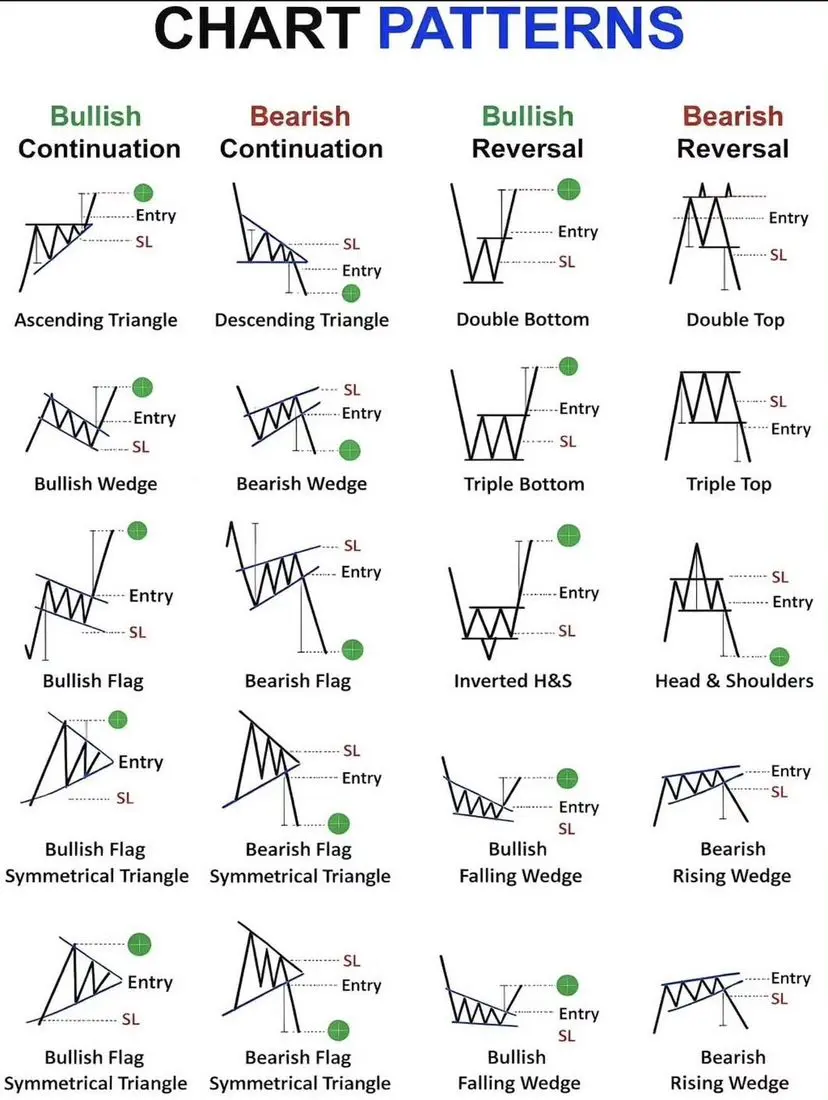
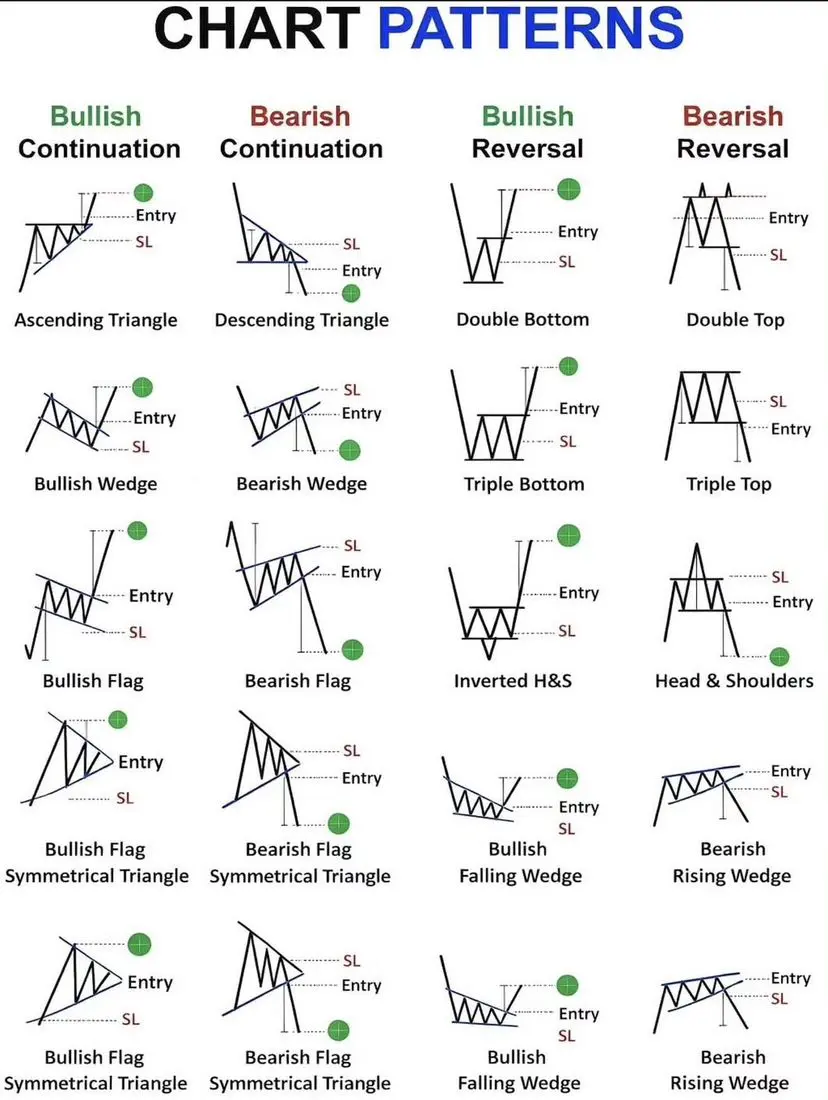
what will be the outcome of btc today 📈or 📉
BTC-0,15%
  • Reward
  • Comment
  • Repost
  • Share
  • Reward
  • Comment
  • Repost
  • Share
  • Pin